

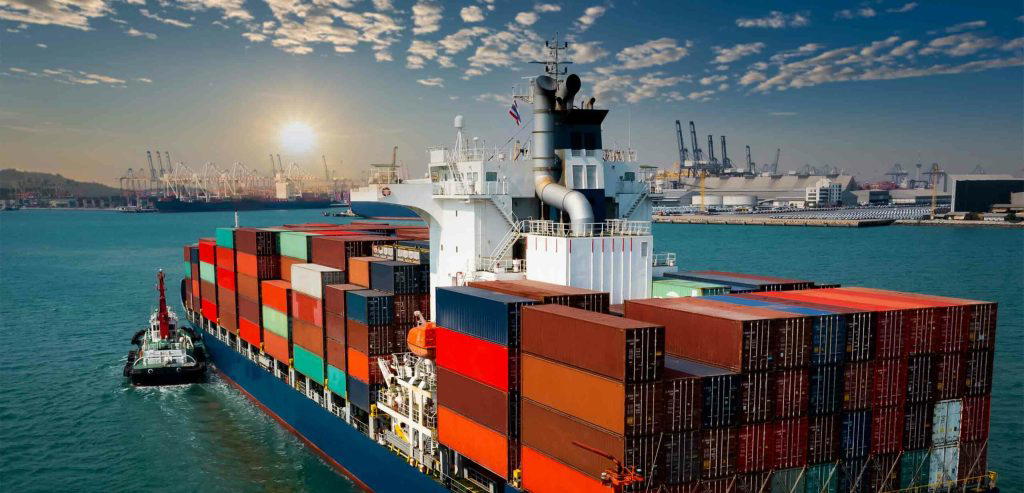

Nigerian manufacturers sell below cost to clear N2 trillion in unsold goods
Translated from English, summarized and contextualized by DistantNews.
At a glance
News
Named sources
Context piece
- Nigerian manufacturers are selling goods below production cost to clear nearly N2 trillion ($1.3 billion) in unsold inventory, facing severe cost pressures and weak consumer demand.
- The Manufacturers Association of Nigeria (MAN) reports that modest sales volume improvements are driven by aggressive price cuts and reduced profit margins, not increased purchasing power.
- Manufacturers grapple with high production costs, borrowing rates around 30-35%, foreign exchange volatility, poor infrastructure, and insecurity, hindering competitiveness and local sourcing efforts.
Nigerian manufacturers are resorting to selling products below their production cost to offload an estimated N2 trillion ($1.3 billion) in unsold inventory. This desperate measure highlights the intense cost pressures and significantly weak consumer demand plaguing the country's industrial sector.
Findings from the Manufacturers Association of Nigeria (MAN) indicate that while some manufacturers have seen modest improvements in sales volumes, these gains are primarily the result of steep price reductions and thinner profit margins. This trend underscores a lack of genuine recovery in consumer purchasing power. "What has happened is that manufacturers have continued to sell more, not because demand has improved, but because they have taken a hit by lowering prices in order to sell more," explained Segun Ajayi-Kadir, MAN's Director General.
The substantial volume of unplanned inventory has forced many firms to dispose of finished goods at prices well below optimal profitability, and in some cases, even below the cost of production. This situation is compounded by a challenging operating environment characterized by soaring production costs, high borrowing expenses, foreign exchange instability, inadequate infrastructure, pervasive insecurity, and persistent logistics issues.
Ajayi-Kadir noted that manufacturers are attempting to mitigate these challenges by increasing local sourcing of raw materials and investing in value addition. However, high foreign exchange costs and import-duty benchmark pricing continue to erode the competitiveness of locally manufactured goods, limiting Nigeria's potential within the African Continental Free Trade Area (AfCFTA). He stressed that enhanced incentives, more accessible financing, and efficient logistics are crucial for Nigerian manufacturers to compete effectively across African markets. The current monetary policy rate of around 26% has pushed commercial bank lending rates to between 30% and 35%, making borrowing commercially unviable for most manufacturers.
What has happened is that manufacturers have continued to sell more, not because demand has improved, but because they have taken a hit by lowering prices in order to sell more.
DistantNews Editorial
Originally published by Vanguard in English. Translated, summarized, and contextualized by our editorial team with added local perspective. Read our editorial standards.
More Stories


From Our Blog

How the Same Story Looks Different in Different Countries

What Gets Lost (and Found) When News Is Translated

The Critical Role of Diaspora Media in Global News

What Travellers Should Know About Countries with Restricted Press

A Digital Nomad's Guide to Following Local News
