


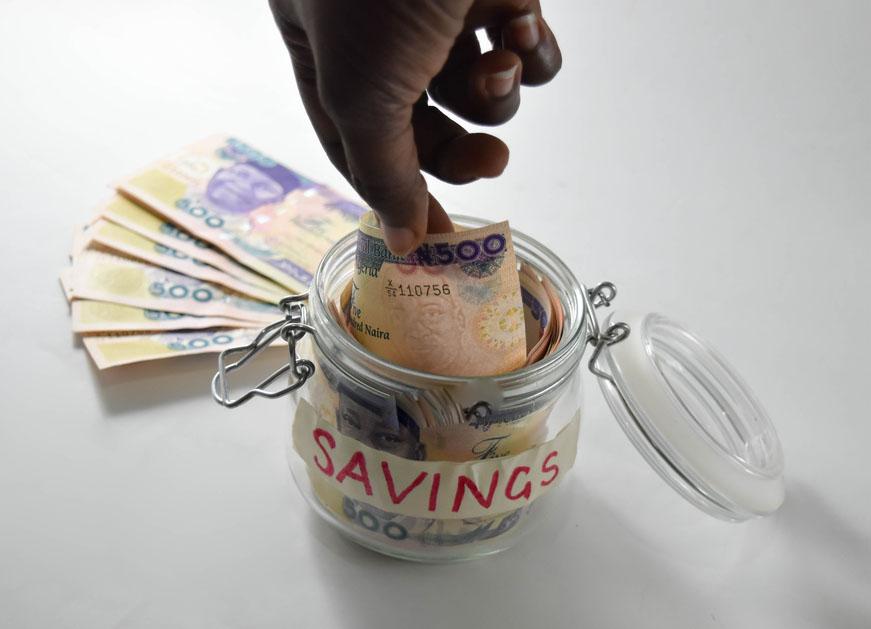
Nigerian Private Sector Rejects Proposed 3% Pension Hike, Warns of Job Losses
Translated from English, summarized and contextualized by DistantNews.
At a glance
News
Named sources
New plan
- Nigeria's Organized Private Sector (OPSN) rejects the government's proposed 3% increase in mandatory pension contributions.
- The OPSN warns the hike could lead to job losses, business closures, slower wage growth, and higher inflation.
- The group argues Nigeria's current 18% pension contribution rate is comparable to OECD averages and lacks justification for an increase.
Nigeria's private sector has strongly rejected a proposed 3% increase in mandatory pension contributions, warning it could severely harm businesses and the economy. The Organized Private Sector of Nigeria (OPSN), an umbrella body representing manufacturers, chambers of commerce, and small and medium enterprises, called the proposal a "Greek gift" that could trigger job losses, business closures, slower wage growth, and higher inflation.
The OPSN supports efforts aimed at strengthening Nigeria’s pension system and improving retirement outcomes for workers. However, announcing that contribution rates will increase while consultations are still ongoing risks prejudging the outcome of the process and reducing subsequent stakeholder engagements to a mere formality.
The National Pension Commission (PenCom) announced the proposed increase on July 21, 2026, suggesting amendments to the Pension Reform Act. However, the OPSN criticized the timing and process, arguing that announcing contribution rate hikes while consultations are ongoing prejudges the outcome. NECA Director-General Adewale-Smatt Oyerinde stated that any review must be preceded by extensive consultations and backed by credible actuarial, economic, and employment-impact assessments.
Retirement security should not be pursued in a manner that threatens the businesses and jobs upon which the pension system itself depends.
The OPSN maintains that Nigeria's current mandatory pension contribution rate of 18% (10% employer, 8% employee) is already comparable to the OECD average of 18.8%. Manufacturers Association of Nigeria Director-General Segun Ajayi-Kadir highlighted that businesses are already struggling with high energy costs, interest rates, exchange-rate volatility, multiple taxes, and weak consumer demand, making an additional burden untenable.
Businesses are already contending with high energy costs, elevated interest rates, exchange-rate volatility, multiple taxes and weak consumer demand.
DistantNews Editorial
Originally published by Vanguard in English. Translated, summarized, and contextualized by our editorial team with added local perspective. Read our editorial standards.
More Stories


From Our Blog

How the Same Story Looks Different in Different Countries

What Gets Lost (and Found) When News Is Translated

The Critical Role of Diaspora Media in Global News

What Travellers Should Know About Countries with Restricted Press

A Digital Nomad's Guide to Following Local News
