


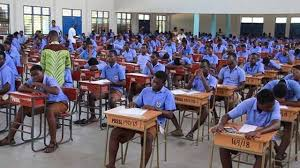
Nigerian PTAs reject planned privatization of Unity Colleges
Translated from English, summarized and contextualized by DistantNews.
At a glance
News
Sources not specified
Context piece
- Parents-Teachers Associations (PTAs) of Nigeria's Federal Unity Colleges reject the government's plan to privatize or concession the schools.
- The PTAs argue that privatization threatens affordable quality education, national integration, and the future of millions of Nigerian children.
- They urge the government to suspend the move and instead increase investment in infrastructure, facilities, teachers, and security.
Parents-Teachers Associations (PTAs) representing Federal Unity Colleges across Nigeria have strongly opposed the Federal Government's proposed privatization or concession of these national institutions. The PTAs view the plan as a significant threat to accessible, quality education, national unity, and the prospects of countless Nigerian children.
We have followed with keen interest the recent reports regarding the proposed concession of King’s College, Lagos, and the concerns expressed by the Association of Senior Civil Servants of Nigeria (ASCSN).
In a statement issued by the South-West Zonal Coordinator, Mr. Somefun Ayopo, the PTAs urged the government to abandon any plans for selling or conceding the schools. They specifically aligned with the concerns raised by the Association of Senior Civil Servants of Nigeria (ASCSN) regarding the proposed concession of King's College, Lagos, calling for an immediate suspension of any policy that could lead to the privatization of Federal Unity Schools.
After careful consideration, we fully align ourselves with the position of the ASCSN and call on the Federal Government to immediately suspend any policy that may lead to the privatisation of Federal Unity Schools.
The association highlighted that Unity Schools were established over five decades ago to foster national integration by bringing together students from diverse ethnic, religious, and socioeconomic backgrounds. These institutions have a proven track record of producing distinguished leaders across various sectors, including government, business, and academia. The PTAs warned that privatization would inevitably lead to exorbitant school fees, making quality education unattainable for children from low- and middle-income families, disproportionately affecting the children of civil servants, farmers, artisans, and traders.
Privatising these schools will inevitably result in exorbitant school fees, placing quality education beyond the reach of ordinary Nigerians. The children of civil servants, farmers, artisans, traders and other low- and middle-income families will be the greatest victims.
Furthermore, the PTAs expressed concern over potential job losses or unfavorable employment conditions for long-serving teaching and non-teaching staff. They cautioned that commercial interests could overshadow the core educational values these schools were founded upon, emphasizing that "These schools are national assets and must never become profit-making ventures." Instead of privatization, the PTAs advocate for increased government investment in the education sector, including rehabilitation of infrastructure, improvement of learning facilities, recruitment of qualified teachers, enhanced security, and better staff welfare. They also called for continued support from alumni associations, corporate organizations, and development partners.
These schools are national assets and must never become profit-making ventures.
DistantNews Editorial
Originally published by Vanguard in English. Translated, summarized, and contextualized by our editorial team with added local perspective. Read our editorial standards.
More Stories


From Our Blog

How the Same Story Looks Different in Different Countries

What Gets Lost (and Found) When News Is Translated

The Critical Role of Diaspora Media in Global News

What Travellers Should Know About Countries with Restricted Press

A Digital Nomad's Guide to Following Local News
