

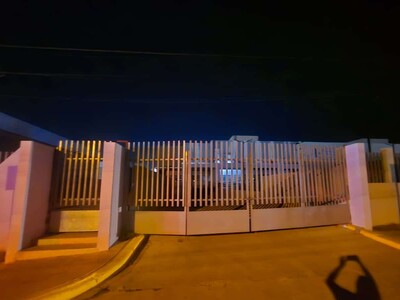
Nine-hour power outage paralyzes Ramón Matías Mella Hospital
Translated from Spanish, summarized and contextualized by DistantNews.
At a glance
News
Sources not specified
Context piece
- For years, the directors of the National Police were the primary voice of the institution to the public, responding to media on operations and internal decisions.
- This dynamic shifted under President Luis Abinader's administration, with directors reducing public exposure after controversies, and the focus moving to the Minister of Interior and Police and the Director of Strategic Communications.
- This change makes journalists' work more difficult, as questions about police actions are often answered by officials outside the police hierarchy.
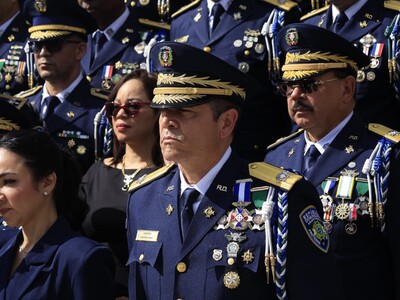
For years, the directors of the National Police served as the institution's main public face, addressing media inquiries on everything from operations to internal matters. This established dynamic has significantly altered under President Luis Abinader's administration.
One comes early looking for a consultation and finds that there is no electricity and work is not proceeding normally. It is worrying, because sick people who need attention arrive here.
The shift began during the tenure of Major General Edward Sánchez González, who initially maintained a frequent press presence. However, following several controversies, both he and then-Minister of Interior and Police Jesús Vásquez Martínez began to limit their public exposure. This trend continued with Major General Eduardo Alberto Then, who faced criticism for remarks about single mothers applying to the police and subsequently avoided the media.
Ramón Antonio Guzmán Peralta, appointed in November 2023, struggled to articulate clear statements, often appearing hesitant and difficult for journalists to work with. During this period, President Abinader, the Vice President, or the Minister of the Presidency frequently took the lead on security policy, leaving police leadership in the background.
There is a lack of everything here. There are doctors, cleaning staff, and other services missing. All this is happening and no one is taking responsibility.
Faride Raful, Vásquez Martínez's successor as Minister of Interior and Police, adopted a brief and official response style, with Guzmán Peralta often deferring to her. The primary voice for the police became Colonel Diego Pesqueira, Director of Strategic Communications, who provides statements based on police reports and investigative jargon. This strategy persists under the current director, Andrés Modesto Cruz Cruz, who has made few public appearances. The reduced direct communication from police leadership complicates journalists' ability to get answers on specific police actions and operational decisions.
We are helpless. We have no senator, governor, or deputies here to face this situation. This border has been ruined.
DistantNews Editorial
Originally published by Diario Libre in Spanish. Translated, summarized, and contextualized by our editorial team with added local perspective. Read our editorial standards.
More Stories

From Our Blog

What Gets Lost (and Found) When News Is Translated

The Critical Role of Diaspora Media in Global News

What Travellers Should Know About Countries with Restricted Press

A Digital Nomad's Guide to Following Local News

How the Same Story Looks Different in Different Countries
