


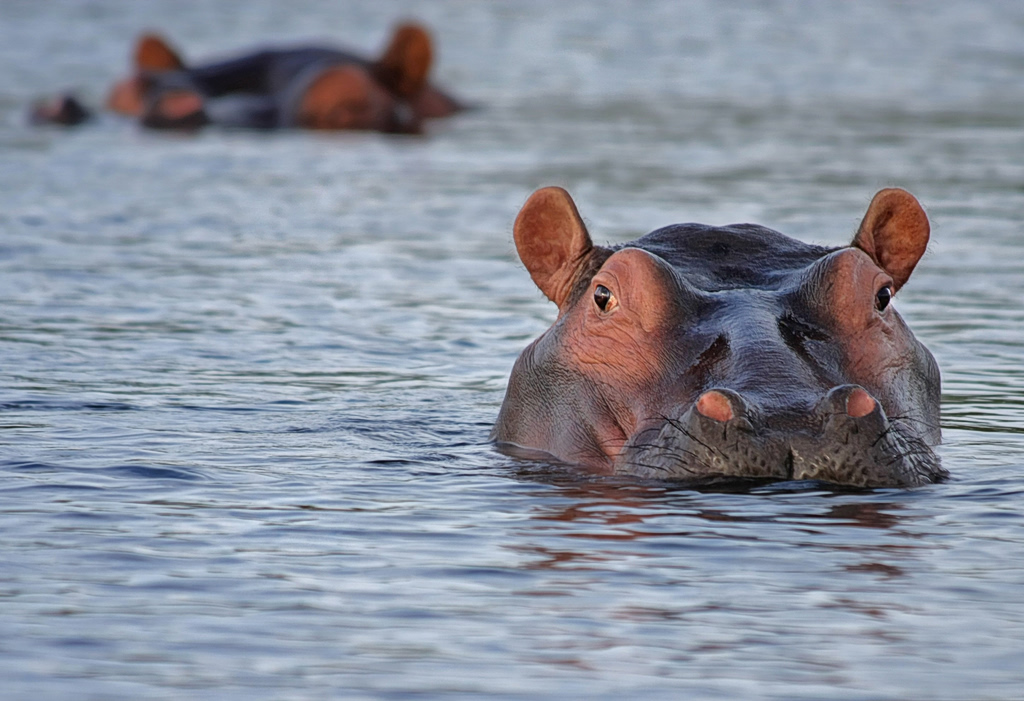
No one wants Pablo Escobar's 'narco-hippos': They are to be euthanized – Reactions from organizations
Translated from Greek, summarized and contextualized by DistantNews.
TLDR
- Colombia's government has approved a plan to euthanize at least 80 hippos descended from Pablo Escobar's illegally imported animals.
- Previous control measures like sterilization and relocation proved too costly and ineffective to manage the growing population.
- Animal welfare groups have protested the decision, warning it sets a negative precedent, while authorities cite threats to residents and local wildlife.
The Colombian government's decision to approve the euthanasia of at least 80 hippos, descendants of Pablo Escobar's infamous private zoo animals, marks a drastic step in addressing an ecological and public safety crisis. These 'narco-hippos,' as they've become known, have proliferated unchecked since escaping Escobar's Hacienda Napoles after his death in 1993.
Environment Minister Irene Vélez stated that previous attempts at population control, including sterilization and relocation to zoos, have been prohibitively expensive and largely ineffective. With the hippo population estimated at around 170 individuals and expanding their range significantly, the government argues that euthanasia is now a necessary measure to protect local ecosystems and human inhabitants. Hippos, weighing over four tons, pose a significant threat as they compete with native wildlife for resources and can be dangerous to humans.
If we do not proceed with this measure, we will not be able to control the population and protect our ecosystems.
However, the plan has ignited fierce opposition from animal welfare organizations. They argue that euthanizing the animals is a cruel act and sets a dangerous precedent for wildlife management in the country. Similar proposals in the past have faced public outcry and been suspended. Scientists also note that returning the hippos to Africa is not feasible due to their limited genetic diversity, which could lead to health issues in a new environment.
From a Colombian perspective, this issue is uniquely complex. It's a story intertwined with the dark legacy of Pablo Escobar, a figure whose actions continue to cast a long shadow. While international media might focus on the sensational aspect of 'Escobar's hippos,' for us, it's a pressing environmental and social challenge. The debate highlights the difficult choices governments face when invasive species, introduced through illicit means, threaten biodiversity and public safety. The tension between conservation, public welfare, and ethical considerations is palpable, and the government's decision, though controversial, reflects a pragmatic, albeit difficult, approach to a problem that has grown far beyond its origins.
Calmly I ask: mom edition
DistantNews Editorial
Originally published by Ta Nea in Greek. Translated, summarized, and contextualized by our editorial team with added local perspective. Read our editorial standards.
More Stories



From Our Blog

What Gets Lost (and Found) When News Is Translated

The Critical Role of Diaspora Media in Global News

What Travellers Should Know About Countries with Restricted Press

A Digital Nomad's Guide to Following Local News

How the Same Story Looks Different in Different Countries
