


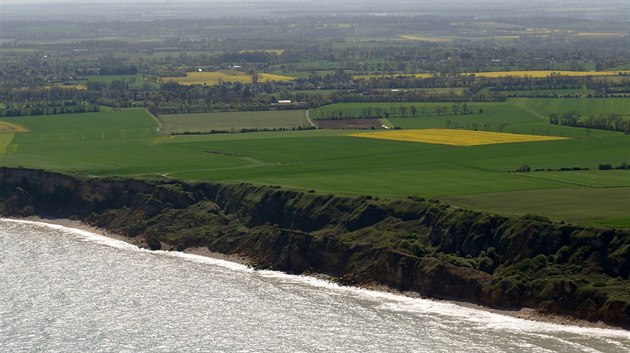
Normandy beaches, Mount Olympus, ancient Japanese cities added to UNESCO World Heritage List
Translated from Czech, summarized and contextualized by DistantNews.
At a glance
News
Sources not specified
Outcome reported
- UNESCO inscribed new sites on its World Heritage List, including the beaches of Normandy, Mount Olympus in Greece, and ancient Japanese cities.
- The inscription of the Normandy beaches, significant for the D-Day landings on June 6, 1944, is the result of approximately 20 years of effort.
- Other newly added sites include the Greek mythological home of the gods, Mount Olympus, and the ancient Japanese cities of Asuka and Fujiwara.
The beaches of Normandy, where Allied forces landed on June 6, 1944, have been added to the UNESCO World Heritage List. This significant designation is the culmination of nearly two decades of dedicated effort.
Joining the historic French coastline are other notable sites recognized for their cultural and natural importance. Among them is Mount Olympus, the legendary home of the gods in Greek mythology. Also inscribed are the ancient Japanese cities of Asuka and Fujiwara, further enriching the global tapestry of heritage.
The inclusion of these sites highlights their unique value and underscores the importance of preserving them for future generations. The UNESCO World Heritage List celebrates places of outstanding universal value, ensuring their protection and promoting international cooperation in cultural preservation.
DistantNews Editorial
Originally published by iDNES in Czech. Translated, summarized, and contextualized by our editorial team with added local perspective. Read our editorial standards.
More Stories


From Our Blog

What Gets Lost (and Found) When News Is Translated

The Critical Role of Diaspora Media in Global News

What Travellers Should Know About Countries with Restricted Press

A Digital Nomad's Guide to Following Local News

How the Same Story Looks Different in Different Countries
