


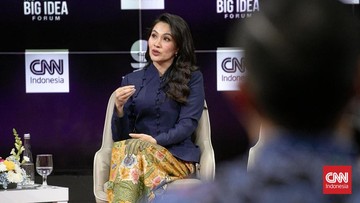
North Maluku Governor Champions Women's Empowerment and Free Education for Future Leaders
Translated from Indonesian, summarized and contextualized by DistantNews.
TLDR
- North Maluku Governor Sherly Tjoanda is implementing initiatives focused on empowering women and improving the future of the region's children, emphasizing the transformative role of mothers.
- Tjoanda has introduced concrete policies, such as free education from junior high to high school, to address financial barriers preventing students from continuing their studies.
- The governor believes that empowering women is key to saving a generation, enabling them not just to survive but to drive change and break cycles of problems.
Governor Sherly Tjoanda of North Maluku is making significant strides in her mission to reshape the future of her province, with a particular focus on empowering women and nurturing the next generation. Her leadership, marked by a strong emphasis on the foundational role of mothers, is introducing concrete changes aimed at breaking cycles of poverty and limited opportunity.
If a woman is empowered, healthy, and strong, then one generation is saved. So with today's theme, the Power of Women, it means women have power and strength. Not just to ensure life, in the sense of not just surviving, but to nurture change and lead change, meaning the interventions made can break the chain of problems and not just survive.
Tjoanda's core philosophy, deeply rooted in the belief that empowered women are essential for generational progress, drives her policy decisions. She articulates that women possess a unique 'power' not merely to endure but to actively cultivate and lead change. This perspective is vividly illustrated through her administration's commitment to addressing critical issues, such as the financial barriers that prevent many young people from pursuing higher education.
In my administration as the first female governor in North Maluku, for example, we made policies for many high school students, from junior high to high school, many could not continue to high school because of costs. After that, we made it free from junior high to high school, private, public, in North Maluku, and the numbers show that after one year, from 12,000 children who could not continue to high school, now there are only 6,000. That is one example.
A flagship initiative under Tjoanda's governorship is the implementation of free education from junior high to high school, encompassing both public and private institutions across North Maluku. This policy directly tackles the prohibitive costs that previously halted many students' academic journeys. The governor highlighted that within a year of this program's launch, the number of students unable to continue to high school has significantly decreased, demonstrating the immediate impact of this intervention.
Allowing children to attend school for free is only until the nurturing stage, but producing change happens when they go to school, become smart, have dreams of becoming leaders, come out with skills, and improve their family's economy; for me, that is change.
As the first female governor of North Maluku, Sherly Tjoanda's approach, as reported by CNN Indonesia, offers a compelling narrative of progress and hope. Her focus on 'caring for change' through education and female empowerment resonates deeply within the local context. While international coverage might focus on economic indicators, our perspective emphasizes the profound social transformation underway. Tjoanda's vision extends beyond mere survival; she aims to cultivate a generation of skilled, ambitious leaders who can uplift their families and communities, thereby creating a sustainable ripple effect of positive change. This focus on the holistic development of human capital, driven by the strength of women, is what makes her initiatives particularly noteworthy from a regional standpoint.
For example, a mother's role in bringing about change is nurturing, but feeding a child to grow healthy and smart is nurturing for change.
DistantNews Editorial
Originally published by CNN Indonesia in Indonesian. Translated, summarized, and contextualized by our editorial team with added local perspective. Read our editorial standards.
More Stories


From Our Blog

What Gets Lost (and Found) When News Is Translated

The Critical Role of Diaspora Media in Global News

What Travellers Should Know About Countries with Restricted Press

A Digital Nomad's Guide to Following Local News

How the Same Story Looks Different in Different Countries
