

Norway Faces Declining Oil and Gas Reserves; Production May Plummet After 2030
Translated from Polish, summarized and contextualized by DistantNews.
At a glance
News
Official statement
Context piece
- Norway faces a potential sharp decline in oil and gas production after 2030 due to dwindling new reserves.
- Even optimistic scenarios predict a one-third drop in production by 2050 compared to current levels.
- This decline poses a threat to Norway's budget and Europe's energy security, as Norway is a key gas supplier.
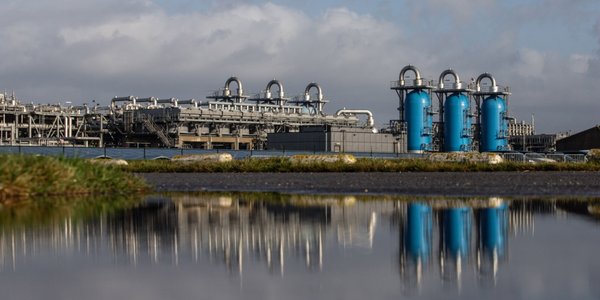
Norway, a critical energy supplier for Europe, is confronting a looming challenge: a potential sharp decline in its oil and gas production after 2030. The Norwegian Petroleum Directorate warns that even under the most optimistic scenarios, production in 2050 could be one-third lower than today's levels. In a more pessimistic outlook, output could plummet dramatically.
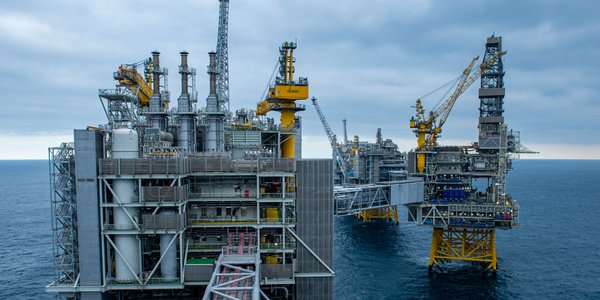
The core issue is that Norway is currently extracting more oil and gas than it is discovering in new reserves. While production is expected to remain stable for a few more years, the depletion of major fields like Troll and Johan Sverdrup after 2026, coupled with the small scale of recent discoveries, means these new finds are insufficient to replace current output. Approximately 7 billion standard cubic meters of oil equivalent remain on the Norwegian shelf, with about half yet to be discovered.
To mitigate this decline, the Directorate suggests three strategies: intensifying exploration for new fields, accelerating the development of over 90 already discovered but undeveloped fields, and increasing extraction from existing fields. However, many undeveloped fields are small and would require connection to existing infrastructure, presenting logistical and economic hurdles.
The consequences of reduced production extend beyond Norway's borders. Lower output will mean diminished state revenues, job losses, and a significant impact on Europe's energy security. Norway's role as the largest gas supplier to the European Union, especially after Russia's full-scale invasion of Ukraine in 2022, makes this potential decline a matter of considerable concern for the continent's energy stability.
Decisions made today will determine how the Norwegian shelf develops in the coming decades. Discoveries in recent years are too small to replace production from existing fields.
DistantNews Editorial
Originally published by Rzeczpospolita in Polish. Translated, summarized, and contextualized by our editorial team with added local perspective. Read our editorial standards.
More Stories

From Our Blog

What Gets Lost (and Found) When News Is Translated

The Critical Role of Diaspora Media in Global News

What Travellers Should Know About Countries with Restricted Press

A Digital Nomad's Guide to Following Local News

How the Same Story Looks Different in Different Countries
