

Poland prepares funding for Gdynia's Red Road infrastructure project
Translated from Polish, summarized and contextualized by DistantNews.
At a glance
News
Named sources
New plan
- Poland's Ministry of Infrastructure is preparing funding for the Red Road project in Gdynia, a crucial infrastructure development.
- The project aims to improve road access to the new Outer Port, a deep-water container terminal expected to handle 2.5 million TEU annually.
- Construction of the port's breakwaters has begun, with the port itself slated for completion by 2031, involving an investment exceeding 5 billion PLN.
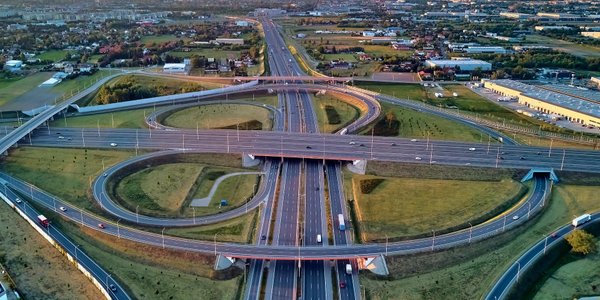
Poland's Ministry of Infrastructure is set to allocate funds for the construction of the Red Road in Gdynia, a significant infrastructure project designed to enhance connectivity to the burgeoning Outer Port. This initiative is part of a larger plan to modernize Gdynia's maritime capabilities and boost its role in international trade.
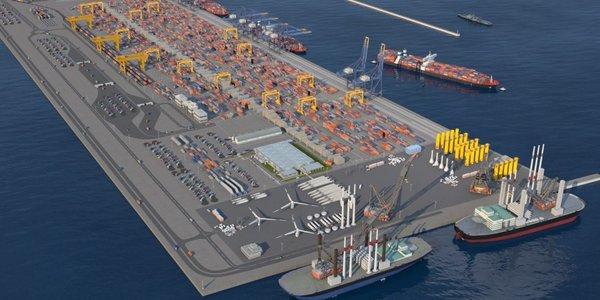
The Outer Port itself is envisioned as a deep-water container terminal with an impressive annual handling capacity of approximately 2.5 million TEU. Located on over 150 hectares of artificial land, it will be capable of accommodating vessels up to 490 meters long and 70 meters wide, with a draft of 16 meters. The total investment for this ambitious project is estimated to exceed 5 billion Polish zloty (PLN). Construction of the port's breakwaters has already commenced, with the first segments being launched, and the overall completion of the Outer Port is targeted for 2031, although the final deadline will depend on the outcome of the ongoing tender process.
The Red Road project, spanning approximately 8.8 kilometers, is divided into three sections. These include the connection from the Gdynia Chylonia interchange to the Kwiatkowskiego interchange, the route from Kwiatkowskiego to the Ofiar Grudnia 70 interchange, and a final segment connecting to the Ferry Terminal. Preparatory work, including environmental impact assessments and communication studies, is underway for these sections.
This development is critical as current infrastructure, such as the Kwiatkowski Viaduct, is strained by the increasing volume of container traffic. In 2025, one-fifth of containers handled by Gdynia's BCT terminal were transported by rail, with the remainder relying on road transport. The new road network aims to streamline this flow and prepare the port for future growth, ensuring it can efficiently handle larger vessels and increased cargo volumes.
DistantNews Editorial
Originally published by Rzeczpospolita in Polish. Translated, summarized, and contextualized by our editorial team with added local perspective. Read our editorial standards.
More Stories

From Our Blog

What Gets Lost (and Found) When News Is Translated

The Critical Role of Diaspora Media in Global News

What Travellers Should Know About Countries with Restricted Press

A Digital Nomad's Guide to Following Local News

How the Same Story Looks Different in Different Countries
