


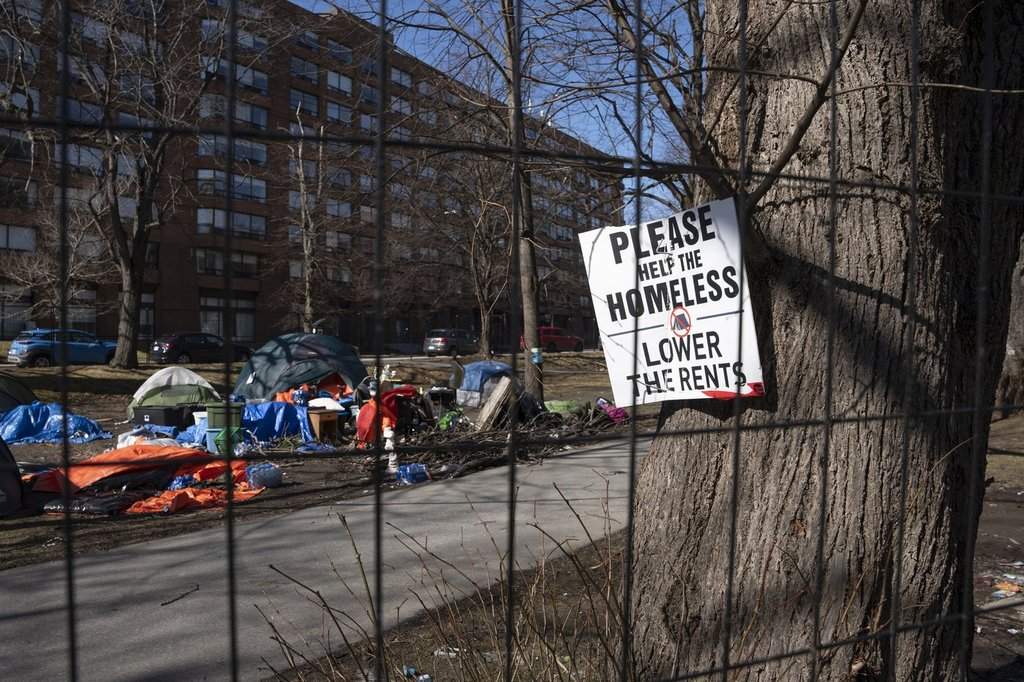
Nova Scotia government changes income assistance rules, excluding tent dwellers
Translated from English and summarized by DistantNews. Read the original for the full story.
At a glance
News
Sources not specified
Context piece
- The Nova Scotia government amended income assistance regulations to disqualify homeless individuals living in tents from receiving enhanced financial support.
- This change follows a court ruling that affirmed the eligibility of tent dwellers for such support, a decision the government has now effectively overturned.
- Critics condemn the policy as cruel, arguing it pushes vulnerable people into deeper poverty, while the government states the amendments provide clearer direction for consistent administration.
The Nova Scotia government has enacted a regulatory change that effectively excludes homeless residents living in tents from accessing enhanced financial support. This move comes shortly after the Nova Scotia Court of Appeal ruled on August 5 that individuals residing in tents were indeed eligible for this increased assistance.
It’s a very cruel policy decision by the province, and I think Nova Scotians will judge them accordingly.
The government's decision directly counters the court's ruling, which had overturned a previous Nova Scotia Supreme Court decision. The initial ruling had denied enhanced income assistance to Bradley Lowe, who lived in a tent. Although Lowe died in late 2023, his family pursued the legal fight, asking his lawyer Vince Calderhead to continue advocating for the cause.
The province could have allowed people living in tents to have a slightly improved standard of living, or they could rewrite the law, pushing people desperately down into desperate poverty, and they chose the second route.
Calderhead criticized the government's policy change as "very cruel." He stated that the province chose to "rewrite the law, pushing people desperately down into desperate poverty" rather than allowing those living in tents a "slightly improved standard of living." The regulatory change was implemented through an order-in-council, filed on the recommendation of Susan Corkum-Greek, the minister of opportunities and social development.
These amendments provide clearer direction on how different living situations are considered when determining eligibility for income assistance rates, so the program can be administered consistently and transparently across the province.
The amended regulations remove the term 'accommodation' and replace it with 'lives in a home.' The prior definition of 'home' has been repealed and replaced with a definition specifying a self-contained rental or owned unit, a room in a lodging house, or a single-occupancy room in a building. A statement from the department indicated that these amendments aim to provide "clearer direction on how different living situations are considered when determining eligibility for income assistance rates," ensuring consistent and transparent administration across the province. The department also asserted that people experiencing homelessness would still be able to access income assistance and other qualifying supports, and that the province continues to invest in services like shelters and supportive housing.
The intent of the program remains to support people experiencing homelessness while helping them move toward safer, more stable housing.
About this summary
Originally published by Global News in English. Translated, summarized, and contextualized automatically by DistantNews, with a note on how the source frames the story. Not individually reviewed before publishing. How this works.
More Stories



From Our Blog

What Gets Lost (and Found) When News Is Translated

The Critical Role of Diaspora Media in Global News

What Travellers Should Know About Countries with Restricted Press

A Digital Nomad's Guide to Following Local News

How the Same Story Looks Different in Different Countries
