

NPE 2 Project to Reduce Kuala Lumpur Congestion
Translated from Malay, summarized and contextualized by DistantNews.
At a glance
News
Official statement
Ongoing story
- Construction has begun on the New Pantai Expressway (NPE 2) project in Kuala Lumpur, aimed at alleviating chronic traffic congestion in the southern corridor.
- The 6.4-kilometer elevated highway will connect Pantai Dalam to Jalan Istana, diverting an estimated 40% of traffic from Jalan Bangsar and reducing peak travel times by up to 25 minutes.
- The project, which includes a new Salak Putra Toll Plaza, is designed to integrate with existing and planned expressways, aligning with Kuala Lumpur's 2040 Transport Master Plan and considering future toll collection systems.
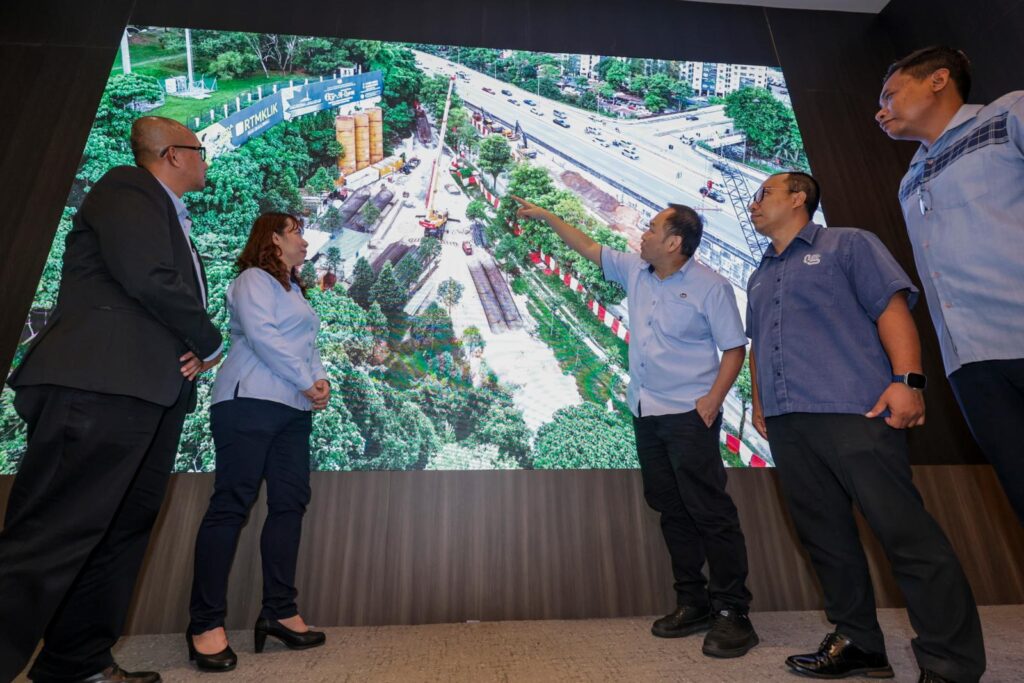
Construction has commenced on the New Pantai Expressway (NPE) 2 project, marking a significant step toward tackling chronic traffic congestion plaguing Kuala Lumpur's southern corridor. This strategic infrastructure initiative by IJM Corporation Bhd involves building a main alignment of 6.4 kilometers, extending to 15.9 kilometers with ramps, connecting the Pantai Dalam Toll Plaza to Jalan Istana via Jalan Syed Putra.
The commencement of construction is a significant achievement in realizing infrastructure projects for Kuala Lumpur's transportation network.
IJM Tol Division CEO Chua Lay Hoon stated that the elevated highway is projected to divert approximately 40% of the traffic currently bottlenecked on Jalan Bangsar. This diversion is expected to significantly reduce travel times, cutting them by up to 25 minutes during peak hours. "The commencement of construction is a significant achievement in realizing infrastructure projects for Kuala Lumpur's transportation network," Chua said during a press conference.
The project will also enhance connectivity between the NPE, BESRAYA, and the proposed Istana-Kiara Expressway (LIKE), aligning with the Kuala Lumpur Transport Master Plan 2040 (KLTP 2040). A comprehensive Traffic Management Plan (TMP) has been developed with relevant authorities to minimize disruptions during the construction phase, which officially began at three key locations: Pantai Dalam, Jalan Syed Putra, and Jalan Istana.
Traffic management measures will include real-time monitoring, scheduled lane closures and diversions outside peak hours, and information dissemination via variable message signs (VMS).
Measures to manage traffic include real-time monitoring, scheduled lane closures and diversions outside peak hours, and information dissemination via variable message signs (VMS). Safety is paramount, with continuous monitoring through smart cameras, certified safety officers, and an Emergency Response Team (ERT). The project's design also accommodates future Multi-Lane Free Flow (MLFF) toll systems planned for 2029, while retaining flexibility for conventional toll operations if needed. A new Salak Putra Toll Plaza will be added, bringing the total to four plazas.
Safety monitoring will be conducted continuously through smart cameras, certified safety officers, and an Emergency Response Team (ERT).
DistantNews Editorial
Originally published by Utusan Malaysia in Malay. Translated, summarized, and contextualized by our editorial team with added local perspective. Read our editorial standards.
More Stories


From Our Blog

What Gets Lost (and Found) When News Is Translated

The Critical Role of Diaspora Media in Global News

What Travellers Should Know About Countries with Restricted Press

A Digital Nomad's Guide to Following Local News

How the Same Story Looks Different in Different Countries
