

Nuremberg Trams Halted by Heat Damage to Tracks and Vehicles
Translated from German, summarized and contextualized by DistantNews.
At a glance
News
Named sources
Ongoing story
- Nuremberg's trams are temporarily out of service due to heat damage to the tracks and vehicles.
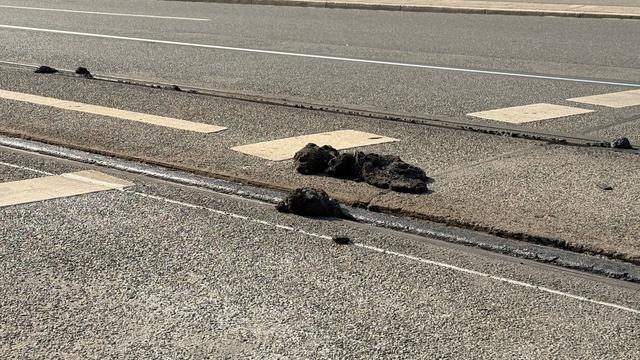
- Extreme heat caused the bitumen filling material around the rails to soften and stick to trams.
- Repair costs are estimated in the hundreds of thousands of euros, with officials citing climate change impacts.
Nuremberg's tram system has ground to a halt, with no services running due to extensive heat damage. The extreme temperatures experienced in recent days caused the bitumen filling material used around the tram tracks to soften and adhere to the vehicles, effectively immobilizing them.
Officials from the Nuremberg Transport Authority (VAG) described the material as being "like chewing gum." While the worst of the sticky residue has been removed from the network, the extensive cleaning required for numerous trams and rails is a complex and time-consuming process. The VAG spokesperson stated that they can only manage to clean two vehicles per day, highlighting the scale of the challenge.
To maintain mobility for passengers, taxis and buses are being used to shuttle people to U-Bahn stations on the outer lines. However, even these vehicles face disruptions as the problematic filling material has also affected the road surface where bus stops are located.
VAG board spokesperson Tim Dahlmann-Resing emphasized that the decision to suspend services was difficult but necessary for passenger and staff safety. He noted that the situation is extraordinary and a clear consequence of climate change, requiring adaptation from transport companies. The VAG estimates the repair costs to be in the hundreds of thousands of euros, and Dahlmann-Resing called for support from federal and state governments to manage these climate-related challenges.
DistantNews Editorial
Originally published by Die Zeit in German. Translated, summarized, and contextualized by our editorial team with added local perspective. Read our editorial standards.
More Stories



From Our Blog

What Gets Lost (and Found) When News Is Translated

How the Same Story Looks Different in Different Countries

The Critical Role of Diaspora Media in Global News

What Travellers Should Know About Countries with Restricted Press

A Digital Nomad's Guide to Following Local News
