


Oak Processionary Caterpillar in Poland: Municipalities Warn Residents
Translated from Polish, summarized and contextualized by DistantNews.
At a glance
News
Sources not specified
Context piece
- The oak processionary caterpillar, an invasive species causing allergic reactions and respiratory problems, has been detected in Poland, with initial sightings in the Małopolska region.
- Local authorities are warning residents about the dangers of contact with the caterpillar's toxic hairs, which can cause severe skin irritation, rashes, and breathing difficulties in humans and pets.
- Property owners are responsible for removing nests on their land, and guidelines from State Forests advise on proper handling, including washing contaminated clothing at high temperatures.
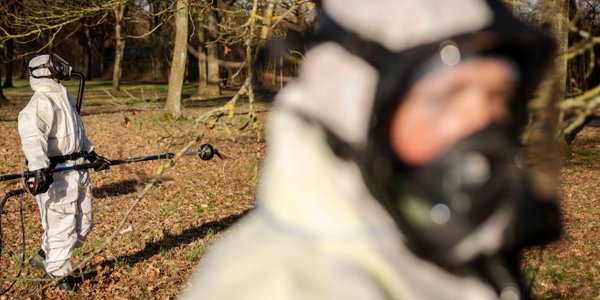
Poland is now grappling with the arrival of the oak processionary caterpillar (Thaumetopoea processionea), an invasive insect previously found in countries like Germany and France. Local authorities have issued warnings to residents, particularly in the Małopolska region, about the potential health risks associated with this hazardous pest.
The adult form of the insect is not dangerous. The problem is its caterpillar, specifically the toxic hairs that cover it from the first day of life. They can float in the air and cause: severe skin irritation, rash and allergic reactions, eye irritation, cough and breathing difficulties.
The caterpillar's threat lies not in its bite, but in the fine, toxic hairs that cover its body from birth. These hairs can become airborne, leading to severe skin irritations, rashes, and allergic reactions upon contact. Inhalation can also cause coughing and breathing difficulties. The warnings extend to pet owners, as cats and dogs can suffer from excessive salivation, difficulty eating, and skin lesions if exposed, necessitating immediate veterinary attention.
Cats and dogs, due to contact with the bristles of the oak processionary caterpillar, most often begin to salivate intensely in the initial phase, have problems with drinking and eating, and small wounds may appear on their bodies. In such cases, immediate veterinary help is necessary.
Initial reports of the caterpillar's presence emerged in the Kujawsko-Pomorskie and Wielkopolskie voivodeships before its detection in Małopolska. The municipality of Kłaj in Małopolska has emphasized that while the adult moth is harmless, the caterpillar poses a significant risk to both humans and animals. Residents with infested properties are reminded that the responsibility for removing caterpillar nests falls on them.
Particular caution should be exercised near oak trees, where the insects form characteristic nests and move in 'processions,' from which they get their name.
State Forests (Lasy Państwowe) has provided guidance on how to handle contact with the caterpillars. They advise removing contaminated clothing immediately and washing it at a minimum temperature of 60 degrees Celsius. The caterpillars are known to form characteristic nests on oak trees and move in "processions," hence their name. The spread of this invasive species is a growing concern for public health and environmental authorities across Poland.
Remove clothing on which there may be harmful hairs (wash them at min. 60 degrees Celsius!).
DistantNews Editorial
Originally published by Rzeczpospolita in Polish. Translated, summarized, and contextualized by our editorial team with added local perspective. Read our editorial standards.
More Stories



From Our Blog

What Gets Lost (and Found) When News Is Translated

The Critical Role of Diaspora Media in Global News

What Travellers Should Know About Countries with Restricted Press

A Digital Nomad's Guide to Following Local News

How the Same Story Looks Different in Different Countries
