

World Environment Day 2026: Actions for the climate are actions for life | Rzeczpospolita (PL)
Translated from Polish, summarized and contextualized by DistantNews.
At a glance
News
Sources not specified
Context piece
- Global temperatures are rising, with a 75% chance of exceeding 1.5°C above pre-industrial levels between 2026-2030, according to the WMO.
- Exceeding this threshold increases risks of extreme weather, ecosystem destabilization, and threats to food, health, and social security.
- Protecting biodiversity is crucial for climate resilience, acting as a tool to strengthen adaptation to climate change.
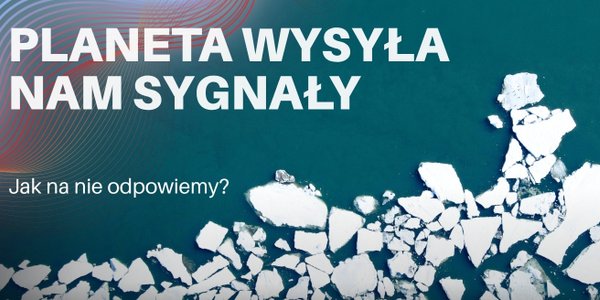
The world faces an escalating climate crisis, with the World Meteorological Organization (WMO) predicting a 75% probability that global average temperatures will permanently exceed 1.5°C above pre-industrial levels between 2026 and 2030. This critical threshold, central to the Paris Agreement, marks a point where the risk of triggering irreversible climate processes significantly increases.
Each fraction of a degree of warming amplifies the danger of extreme weather events and threatens the stability of ecosystems essential for water cycles, food production, and economic functions. Climate change is increasingly viewed not just as an environmental issue but as a profound challenge to food security, public health, and social stability. Scientists warn that exceeding 1.5°C will accelerate existing changes, leading to more intense droughts, severe storms, and increased risks for agriculture, water resources, forests, and infrastructure.
For Poland, this specifically means: more intense droughts, stronger storms, increasing risks for agriculture and water resources, forests, infrastructure, health, and through social and global consequences, an increasingly unstable geopolitical situation. Every additional fraction of a degree of warming has real consequences. Every delay in action worsens our prospects.
Professor Szymon Malinowski, chair of the climate crisis advisory team at the Polish Academy of Sciences, highlighted the tangible consequences for Poland, including intensified droughts and storms, and heightened risks for agriculture and water resources. He stressed that "every additional fraction of a degree of warming has real consequences. Every delay in action worsens our prospects."
The interconnectedness of climate and nature is undeniable. Biodiversity, the intricate web of life, is a fundamental component of the Earth's climate system. Plants absorb carbon dioxide, and ecosystems regulate water cycles, helping to stabilize local climates. Therefore, nature conservation is not only an end in itself but also a vital tool for enhancing resilience to climate change impacts. UN Secretary-General António Guterres emphasized that "biodiversity is the living network that sustains human life."
biodiversity is the living network that sustains human life
DistantNews Editorial
Originally published by Rzeczpospolita in Polish. Translated, summarized, and contextualized by our editorial team with added local perspective. Read our editorial standards.
More Stories
From Our Blog

What Gets Lost (and Found) When News Is Translated

The Critical Role of Diaspora Media in Global News

What Travellers Should Know About Countries with Restricted Press

A Digital Nomad's Guide to Following Local News

How the Same Story Looks Different in Different Countries
