

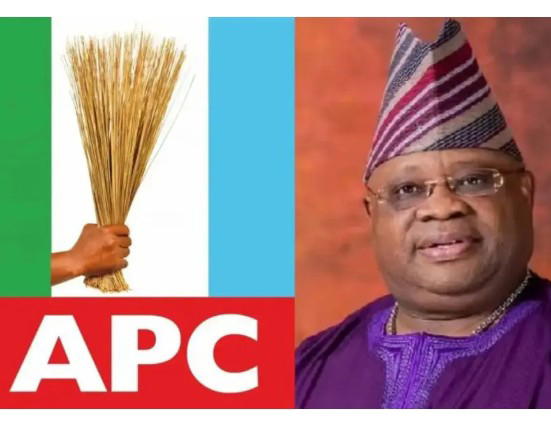

Obasanjo Vs. Atiku: Time For A Truce
Summarized and contextualized by DistantNews.
At a glance
Analysis
Sources not specified
Context piece
- A long-standing political feud between former Nigerian President Olusegun Obasanjo and former Vice President Atiku Abubakar continues ahead of the 2027 general elections.
- The conflict dates back to their time in office from 1999 to 2007, with roots extending further back into their political careers.
- The article explores the history of their rivalry, including Abubakar's role as Vice President and the speculations surrounding his presidential ambitions.
The political landscape in Nigeria is once again being shaped by the enduring animosity between former President Olusegun Obasanjo and his one-time running mate, former Vice President Atiku Abubakar. As the nation gears up for the 2027 general elections, their protracted feud, a fixture in Nigerian political history, remains a prominent episode. Obasanjo and Abubakar served together at the federal level between 1999 and 2007. However, their relationship has been marked by conflict for over two decades, with the rivalry resurfacing during each election cycle since 2003. The origins of their discord, however, are even older, tracing back to their initial political maneuvers. Abubakar was elected Governor of Adamawa State in 1999. Following the elections, Obasanjo selected him as his Vice President, leading Abubakar to relocate from Yola to the capital, Abuja. Their initial partnership, a Christian-Fulani combination from Yoruba and Fulani ethnic groups respectively, was seen as a unifying force for Nigeria after years of military rule. Abubakar was entrusted with significant responsibilities, including overseeing the economy and the privatization process, and was given considerable influence within the administration. However, cracks began to appear even before the 2003 general elections. Speculation mounted that Abubakar had grown too powerful and was plotting to unseat Obasanjo. While General Muhammadu Buhari was Obasanjo's main opponent in that election, the internal challenge posed by his own Deputy was a significant concern. Abubakar's perceived strength within the People's Democratic Party (PDP) led to tensions during the party's primaries, with narratives suggesting he aimed to seize the presidential ticket.
DistantNews Editorial
Originally published by ThisDay. Summarized and contextualized by our editorial team with added local perspective. Read our editorial standards.
More Stories


From Our Blog

How the Same Story Looks Different in Different Countries

What Gets Lost (and Found) When News Is Translated

The Critical Role of Diaspora Media in Global News

What Travellers Should Know About Countries with Restricted Press

A Digital Nomad's Guide to Following Local News
