


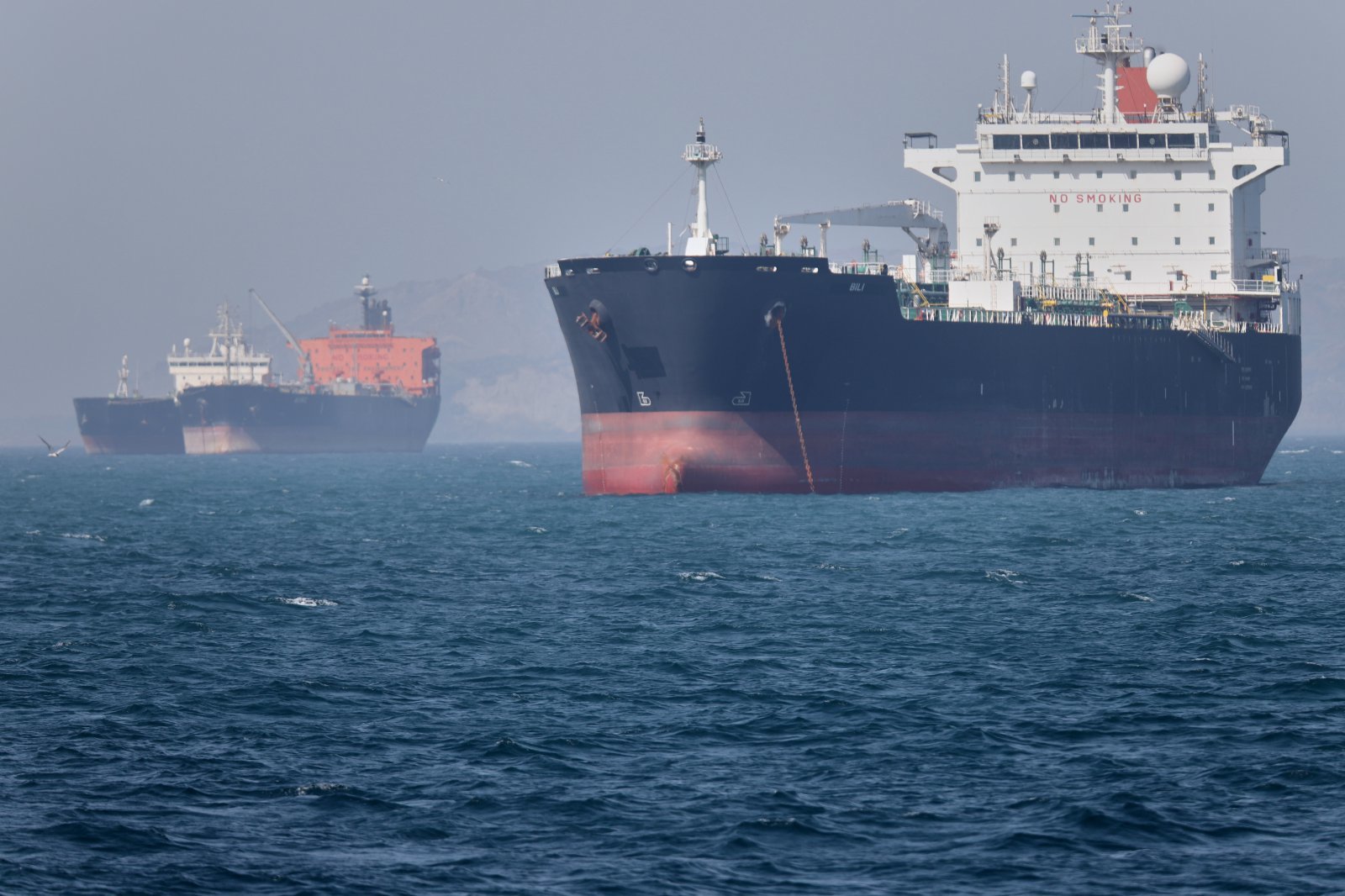
Oil Prices Jump Amid U.S.-Iran Tensions, But Korean Fuel Costs Stable for Now
Translated from Korean, summarized and contextualized by DistantNews.
At a glance
News
Named sources
Context piece
- International oil prices surged nearly 10% following renewed military tensions between the U.S. and Iran, with both nations mentioning the Strait of Hormuz.
- Despite the global price hike, domestic South Korean fuel prices remain stable, having fallen to around 1,800 won per liter due to government price caps implemented in late May.
- However, prolonged military tensions in the Middle East could eventually put upward pressure on domestic fuel prices if the Strait of Hormuz blockade becomes a reality.
Renewed military tensions between the United States and Iran have sent international oil prices soaring, with Brent crude futures rising 9.6% to $83.30 per barrel and West Texas Intermediate (WTI) crude futures climbing 9.4% to $78.14 per barrel. This surge is largely attributed to concerns over potential supply disruptions, especially after both U.S. President Donald Trump and Iranian officials alluded to the possibility of blockading the Strait of Hormuz.
The Strait of Hormuz is a critical chokepoint for global oil transportation, accounting for approximately 27% of the world's seaborne crude oil trade. Any disruption in this vital waterway could significantly impact global supply and further drive up oil prices.
Despite the sharp increase in international oil prices, South Korean consumers are not immediately feeling the pinch. Domestic gasoline and diesel prices have been on a downward trend since the government implemented a price cap policy on May 27, which lowered the maximum retail price for gasoline, diesel, and kerosene by 150 won per liter. As a result, average gasoline prices have fallen to around 1,877.8 won per liter, and diesel prices to 1,862.3 won per liter, according to the Korea National Oil Corporation's Opinet system.
Industry experts, however, caution that this stability might be temporary. If the military confrontation in the Middle East escalates and persists, and if the Strait of Hormuz is indeed blockaded, the upward pressure on international oil prices could eventually translate to higher fuel costs for South Korean consumers. The current price cap policy may cushion the immediate impact, but a prolonged supply crisis would inevitably affect the domestic market.
DistantNews Editorial
Originally published by Dong-A Ilbo in Korean. Translated, summarized, and contextualized by our editorial team with added local perspective. Read our editorial standards.
More Stories



From Our Blog

What Gets Lost (and Found) When News Is Translated

The Critical Role of Diaspora Media in Global News

What Travellers Should Know About Countries with Restricted Press

A Digital Nomad's Guide to Following Local News

How the Same Story Looks Different in Different Countries
