


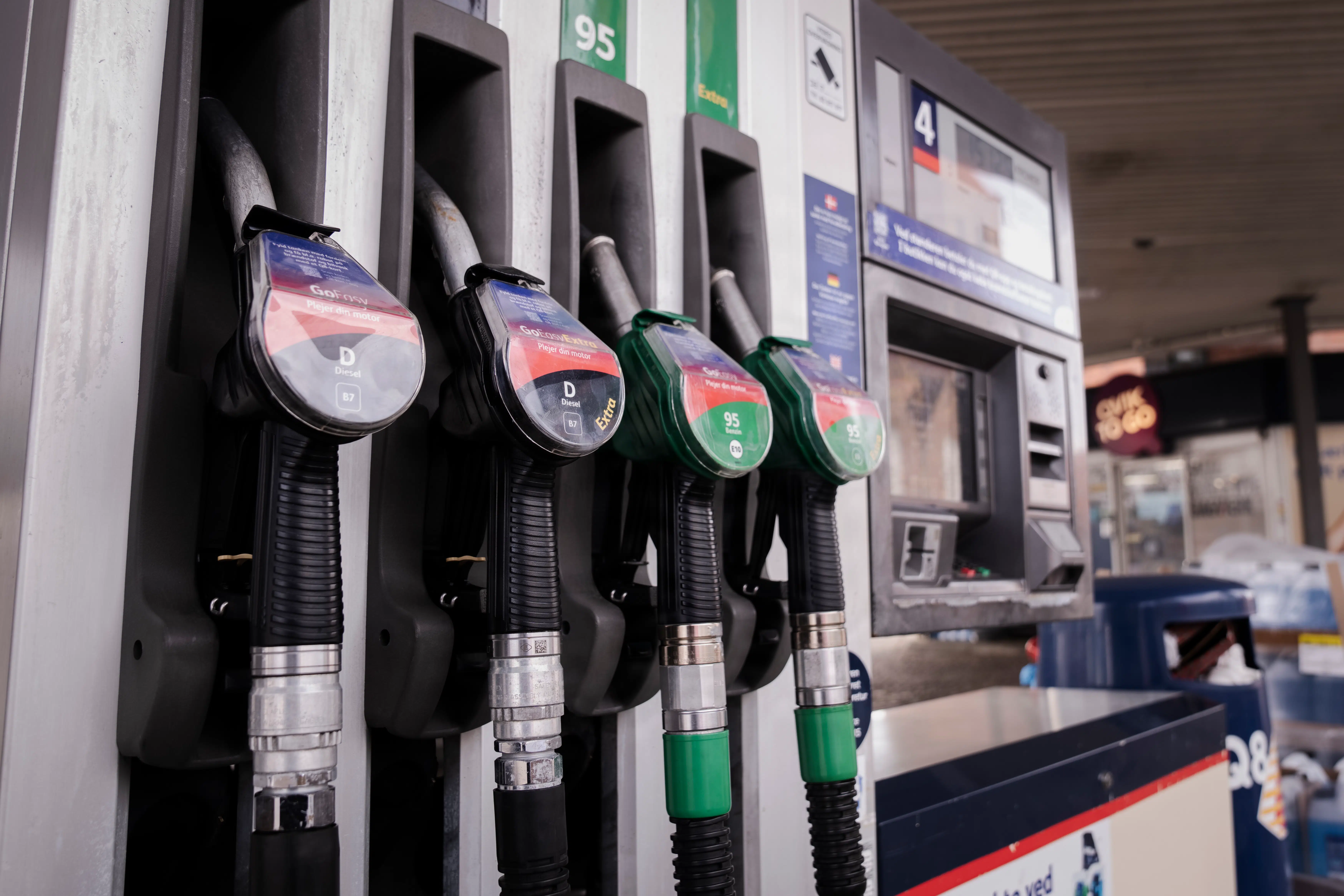
Oil prices surge as U.S. tariff proposal could worsen situation
Translated from Danish, summarized and contextualized by DistantNews.
At a glance
News
Sources not specified
Context piece
- Oil prices are at their highest in a month, threatening to increase costs for summer travel and various goods.
- The price surge is linked to escalating U.S.-Iran attacks and a proposed 20% "Hormuz tariff" on shipments through the strategic strait.
- This situation adds pressure to the EU's efforts to prevent a sudden spike in Russian oil prices.
Summer travel and the cost of goods face potential increases as oil prices hit a one-month high. The rising prices are attributed to the escalating conflict between the U.S. and Iran, coupled with a proposed U.S. tariff on shipments passing through the vital Strait of Hormuz.
The U.S. plans to impose a 20% "Hormuz tariff" on all ship cargo transiting the strait, a move that could significantly impact global trade routes and energy costs. This development adds urgency to the European Union's efforts to stabilize oil markets and prevent a sharp rise in prices for Russian oil.
Reports indicate that oil prices continued to climb Tuesday morning. This trend follows recent escalations in attacks between the U.S. and Iran, creating a volatile environment for energy markets. The strategic importance of the Strait of Hormuz, a key chokepoint for oil transport, makes any disruption in the region particularly impactful on global prices.
DistantNews Editorial
Originally published by Berlingske in Danish. Translated, summarized, and contextualized by our editorial team with added local perspective. Read our editorial standards.
More Stories



From Our Blog

What Gets Lost (and Found) When News Is Translated

The Critical Role of Diaspora Media in Global News

What Travellers Should Know About Countries with Restricted Press

A Digital Nomad's Guide to Following Local News

How the Same Story Looks Different in Different Countries
