


Oil slicks continue to coat Bulgarian beaches; Greenpeace probes Russia's 'ghost fleet'
Translated from Romanian, summarized and contextualized by DistantNews.
At a glance
News
Sources not specified
Context piece
- Oil pollution continues to reach Bulgarian Black Sea beaches, with locals reporting daily deposits even after cleanup efforts.
- Authorities suggest the pollution stems from old seabed deposits stirred up by strong waves and wind, but environmental groups suspect illegal dumping by ships, possibly from Russia's
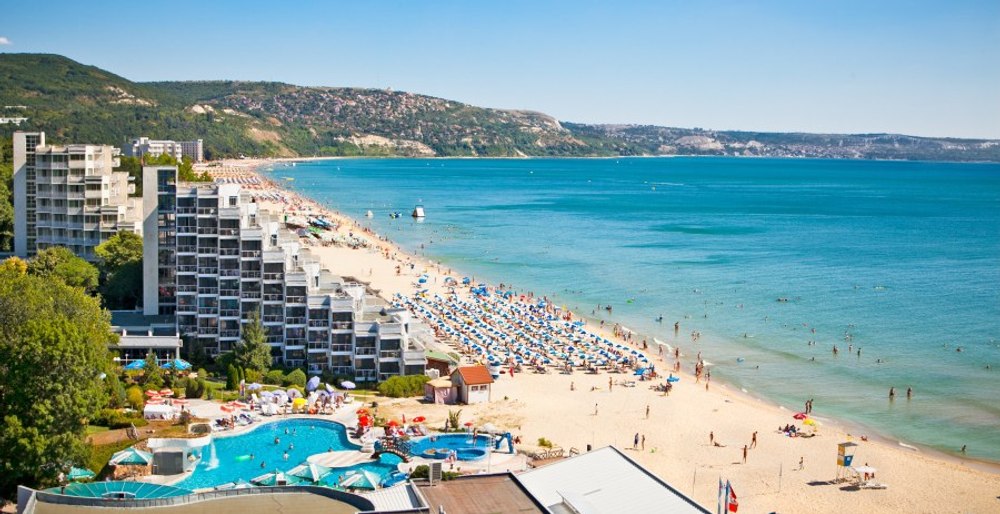
Bulgarian Black Sea beaches are experiencing a persistent oil spill, with residents in areas like Rezovo, Sinemorets, and Kamchia reporting daily arrivals of thick, sticky residue. Cleanup operations are struggling to keep pace as the oil washes ashore almost constantly.
Local volunteers first noticed significant pollution on June 18th on Silistar and Veleka beaches. "We were cleaning here two days ago, and last night the sea brought oil to the shore again," a volunteer told svobodnatochka.bg. Authorities have confirmed receiving numerous reports and have ordered beach cleanups. Seawater samples are being analyzed.
We were cleaning here two days ago, and last night the sea brought oil to the shore again.
The Ministry of Environment suggests the oil originates from old seabed deposits, dislodged by recent strong winds and waves. However, environmental organization Greenpeace Bulgaria disputes this, questioning the timeline and lack of prior detection. Greenpeace representative Hristo Panchev stated, "If the pollution is old, when did it occur and why wasn't it identified in time?"
Greenpeace speculates the pollution could be from ships illegally dumping oil waste or from vessels belonging to Russia's "ghost fleet," used for oil transport despite international sanctions. The organization is examining satellite images showing suspicious patches in the Black Sea, including near a sanctioned tanker abandoned off Bulgaria's coast since late 2025. Panchev emphasized the need for chemical analysis of the residue and vessel inspections to identify responsibility.
If the pollution is old, when did it occur and why wasn't it identified in time?
DistantNews Editorial
Originally published by Adevărul in Romanian. Translated, summarized, and contextualized by our editorial team with added local perspective. Read our editorial standards.
More Stories


From Our Blog

What Gets Lost (and Found) When News Is Translated

The Critical Role of Diaspora Media in Global News

What Travellers Should Know About Countries with Restricted Press

A Digital Nomad's Guide to Following Local News

How the Same Story Looks Different in Different Countries
