


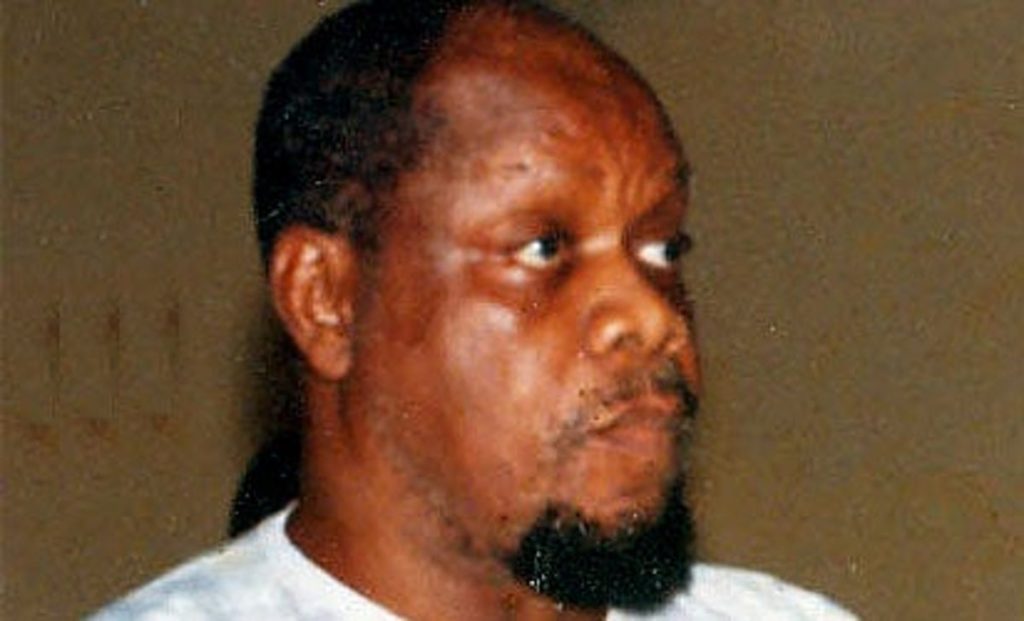
Ojukwu's refusal to recognize Gowon fueled Nigerian Civil War, says Abubakar
Translated from English, summarized and contextualized by DistantNews.
At a glance
News
Sources not specified
Context piece
- Chukwuemeka Odumegwu Ojukwu refused to recognize Yakubu Gowon as head of state following the July 1966 Nigerian counter-coup.
- Ojukwu insisted that Brigadier Babafemi Ogundipe, then the most senior officer after the overthrown Aguiyi-Ironsi, should have assumed leadership.
- This stance by Ojukwu was a significant factor contributing to the outbreak of the Nigerian Civil War.
Chukwuemeka Odumegwu Ojukwu refused to recognize Yakubu Gowon as the head of state following the July 1966 counter-coup in Nigeria, according to Abubakar. Ojukwu's refusal stemmed from his belief that leadership should have passed to Brigadier Babafemi Ogundipe, who was the most senior officer after the previous head of state, Aguiyi-Ironsi, was killed.
This assertion by Ojukwu was a critical point of contention in the events leading up to the Nigerian Civil War. By challenging Gowon's legitimacy and insisting on a different line of succession based on military rank, Ojukwu introduced a significant political and military deadlock.
The Nigerian Civil War, also known as the Biafran War, lasted from 1967 to 1970. It was a devastating conflict with immense loss of life and widespread destruction, primarily fought between the government of Nigeria and the secessionist state of Biafra, led by Ojukwu.
Ojukwu refused to recognise the new head of state, insisting that in the absence of Aguiyi-Ironsi, the next in command was Brigadier Babafemi Ogundipe
DistantNews Editorial
Originally published by Vanguard in English. Translated, summarized, and contextualized by our editorial team with added local perspective. Read our editorial standards.
More Stories


From Our Blog

How the Same Story Looks Different in Different Countries

What Gets Lost (and Found) When News Is Translated

The Critical Role of Diaspora Media in Global News

What Travellers Should Know About Countries with Restricted Press

A Digital Nomad's Guide to Following Local News
