

One of history's largest volcanic cataclysms: How humanity neared extinction
Translated from Romanian, summarized and contextualized by DistantNews.
At a glance
In-depth
Sources not specified
Context piece
- Around 74,000 years ago, the Toba supervolcano in Indonesia erupted, causing severe global climate changes.
- The eruption led to a "volcanic winter" lasting about six years, with some regions experiencing cooling for up to 1,800 years.
- A prominent theory suggests this cataclysmic event drastically reduced the human population, bringing Homo sapiens to the brink of extinction.
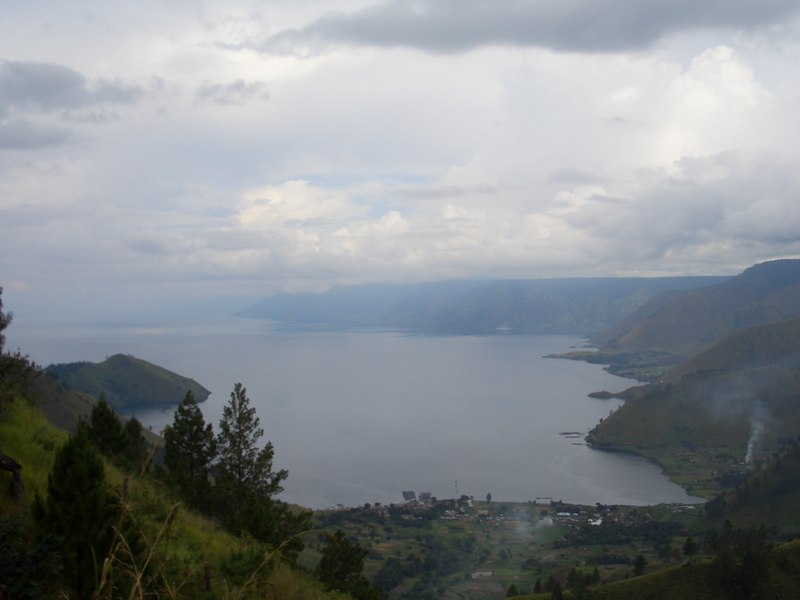
One of history's most significant volcanic events, the eruption of the Toba supervolcano on Indonesia's Sumatra island approximately 74,000 years ago, may have pushed humanity to the edge of extinction, according to a leading scientific theory.
The colossal eruption spewed over 2,800 cubic kilometers of rock and ash into the atmosphere. This immense release of sulfur dioxide and volcanic particles blocked sunlight, triggering a severe global cooling period. Scientists estimate this "volcanic winter" lasted for about six years, with prolonged cooling effects lasting up to 1,800 years in some areas. The drastic climate shifts impacted ecosystems worldwide, leading to the replacement of forests with grasslands in parts of India and the Bengal region, and the extinction of several large mammal species.
The Toba cataclysm darkened the sky.
In 1998, Professor Stanley H. Ambrose of the University of Illinois Urbana-Champaign proposed a theory suggesting that the Toba eruption caused a drastic bottleneck in the human population. The harsh environmental conditions, including food and water scarcity, are believed to have decimated human communities, reducing the global Homo sapiens population to as few as 10,000 individuals. This theory highlights the species' remarkable adaptability as key to its survival through such a profound global crisis.
Humanity was on the verge of extinction.
DistantNews Editorial
Originally published by Adevărul in Romanian. Translated, summarized, and contextualized by our editorial team with added local perspective. Read our editorial standards.
More Stories
From Our Blog

What Gets Lost (and Found) When News Is Translated

The Critical Role of Diaspora Media in Global News

What Travellers Should Know About Countries with Restricted Press

A Digital Nomad's Guide to Following Local News

How the Same Story Looks Different in Different Countries
