

One Year After Georgia Detentions, South Korean Field Workers Return to Savannah
Translated from Korean and summarized by DistantNews. Read the original for the full story.
At a glance
News
Named sources
Context piece
- About 300 South Koreans were detained during an immigration enforcement operation at a Hyundai Motor and LG Energy Solution joint-plant construction site in Savannah last September.
- Vivian Lee, a local Korean business leader, said roughly one-quarter of those detained have returned under expedited visa and entry procedures.
- Korean businesses and local commerce suffered after the detentions, but guesthouses, restaurants and other shops are beginning to recover as Korean companies expand their US operations.
A year after roughly 300 South Koreans were detained at a Hyundai Motor and LG Energy Solution joint-plant construction site in Savannah, some of the workers are returning to the Georgia city under new visa procedures.
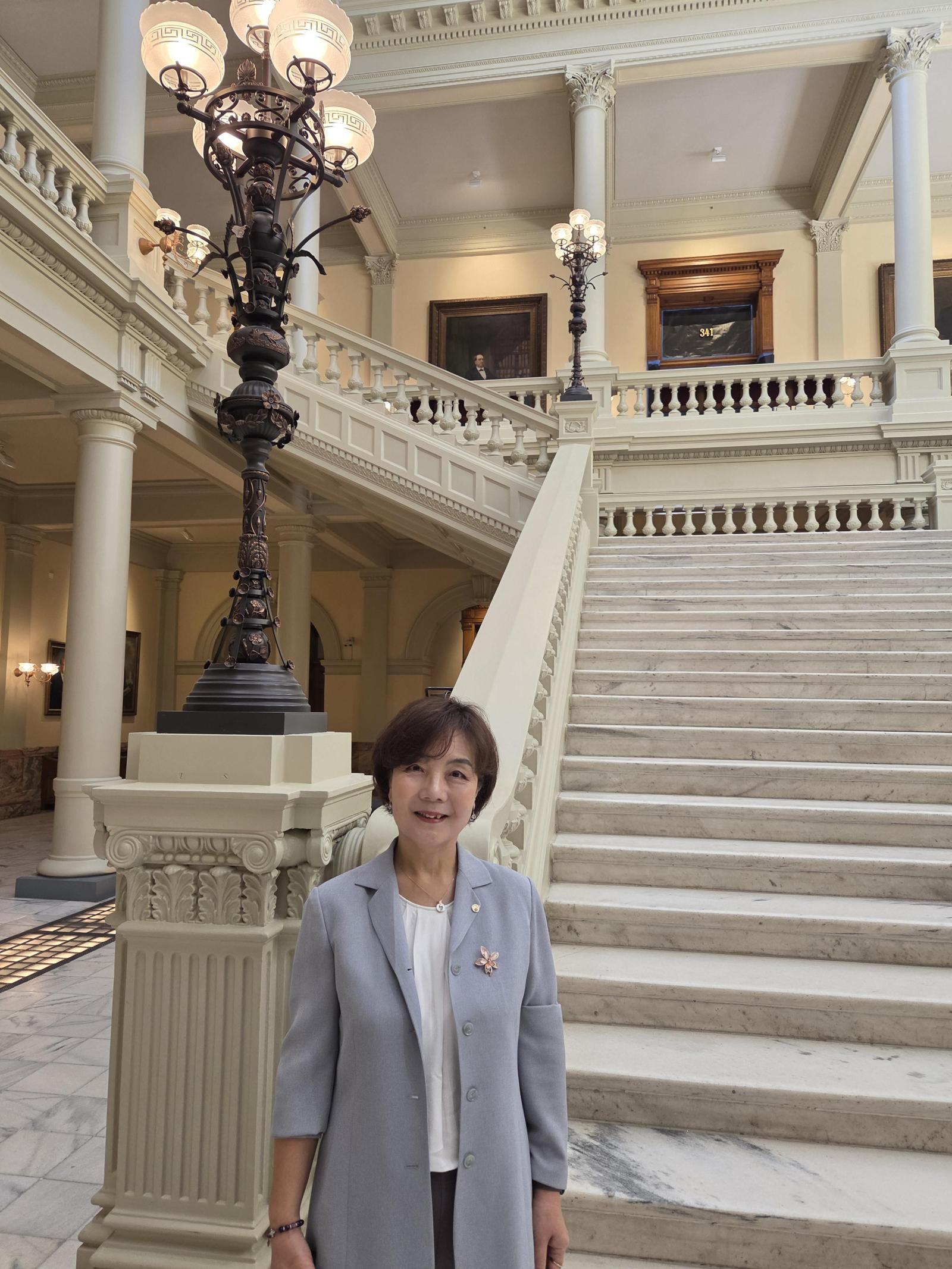
Vivian Lee, head of the Savannah chapter of the World-OKTA trade group and president of the Savannah Korean American Economic Association, said about one-quarter of those detained had returned to the site. They traveled with invitations from Hyundai, received business visas marked with Hyundai as their purpose, and benefited from faster visa and immigration processing through cooperation between the South Korean and US governments.
Many people were curious about Savannah one year after the detention incident. While the South Korean and US governments are currently in a somewhat tense situation, Savannah has overcome its pain and regained its vitality.
Around 200 of the detainees worked for LG Energy Solution and construction partners, while about 100 were affiliated with Hyundai Engineering and its contractors. After the incident, Hyundai and LG required all business travelers, including employees of partner companies, to obtain B-1 business visas. The companies also worked with both governments to support an expedited visa process.
About one-quarter of the people who were detained have returned to the site.
Lee said many of the detained workers continued to suffer trauma, including from compulsory vaccinations in the detention center. Hyundai and LG worked to bring back Korean specialists, arguing that local US workers alone could not handle the work. Hyundai has also announced plans to increase production capacity at its Savannah Metaplant from 500,000 vehicles to between 700,000 and 800,000 by 2028, with plans to produce more models and hire thousands of additional workers.
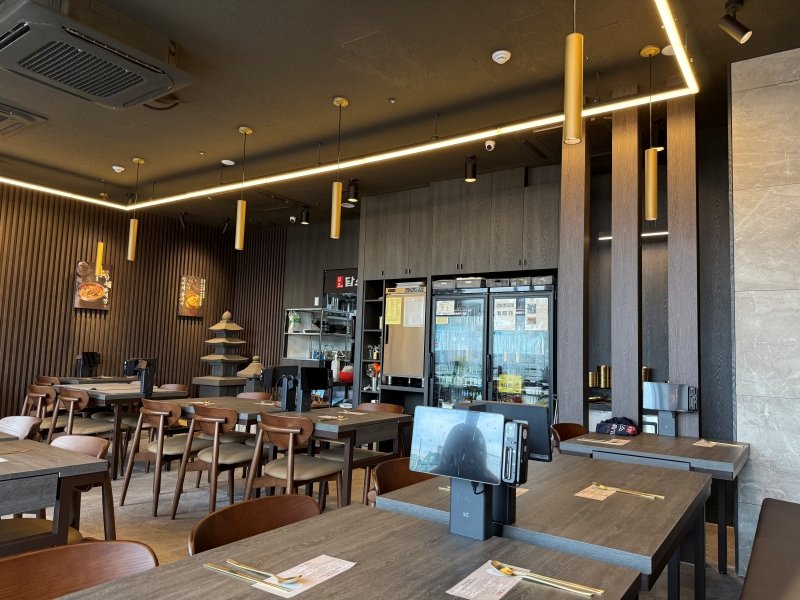
The detentions hit Savannah’s Korean-oriented economy. About one-third of the roughly 100 guesthouses and motels serving Koreans closed, and local retailers remained quiet through the end of last year. Lee said demand has now returned, with Korean contractors urgently seeking accommodation and restaurants reopening. Her cafe draws 80% of its customers from the local American population, who have also embraced foods such as bingsu, tteokbokki and fish-shaped pastries.
The people detained said they suffered a great deal of trauma, especially from being forced to receive preventive vaccinations in the detention center.
Lee said Korean companies are continuing to build US production sites, citing the start of construction at SK hynix’s Indiana facility. She urged companies to work with local governments on communication and driving difficulties to reduce problems for Korean workers settling in the area.
The US workforce here alone cannot handle this. We need Korean field experts.
About this summary
Originally published by Dong-A Ilbo in Korean. Translated, summarized, and contextualized automatically by DistantNews, with a note on how the source frames the story. Not individually reviewed before publishing. How this works.
More Stories

From Our Blog

What Gets Lost (and Found) When News Is Translated

The Critical Role of Diaspora Media in Global News

What Travellers Should Know About Countries with Restricted Press

A Digital Nomad's Guide to Following Local News

How the Same Story Looks Different in Different Countries
