


Opposition Leader’s U.S. Visit Draws Fire for Lack of Tangible Results
Translated from Korean, summarized and contextualized by DistantNews.
TLDR
- South Korean opposition leader Jang Dong-hyuk, currently visiting the U.S., stated that American officials urged South Korea to align its voice with the U.S. regarding the Israel-Iran conflict.
- Jang, however, declined to identify the specific U.S. officials he met with, citing security concerns, drawing criticism from within his own party.
- Critics within the People Power Party derided the trip as unproductive, pointing to photos of Jang and his delegation at the U.S. Capitol as mere
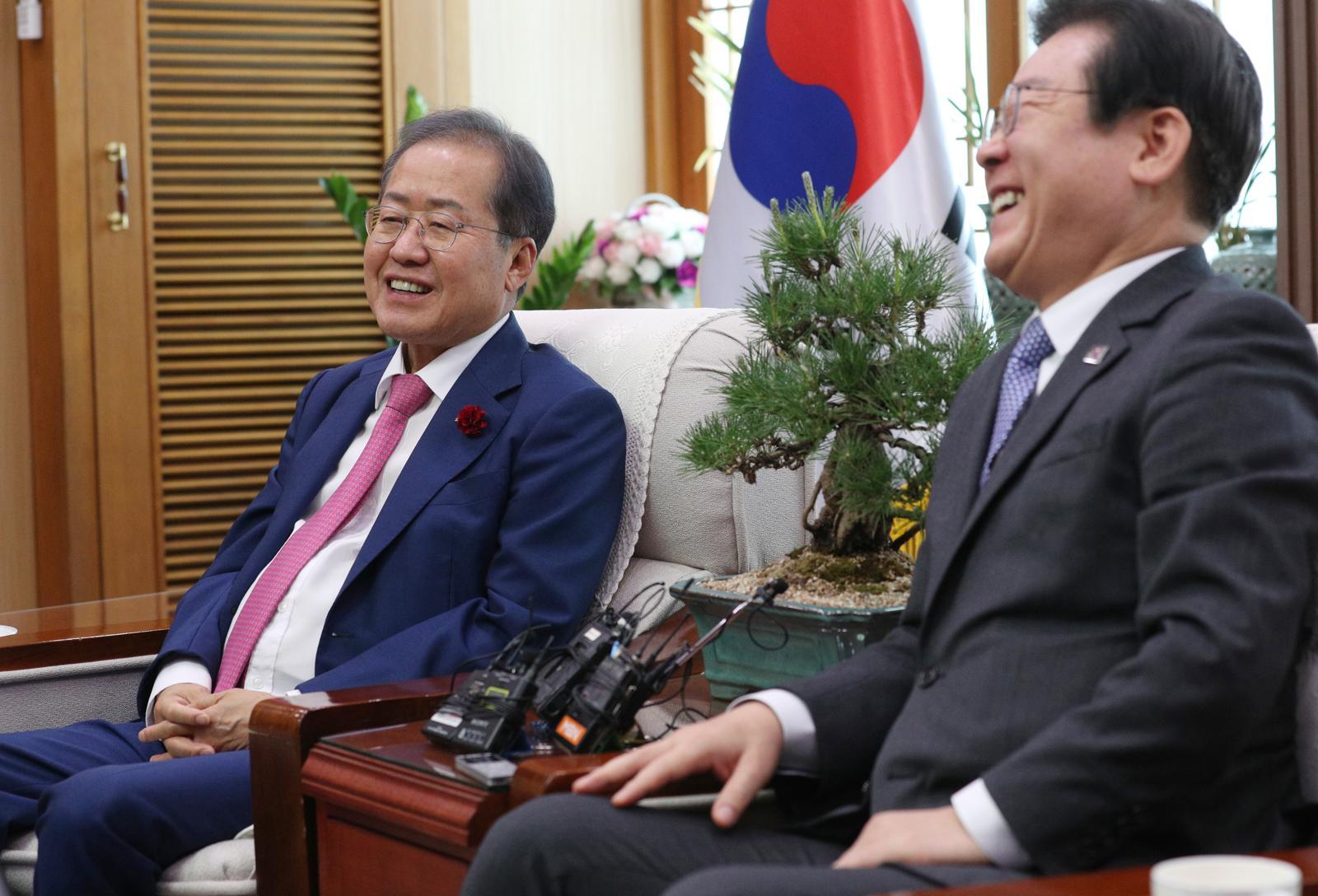
The recent visit of People Power Party leader Jang Dong-hyuk to the United States has become a focal point of internal party debate, with many questioning the tangible outcomes of his trip.
It is necessary for Korea to speak with the same voice as the United States regarding the Iran war.
Jang reported that U.S. administration officials expressed a desire for South Korea to adopt a unified stance on the escalating Israel-Iran conflict. However, his refusal to disclose the identities of these officials, citing security reasons, has fueled dissatisfaction among party members. This lack of transparency has led to accusations that the trip was a mere photo opportunity, yielding no substantial diplomatic achievements.
It seems accurate that [the U.S. official] had concerns.
Within the party, there's a growing sentiment that the delegation's efforts were superficial, with some senior members even suggesting the trip warrants a party audit due to perceived wasteful spending. The contrast between the expected diplomatic gains and the reported lack of concrete results has left many within the People Power Party feeling disappointed and questioning the leadership's strategy.
There were no achievements, only controversy over 'photo album pictures'.
From our perspective at Hankyoreh, this situation highlights a recurring issue in South Korean politics where high-profile international visits are often scrutinized for their practical impact rather than their symbolic value. While Western media might focus on the geopolitical implications, our coverage emphasizes the internal political ramifications and the accountability of our elected officials to the public and their party base. The 'photo op' criticism underscores a local concern about the effective use of taxpayer resources and the need for clear, demonstrable results from such diplomatic engagements, a sentiment often lost in broader international reporting.
It's becoming a laughing stock both inside and outside the party.
DistantNews Editorial
Originally published by Hankyoreh in Korean. Translated, summarized, and contextualized by our editorial team with added local perspective. Read our editorial standards.
More Stories


From Our Blog

What Gets Lost (and Found) When News Is Translated

The Critical Role of Diaspora Media in Global News

What Travellers Should Know About Countries with Restricted Press

A Digital Nomad's Guide to Following Local News

How the Same Story Looks Different in Different Countries
