


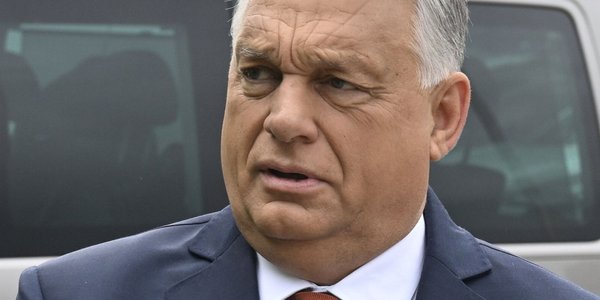
Orbán re-elected Fidesz leader with 98.9% of vote after losing power
Translated from Polish, summarized and contextualized by DistantNews.
At a glance
News
From a news agency
Outcome reported
- Viktor Orbán was re-elected as the leader of Hungary's Fidesz party with 98.9% of the vote at a congress in Budapest.
- Orbán, who recently lost power after 16 years of Fidesz rule, took responsibility for the party's election defeat and vowed to reorganize it for opposition.
- He acknowledged Fidesz's failure to connect with young voters and its ineffective online campaign, while the party faces a strong new majority government led by Tisza.
Viktor Orbán secured a resounding 98.9% of the vote to remain leader of Hungary's Fidesz party at a congress in Budapest. The election followed Fidesz's loss of power after 16 years, pushing the party into opposition.
Despite the electoral setback, Orbán declared he would not resign, stating, "I will not give up, never, never, never." He accepted responsibility for the party's defeat in the April parliamentary elections. Orbán described Fidesz's 16-year tenure as "fantastic" but stressed the need for changes to become an effective opposition force ready to regain power.
Orbán acknowledged critical shortcomings in the party's recent performance, particularly its failure to win over young voters, which he termed a "brutal defeat." He also criticized the party's online campaign as unsuccessful and vulnerable to attacks. The former prime minister noted that Fidesz was accused of corruption, including from abroad, and that the opposition effectively countered the party's narrative on the Ukraine war and national security.
Fidesz lost its governing majority to the Tisza party, led by Péter Magyar, who became prime minister on May 9. Tisza now holds a constitutional majority in parliament, enabling it to reverse policies enacted during Orbán's long rule. Orbán, Hungary's longest-serving prime minister, resigned his parliamentary seat to focus on reorganizing his political base, as Fidesz's support continues to decline.
I will not give up, never, never, never.
DistantNews Editorial
Originally published by Rzeczpospolita in Polish. Translated, summarized, and contextualized by our editorial team with added local perspective. Read our editorial standards.
More Stories

From Our Blog

What Gets Lost (and Found) When News Is Translated

The Critical Role of Diaspora Media in Global News

What Travellers Should Know About Countries with Restricted Press

A Digital Nomad's Guide to Following Local News

How the Same Story Looks Different in Different Countries
