

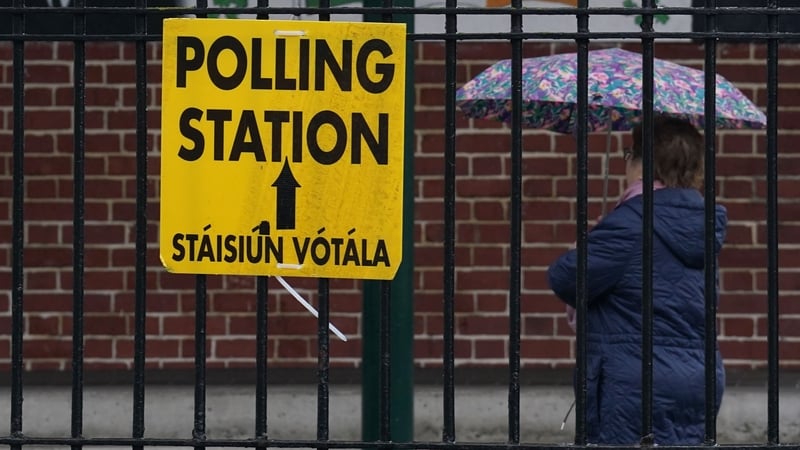

Orbán's Defeat Signals End of Era for Hungarian Media Control and EU Obstruction
Translated from English, summarized and contextualized by DistantNews.
TLDR
- Hungarian voters ousted Viktor Orbán on Sunday, ending his 16-year tenure as prime minister.
- Orbán's government systematically dismantled independent media and used his veto to block EU aid to Ukraine.
- The election outcome signals a potential reorientation of Hungarian foreign policy and a reckoning for Orbán's media control tactics.
The recent election results in Hungary mark a significant turning point, not just for the nation but for the broader European Union. Viktor Orbán's departure after 16 years in power is a welcome relief for many EU leaders who grew weary of his obstructionist tactics, particularly his consistent vetoes on aid to Ukraine and his role as a Kremlin ally within the bloc.
The ousting of Viktor Orbán by Hungarian voters on Sunday has ramifications far beyond what would normally be expected from an election in a small central European country.
The ramifications extend to Ukraine, which anticipates the release of crucial EU funding previously held hostage by Hungary's stance. The incoming government's immediate plans to prioritize visits to Warsaw, Vienna, and Brussels underscore a fundamental shift in Hungary's foreign policy orientation, signaling a move away from Orbán's isolationist and pro-Russian leanings.
European Union leaders will be relieved to see the back of a prime minister who persistently used his veto to block aid to Ukraine and who acted as Moscow’s uniquely useful ally inside the EU.
Beyond the geopolitical shifts, the Orbán era warrants a critical examination of its impact on domestic journalism. His systematic dismantling of independent media, through state broadcaster co-option, orchestrated advertising boycotts, legal harassment, and the consolidation of outlets under government-aligned oligarchs, has severely degraded the media landscape. Hungary's precipitous fall in press freedom rankings is a stark testament to this.
Ukraine’s government will be equally delighted that the €90 billion in EU funding previously frozen at Hungary’s insistence now looks set to be agreed.
Despite these efforts to control the narrative, independent journalism demonstrated its resilience. The leaked recording exposing Hungary's role as a conduit for Russian interests, despite the regime's pervasive influence, highlights the enduring value of a free press. The international perception of Hungary as a potential model for nationalist movements, particularly in the US, also warrants scrutiny, as the country's internal media environment deteriorated.
And election winner Péter Magyar’s promise that his first three trips as prime minister would be to Warsaw, Vienna then Brussels signals a fundamental reorientation in Hungarian foreign policy.
DistantNews Editorial
Originally published by Irish Times in English. Translated, summarized, and contextualized by our editorial team with added local perspective. Read our editorial standards.
More Stories

From Our Blog

What Gets Lost (and Found) When News Is Translated

The Critical Role of Diaspora Media in Global News

What Travellers Should Know About Countries with Restricted Press

A Digital Nomad's Guide to Following Local News

How the Same Story Looks Different in Different Countries
