


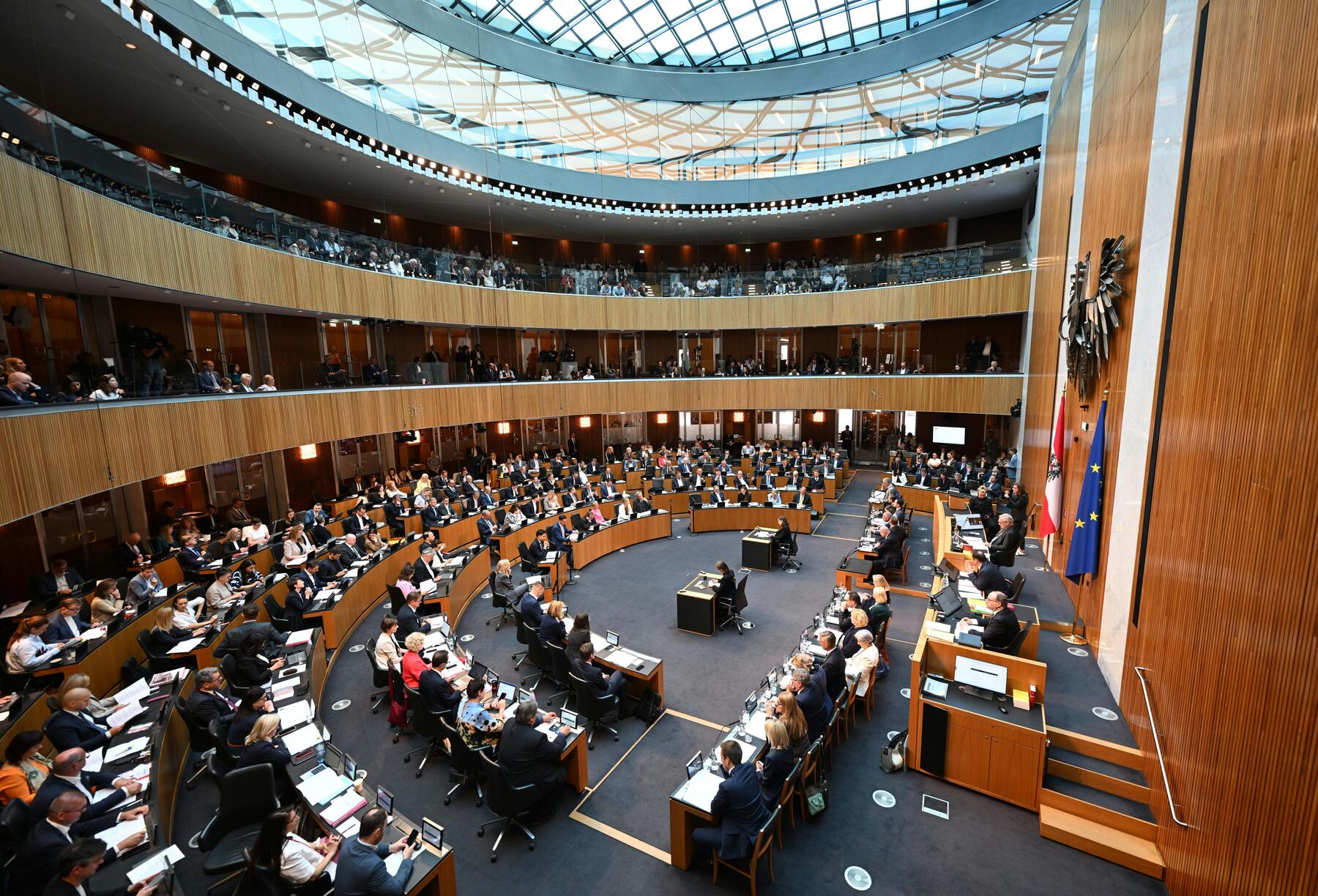
'Organized irresponsibility': Opposition sharply criticizes budget
Translated from German, summarized and contextualized by DistantNews.
At a glance
News
Named sources
New plan
- The opposition is sharply criticizing Austria's "double budget," calling it "organized irresponsibility."
- Critics argue the budget lacks structural reforms and social fairness, favoring large projects over future investments.
- The government defends the budget as a necessary step to exit deficit procedures and stimulate the economy.
Austria's opposition parties have launched a scathing attack on the government's "double budget," labeling it a "document of budgetary stagnation and organized irresponsibility." The Freedom Party (FPÖ) argues that the budget fails to address crucial structural reforms, instead focusing on superficial measures while neglecting long-term fiscal health.
This budget increases injustice and cuts the future.
"Every debate about individual measures is not conducive as long as the overarching goals are not met," stated FPÖ budget spokesperson Arnold Schiefer. He criticized the target of merely reaching the EU's 3% deficit threshold as insufficient, emphasizing the need for a balanced budget to secure the future for coming generations.
This is a double budget with which we want to get out of the deficit procedure, bring the upswing into reality and set important impulses for competitiveness and prosperity, especially in difficult times.
The Green Party echoed these criticisms, highlighting perceived injustices within the budget. Party leader Leonore Gewessler lamented that while billions are allocated for highway projects through nature reserves, funding for domestic wind and solar energy is lacking. The Greens also pointed to a lack of social balance, arguing that high inheritances are tax-exempt while cuts affect women, families, and low-income earners. They further criticized the energy policy direction, calling the planned reduction of climate-damaging subsidies a "hollow promise."
It is not ambitious enough to reach the 3 percent hurdle of the EU; we must finally move towards a balanced budget, everything else is a burden for the future of our children.
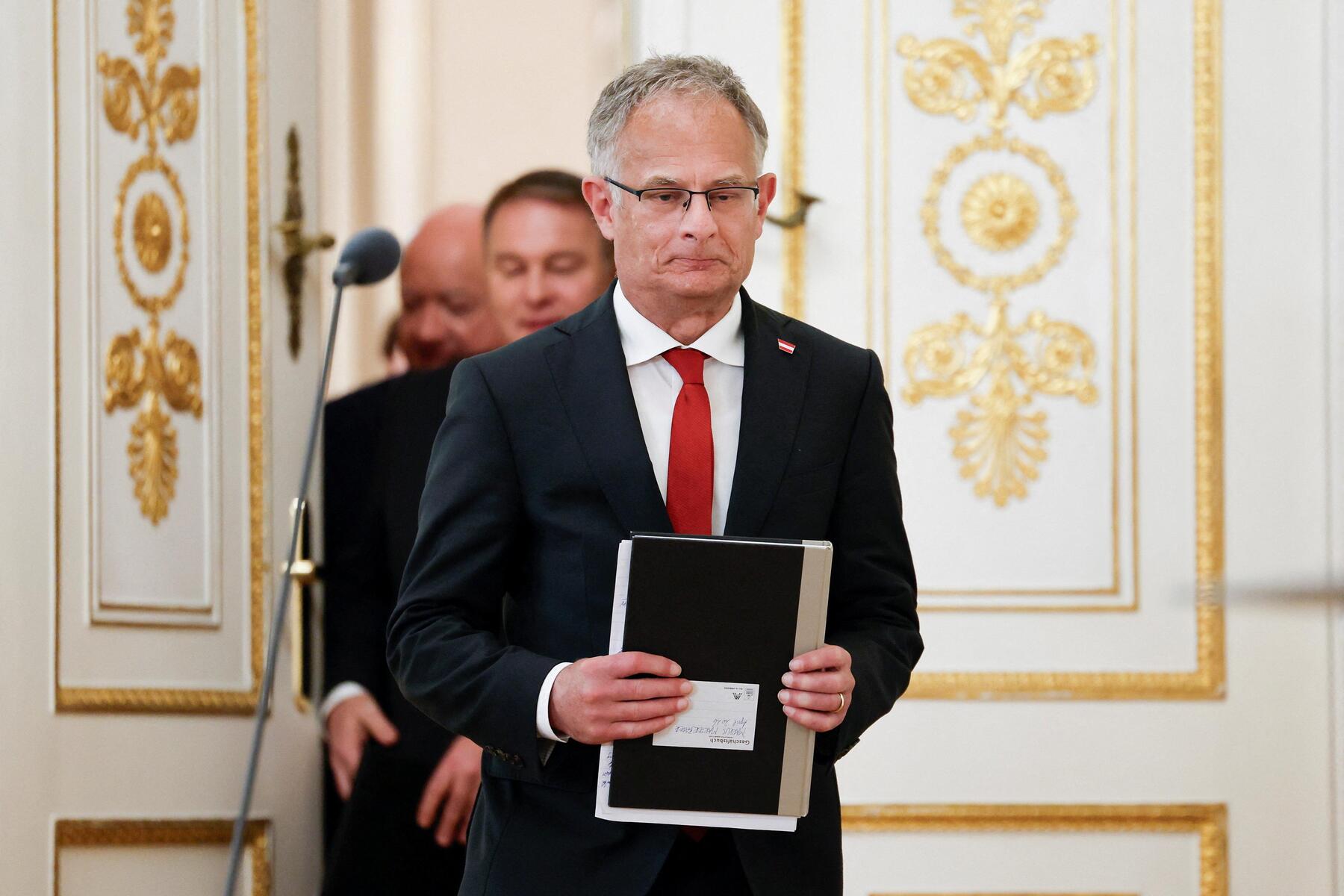
Chancellor Christian Stocker defended the budget, however, calling it a "major achievement" and a necessary tool to exit the EU's deficit procedure and stimulate economic recovery. He acknowledged that austerity measures would be felt but insisted they were essential for fiscal consolidation. Stocker highlighted government initiatives such as a historic reduction in ancillary wage costs, the reintroduction of agricultural diesel subsidies, and increased defense spending as positive impulses within the budget.
This is nothing more than a hollow promise.
DistantNews Editorial
Originally published by Die Presse in German. Translated, summarized, and contextualized by our editorial team with added local perspective. Read our editorial standards.
More Stories


From Our Blog

What Gets Lost (and Found) When News Is Translated

The Critical Role of Diaspora Media in Global News

What Travellers Should Know About Countries with Restricted Press

A Digital Nomad's Guide to Following Local News

How the Same Story Looks Different in Different Countries
