


The Tax State and 'Broad Shoulders'
Translated from German, summarized and contextualized by DistantNews.
At a glance
Analysis
Sources not specified
New plan
- Austria's Finance Minister is set to deliver a budget speech, with discussions focusing on increasing contributions from those with "broad shoulders."
- The term "broad shoulders" refers to wealthy individuals and higher earners, who are seen by some political factions as undertaxed and capable of contributing more to state finances.
- Critics argue that this approach unfairly targets middle-class earners and entrepreneurs, potentially leading to brain drain and increased public discontent.
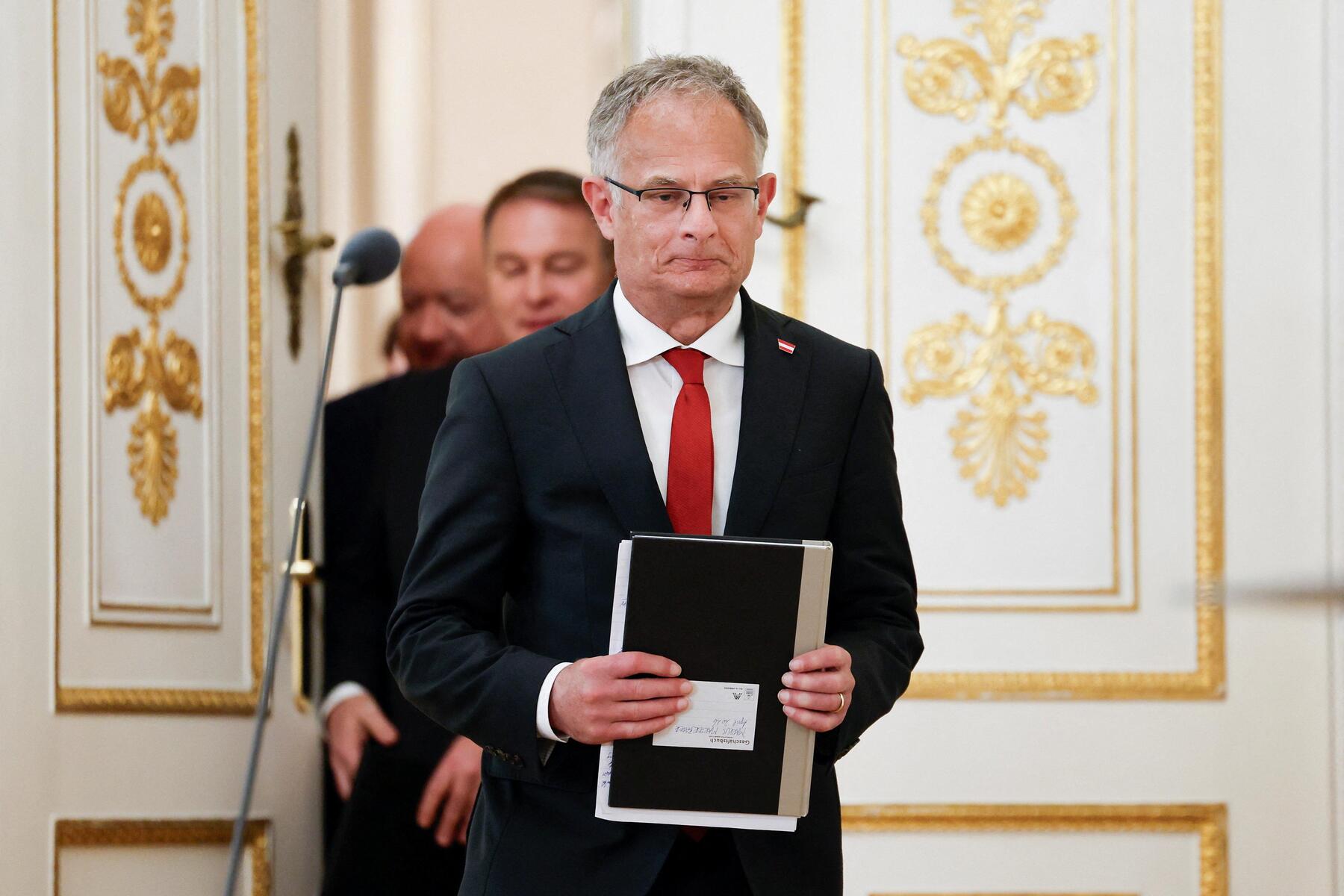
Austria's Finance Minister is poised to present the budget for 2027/28, a moment that highlights a contentious debate over fiscal responsibility and who should bear the burden of state finances. The prevailing sentiment, particularly within the SPÖ party, suggests that individuals with "broad shoulders" are not contributing enough to the nation's well-being and should therefore shoulder a greater share of the fiscal consolidation.
This concept of "broad shoulders" primarily targets banks, entrepreneurs, capitalists, millionaires, and billionaires. However, the article points out that it also extends to higher-earning employees and civil servants. These individuals are considered "easier targets" for taxation because they cannot easily relocate to more tax-friendly jurisdictions, unlike the ultra-wealthy. The current system already sees the top ten percent of income earners paying over half of all income tax, a situation that becomes even more skewed when state transfers are factored in, leaving the social welfare system largely funded by this top decile.
The article warns that pushing this tax burden too far could lead to significant public discontent, evidenced by shifts in party preferences and the increasing emigration of skilled professionals. When highly sought-after individuals can simply leave for better opportunities abroad, it creates a void that is often filled by less-qualified immigrants. This trend is detrimental to an advanced industrial nation reliant on innovation, and it represents a decades-long political shift, particularly within the SPÖ, moving away from the "performance, progress, security" ethos of the Kreisky era towards a system that appears to support those living off the contributions of others.
The author expresses concern that this approach is unsustainable for a developed industrial country that depends on innovation. The gradual departure of qualified workers and their replacement by less-skilled immigrants is a subtle but damaging process. The article suggests that the political landscape has shifted over decades, with parties like the SPÖ moving from a focus on upward mobility for workers to a patronage of those who benefit from the system without contributing proportionally, alienating their traditional base of ambitious workers and small employees.
DistantNews Editorial
Originally published by Die Presse in German. Translated, summarized, and contextualized by our editorial team with added local perspective. Read our editorial standards.
More Stories

From Our Blog

What Gets Lost (and Found) When News Is Translated

The Critical Role of Diaspora Media in Global News

What Travellers Should Know About Countries with Restricted Press

A Digital Nomad's Guide to Following Local News

How the Same Story Looks Different in Different Countries
