

Ortega abolishes elections, turning Nicaragua into a family state
Translated from Croatian, summarized and contextualized by DistantNews.
At a glance
News
Sources not specified
New plan
- Nicaraguan President Daniel Ortega announced the country will no longer hold elections, effectively consolidating his and his wife's power.
- Ortega, who has been in power since 2007, stated this move closes all avenues for opposition challenges.
- The announcement came during a speech commemorating the 1979 Sandinist Revolution.
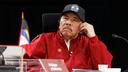
Nicaraguan President Daniel Ortega, 80, declared this week that the Central American nation will cease holding elections, a move that further cements his and his wife Rosario Murillo's control over every facet of the government, including the armed forces and judiciary.
Ortega, who has been in continuous power since 2007 following an earlier presidential term in the 1980s, stated that this decision will shut down any possibility for the opposition to challenge his rule. He did not provide specific details on how this ban would be implemented, but his intent is clear: to eliminate electoral competition.
"There will be no more elections here where they try to take over the government and power," Ortega said during a speech on Sunday, July 19. The address commemorated the 1979 Sandinist Revolution, during which Ortega helped overthrow the U.S.-backed Anastasio Somoza dictatorship. This latest move appears to signal the end of democratic processes in Nicaragua under his leadership.
Ortega's long tenure has been marked by increasing authoritarianism. By eliminating elections, he effectively creates a dynastic rule, ensuring his family's continued grip on power. This decision is expected to draw significant international condemnation and further isolate Nicaragua politically.
There will be no more elections here where they try to take over the government and power.
DistantNews Editorial
Originally published by Večernji List in Croatian. Translated, summarized, and contextualized by our editorial team with added local perspective. Read our editorial standards.
More Stories
From Our Blog

What Gets Lost (and Found) When News Is Translated

The Critical Role of Diaspora Media in Global News

What Travellers Should Know About Countries with Restricted Press

A Digital Nomad's Guide to Following Local News

How the Same Story Looks Different in Different Countries
