


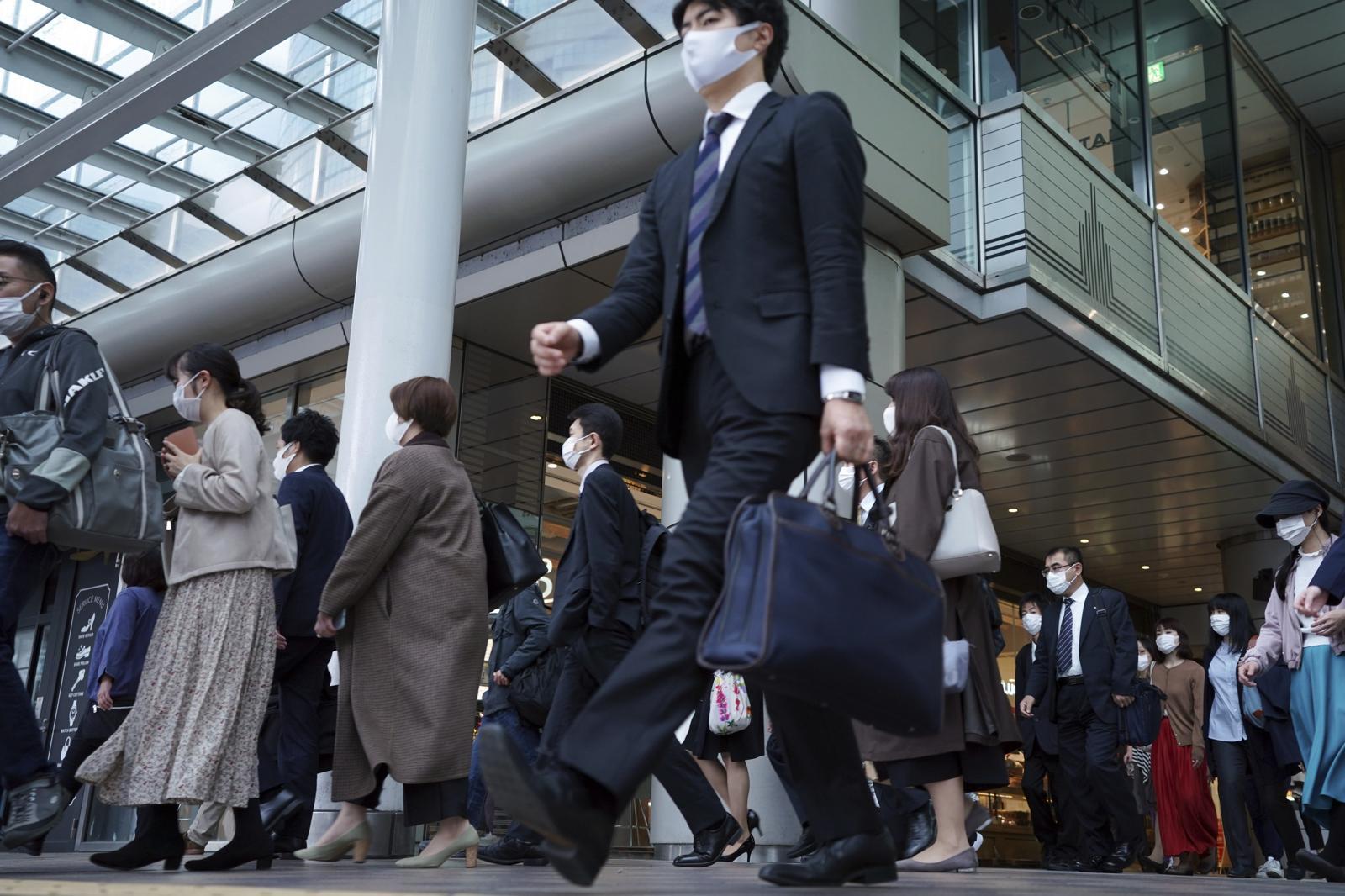
Over Half of Japanese 20-Somethings 'Quiet Quitting'
Translated from Korean, summarized and contextualized by DistantNews.
TLDR
- Over half of Japanese employees in their 20s are engaged in 'quiet quitting,' a trend where they work only within their defined hours and responsibilities.
- The survey indicates that 46.7% of all respondents aged 20-59 are quiet quitting, a slight increase from the previous year.
- Many employees cite a lack of specific reasons or a desire to avoid increased responsibility as motivations, while a growing number of managers are accepting this work style.
A significant shift in workplace attitudes is emerging in Japan, with a recent survey revealing that more than half of employees in their 20s are participating in 'quiet quitting.' This phenomenon, characterized by a commitment to fulfilling only the minimum job requirements within set hours, reflects a growing detachment from the traditional work ethic that emphasized dedication beyond the call of duty. The findings, released by the employment information company Mynavi, suggest a broader trend affecting nearly half of all full-time workers surveyed across age groups.
The survey indicates that 46.7% of all respondents aged 20-59 are quiet quitting, a slight increase from the previous year.
The survey highlights that 46.7% of respondents aged 20 to 59 reported engaging in quiet quitting, a figure that has seen a marginal increase. Notably, within the 20s demographic, this number rises to 50.5%, indicating a particularly strong adoption of this work style among younger professionals. A substantial majority of those practicing quiet quitting, 73.7%, expressed a desire to maintain their current approach, signaling a potential long-term change in employee expectations. Conversely, only 12.1% indicated a willingness to abandon quiet quitting if a special opportunity arose, a decrease from the previous year.
Among those in their 20s, this figure exceeds 50%, with 50.5% reporting they are currently quiet quitting.
When asked about the reasons behind their quiet quitting, a significant portion of respondents, 27.6%, stated there was no particular reason. However, other common responses included a desire to avoid increased responsibility (18.8%), dissatisfaction with workplace evaluations (17%), and a general aversion to change (20.6%). Intriguingly, Japanese corporate managers appear to be increasingly accepting of this trend. A separate survey of 807 managers found that 42.2% approved of quiet quitting, compared to 30.1% who opposed it. Many managers cited the necessity of having employees who at least perform their assigned duties, even if without extra effort, to maintain company operations. This evolving dynamic suggests a recalibration of employer-employee expectations in the Japanese labor market.
A significant portion of respondents, 27.6%, stated there was no particular reason.
DistantNews Editorial
Originally published by Dong-A Ilbo in Korean. Translated, summarized, and contextualized by our editorial team with added local perspective. Read our editorial standards.
More Stories



From Our Blog

What Gets Lost (and Found) When News Is Translated

The Critical Role of Diaspora Media in Global News

What Travellers Should Know About Countries with Restricted Press

A Digital Nomad's Guide to Following Local News

How the Same Story Looks Different in Different Countries
