

Pakistan approves new oil refining policy to modernize industry
Translated from English, summarized and contextualized by DistantNews.
At a glance
News
Official statement
New plan
- Pakistan's government has approved a new Brownfield Refining Policy aimed at modernizing the country's petroleum refineries.
- The policy, which includes investment stability, tax incentives, and foreign exchange provisions, is expected to attract approximately $6 billion in investment.
- Upgrades will focus on improving product quality to meet Euro-V emission standards, increasing production of motor spirit and diesel, and reducing furnace oil output.
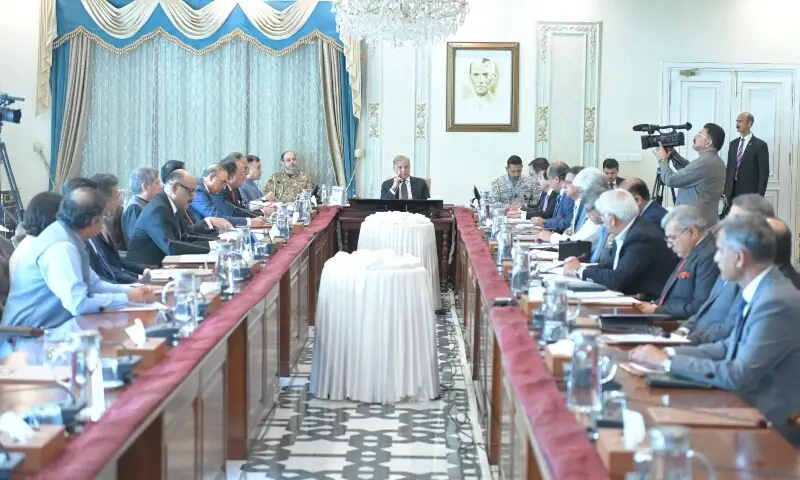
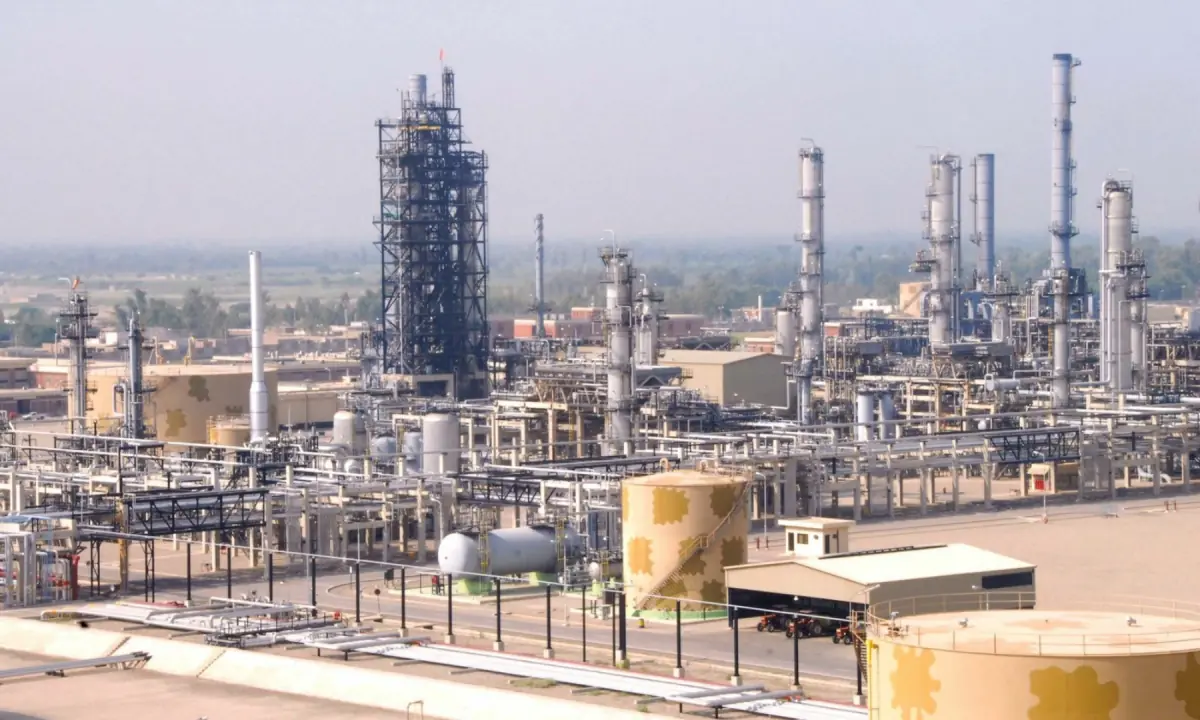
After a six-year stalemate, Pakistan's government has greenlit the Brownfield Refining Policy, a move designed to overhaul the nation's petroleum refineries. The policy, approved by the Cabinet Committee on Energy, aims to modernize existing facilities with an estimated investment of $6 billion, enhancing both product quality and production capacity.
The newly approved policy offers crucial stability clauses to safeguard investments, along with tax incentives and provisions for foreign exchange accounts. These measures are intended to facilitate the import of necessary machinery while managing the export of furnace oil. Furthermore, the policy seeks to bolster energy security by increasing offshore and onshore storage capabilities.
Revised from an original 2023 proposal, this policy supersedes all prior refining strategies. The five existing refineries are mandated to upgrade their operations to improve product quality, quantity, and mix. This will lead to a significant increase in the production of motor spirit (petrol) and high-speed diesel (HSD), while simultaneously reducing the output of furnace oil.
Specifically, the policy projects a 72% increase in petrol production, reaching 18,400 tonnes per day (TPD) from the current 10,700 TPD. HSD output is expected to rise by 39% to 29,520 TPD from 21,240 TPD. Conversely, furnace oil production is slated to decrease by 63%, from 15,417 TPD to 5,714 TPD. A key objective is to produce environmentally friendly fuels compliant with Euro-V emission standards, which mandate a maximum of 10 parts per million (ppm) of sulphur in gasoline and diesel, a significant improvement over the 50 ppm allowed under Euro IV and 350 ppm under Euro III.
Refineries committing to these upgrades will be eligible for incentives under the new policy. The selection of technology and equipment will be project-specific. The policy also allows refineries to sell products to any licensed oil-marketing companies (OMCs) and to export surplus products, subject to regulatory approval. Binding agreements between refineries and OMCs are expected to ensure a smooth supply chain. The Petroleum Division will issue Euro-V fuel specifications within a month, with provisions for future adjustments.
DistantNews Editorial
Originally published by Dawn in English. Translated, summarized, and contextualized by our editorial team with added local perspective. Read our editorial standards.
More Stories

From Our Blog

What Gets Lost (and Found) When News Is Translated

The Critical Role of Diaspora Media in Global News

What Travellers Should Know About Countries with Restricted Press

A Digital Nomad's Guide to Following Local News

How the Same Story Looks Different in Different Countries
