

Pakistan creates fund to stabilize petroleum prices
Translated from English, summarized and contextualized by DistantNews.
At a glance
News
Official statement
New plan
- Pakistan's government has established a price stabilization fund for petroleum products to mitigate price shocks.
- The fund will be credited with proceeds from petroleum price stabilization, with operating procedures to be finalized by relevant divisions.
- The initiative aims to use savings from potential price advantages on oil imports to stabilize consumer prices, rather than benefiting importing companies.
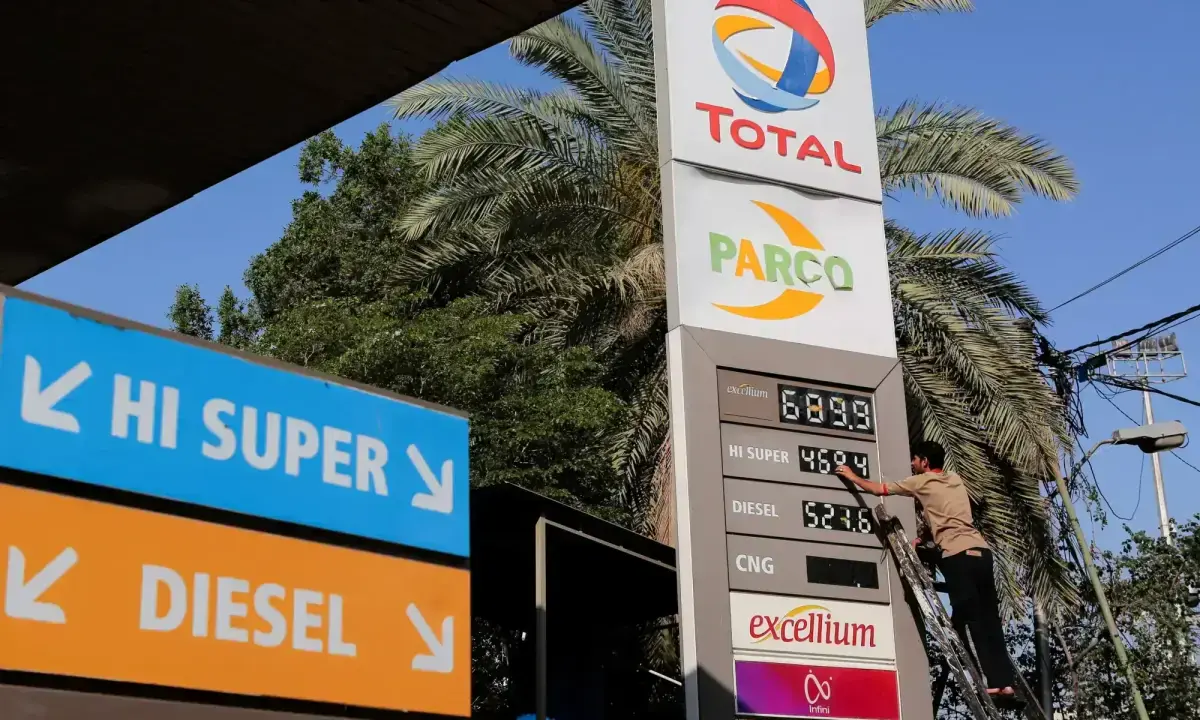
Pakistan's government has officially established a price stabilization fund for petroleum products, a move designed to cushion consumers from volatile global oil prices. The decision, stemming from a federal cabinet meeting on June 5, was formally notified by the Ministry of Finance.
All revenue generated for the Petroleum Prices Stabilization Fund will be deposited into the Public Account of the Federation under a 'Special Deposit Fund' head. The finance division, petroleum division, and the Oil and Gas Regulatory Authority (Ogra) will collaborate to finalize the fund's operating procedures and modalities, adhering to legal and financial requirements.
The fund's creation addresses the need for a formal mechanism to manage price fluctuations, particularly in light of recent significant price hikes attributed to the US-Israel war on Iran. While the government has previously secured oil cargos directly, yielding savings, these actions were ad hoc. The new fund aims to formalize the channeling of savings from potential price advantages, sourced from unconventional imports or specialized storage, directly into price stabilization, preventing these benefits from solely accruing to oil-importing companies and refineries.
DistantNews Editorial
Originally published by Dawn in English. Translated, summarized, and contextualized by our editorial team with added local perspective. Read our editorial standards.
More Stories
From Our Blog

What Gets Lost (and Found) When News Is Translated

The Critical Role of Diaspora Media in Global News

What Travellers Should Know About Countries with Restricted Press

A Digital Nomad's Guide to Following Local News

How the Same Story Looks Different in Different Countries
