

Pakistan experiences back-to-back ‘warmest years’
Summarized and contextualized by DistantNews.
At a glance
News
Sources not specified
Context piece
- Pakistan experienced its second-warmest year on record in 2025, following its warmest year in 65 years in 2024.
- The extreme heat has intensified floods and poses a systemic risk to the nation's economy.
- Northern areas, including Azad Jammu and Kashmir, Gilgit-Baltistan, and Khyber Pakhtunkhwa, recorded their highest annual temperatures in 65 years.
Pakistan endured its second-hottest year on record in 2025, a stark continuation of a dangerous warming trend that saw 2024 become the warmest year in 65 years. This escalating heat poses a significant threat to the nation's economy and exacerbates extreme weather events like floods.
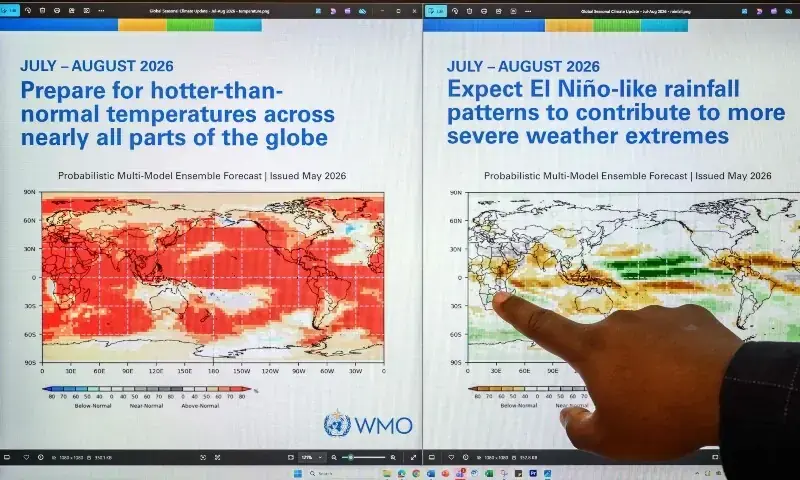
The northern regions of Pakistan, including Azad Jammu and Kashmir, Gilgit-Baltistan, and Khyber Pakhtunkhwa, registered their highest annual temperatures in 65 years. This intense heat is not confined to Pakistan; Europe has seen over 200,000 heat-related deaths since 2022, and the El Nino phenomenon threatens to worsen global weather extremes.
Compounding the climate crisis, the monsoon season has been delayed in India, a neighboring country with significant weather system overlap with Pakistan. This delay could further disrupt agricultural patterns and water availability in the region.
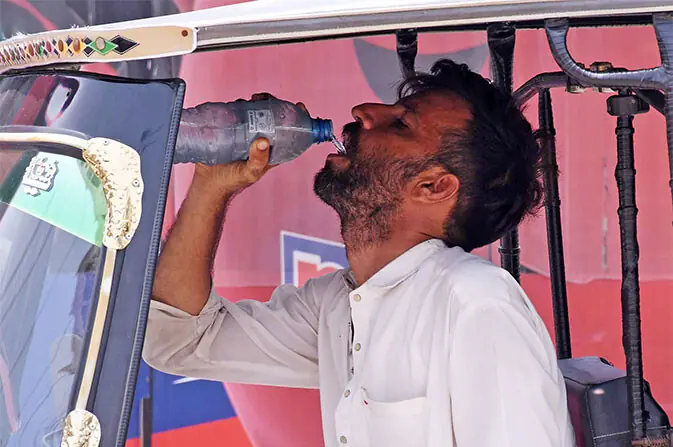
The extreme heat has tangible impacts on daily life, as illustrated by a rickshaw driver in Karachi struggling with feels-like temperatures exceeding 54 degrees Celsius. The systemic risk to Pakistan's economy is immense, affecting agriculture, water resources, and public health.
DistantNews Editorial
Originally published by Dawn. Summarized and contextualized by our editorial team with added local perspective. Read our editorial standards.
More Stories
From Our Blog

What Gets Lost (and Found) When News Is Translated

The Critical Role of Diaspora Media in Global News

What Travellers Should Know About Countries with Restricted Press

A Digital Nomad's Guide to Following Local News

How the Same Story Looks Different in Different Countries
