

Pakistan Leads Efforts for Second Round of US-Iran Talks Amid Ceasefire Strain
Translated from English, summarized and contextualized by DistantNews.
TLDR
- Pakistan, along with regional powers, is actively pursuing a second round of US-Iran talks to prevent a relapse into confrontation.
- The immediate priority is extending the current ceasefire, which is under strain but holding, with efforts underway to resolve outstanding issues.
- Structural differences, including US demands for nuclear program constraints and Iran's insistence on sanctions relief and sovereign rights, remain central obstacles to a comprehensive agreement.
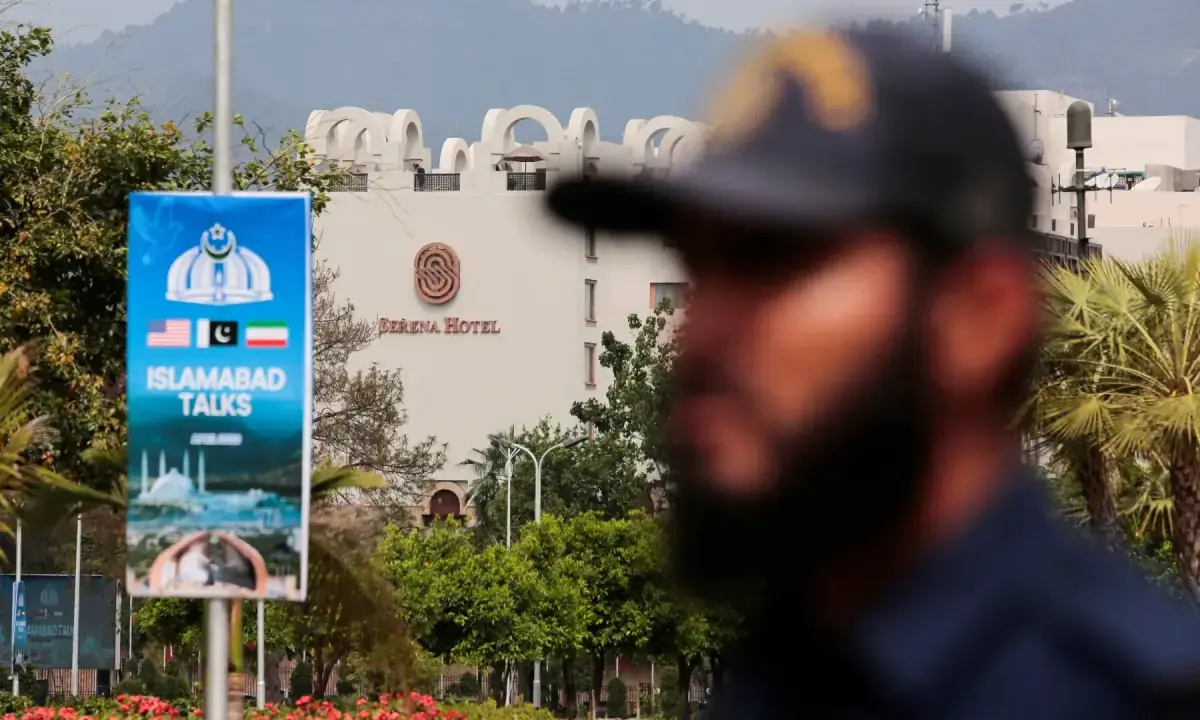
Pakistan is playing a pivotal role in facilitating renewed dialogue between the United States and Iran, demonstrating its commitment to regional stability and de-escalation. In coordination with other key regional players and major global powers, Islamabad is actively engaged in back-channel exchanges aimed at bringing Tehran and Washington back to the negotiating table. This diplomatic push underscores Pakistan's strategic position and its willingness to leverage its influence to prevent the fragile peace process from unraveling into further confrontation.
In Islamabad, for 21 hours, direct talks were held. I am a witness to it. We worked day and night. Ceasefire is still there. There are a few hurdles, and efforts are underway to resolve them.
Prime Minister Shehbaz Sharif has emphasized that the current ceasefire, brokered on April 7, remains the immediate priority, despite being under considerable strain. He confirmed that direct talks were held in Islamabad for 21 hours, involving tireless efforts from Pakistan's leadership to bridge the divide. While acknowledging that a few hurdles remain, Sharif expressed confidence that these issues are being addressed, signaling a continued commitment to maintaining the truce. This focus on extending the ceasefire highlights the delicate nature of the current situation and the critical need for continued diplomatic engagement.
The ceasefire between the US and Iran, brokered on April 7 after weeks of conflict, is set to expire on April 22. While technically intact, it is increasingly precarious.
The path to a comprehensive agreement, however, remains fraught with challenges stemming from fundamental disagreements. The US seeks long-term commitments regarding Iran's nuclear program, including enrichment limits and safeguards against weaponization, alongside unimpeded passage through the Strait of Hormuz. Conversely, Iran insists on the recognition of its sovereign rights under international law, comprehensive sanctions relief, and credible guarantees before making any irreversible concessions. The differing perspectives on sequencing – with Washington viewing Iranian concessions as a prerequisite and Tehran demanding trust-building measures first – have created a circular deadlock, underscoring the complexity of the negotiations.
Washington viewed Iranian concessions as a prerequisite for broader settlement, while Tehran demanded that trust-building measures and guarantees should come first. This inversion kept both sides locked in a circular deadlock, according to diplomats.
DistantNews Editorial
Originally published by Dawn in English. Translated, summarized, and contextualized by our editorial team with added local perspective. Read our editorial standards.
More Stories
From Our Blog

What Gets Lost (and Found) When News Is Translated

The Critical Role of Diaspora Media in Global News

What Travellers Should Know About Countries with Restricted Press

A Digital Nomad's Guide to Following Local News

How the Same Story Looks Different in Different Countries
