

Pakistan's Climate Choices: Addressing Record Heat and Future Risks
Translated from English, summarized and contextualized by DistantNews.
At a glance
Analysis
Documents & data
Context piece
- Pakistan experienced its second-warmest year on record in 2025, following the warmest year in 2024, with rising temperatures accelerating glacial melt and altering monsoon patterns.
- The government has allocated approximately Rs214 billion for climate-tagged expenditure and Rs476 billion for green subsidies in the 2026-27 budget.
- Despite increased allocations, Pakistan faces a significant challenge, requiring an estimated $565.7 billion by 2035, raising questions about whether current spending matches the scale of the climate crisis.
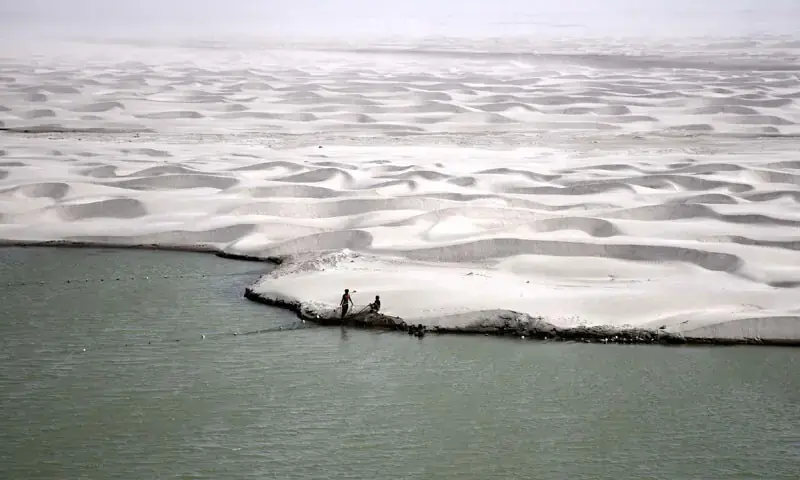
Pakistan is facing an escalating climate crisis, with 2025 marking the second-warmest year on record, immediately after 2024, the warmest year recorded in 65 years. Regions like Azad Kashmir, Gilgit-Baltistan, and Khyber Pakhtunkhwa have seen unprecedented annual temperature highs. These extreme temperatures are intensifying glacial melt, disrupting monsoon seasons, and increasing rainfall variability, leading to more volatile weather patterns that impact agriculture, infrastructure, public health, and economic planning.
The government's budget for 2026-27 reflects a growing acknowledgment of these climate realities. Climate-related expenditures are projected at around Rs214 billion, with an additional Rs476 billion allocated for green subsidies, totaling nearly Rs690 billion directed towards climate goals. Initiatives like the Pakistan Climate Prosperity Plan and glacier resilience projects are also underway, alongside efforts to improve climate financing.
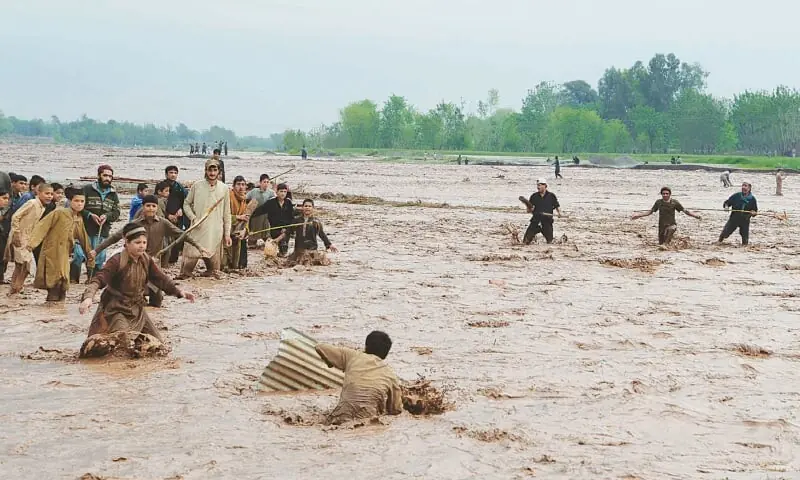
However, the effectiveness of climate policy hinges on more than just budgetary figures. Pakistan's most severe risks, floods, heatwaves, water scarcity, and agricultural disruption, demand sustained investment in adaptation and resilience, rather than reactive post-disaster responses. The true measure of climate policy lies in a community's vulnerability during extreme weather events, not merely in the number of plans announced.
Significant financial challenges remain, as the Economic Survey estimates Pakistan will need approximately $565.7 billion for climate-related investments by 2035. Current allocations appear modest against this benchmark, prompting questions about whether the scale of spending aligns with the magnitude of the described challenge. A country experiencing consecutive record-warm years may need to prioritize climate resilience with a larger share of public resources, especially considering that the costs of delayed action likely outweigh those of prevention and preparedness.
Furthermore, the composition of climate spending warrants scrutiny. While emission reduction is crucial, immediate vulnerabilities necessitate a stronger focus on adaptation measures. Investments in enhanced flood defenses, robust urban drainage systems, improved water management, climate-resilient agriculture, and effective early-warning systems are critical for navigating a warmer future. These investments not only mitigate losses from climate shocks but also safeguard economic activity and public welfare. The budget indicates that climate considerations are entering fiscal planning, which is positive. However, two consecutive record-warm years suggest that realization alone is insufficient; the central question remains whether Pakistan is investing adequately and in the right areas to address its climate crisis.
DistantNews Editorial
Originally published by Dawn in English. Translated, summarized, and contextualized by our editorial team with added local perspective. Read our editorial standards.
More Stories

From Our Blog

What Gets Lost (and Found) When News Is Translated

The Critical Role of Diaspora Media in Global News

What Travellers Should Know About Countries with Restricted Press

A Digital Nomad's Guide to Following Local News

How the Same Story Looks Different in Different Countries
