

Pakistan's Economy: The Unmeasured Contributions of Unpaid Labor
Translated from English, summarized and contextualized by DistantNews.
At a glance
News
Sources not specified
Context piece
- A significant portion of Pakistan's productive work, including unpaid household labor and family business contributions, is not reflected in official GDP figures.
- This unmeasured economic activity, encompassing tasks like meal preparation, childcare, and farm work, occurs before the formal economy begins.
- The discussion around Pakistan's economy often overlooks these unpaid contributions, despite their crucial role in household and community functioning.
Pakistan's economy is often discussed through the lens of measured growth, exports, and investment. However, a substantial part of the nation's productive output remains invisible in official statistics. This includes the unpaid labor that underpins households and family businesses.
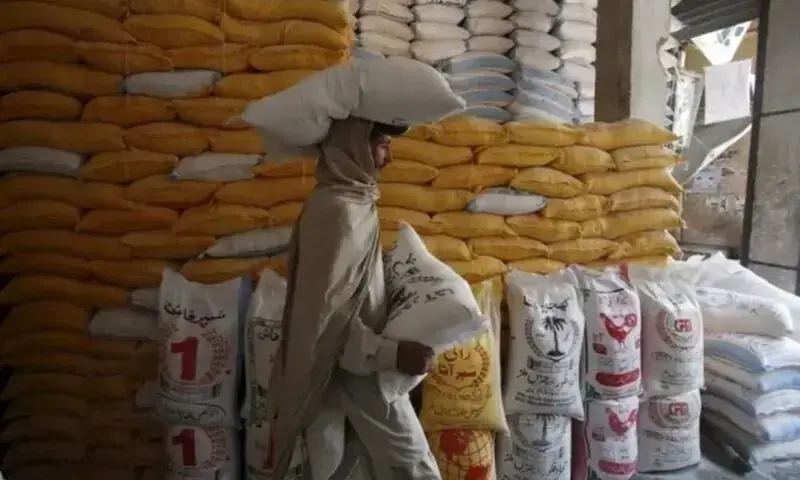
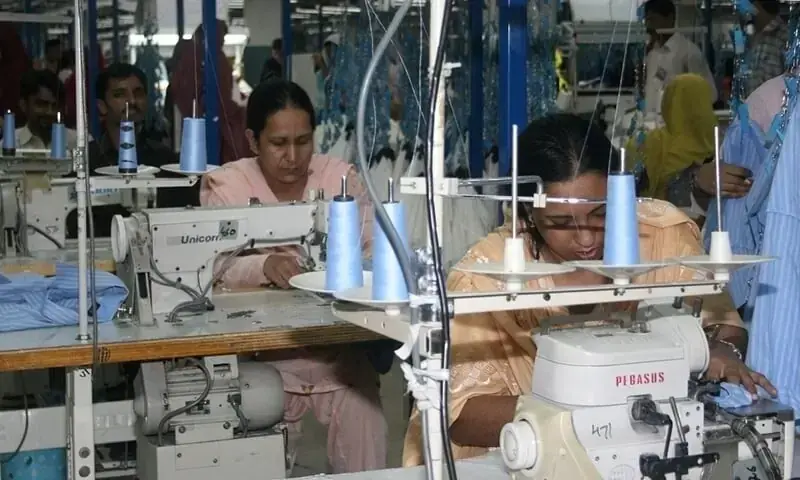
Every day, countless individuals in Pakistan engage in essential work before formal economic activities commence. This ranges from milking dairy animals at dawn to preparing meals, cleaning homes, caring for children and the elderly, and managing family farms and shops without receiving a wage. This extensive, uncompensated effort ensures the smooth operation of daily life.
Despite its significance, this unpaid work is largely absent from Pakistan's Gross Domestic Product (GDP) calculations. The national economic discourse, therefore, centers on a partial picture, overlooking the foundational contributions of a large segment of the population. This omission highlights a critical gap in how economic productivity is understood and measured in the country.
DistantNews Editorial
Originally published by Dawn in English. Translated, summarized, and contextualized by our editorial team with added local perspective. Read our editorial standards.
More Stories
From Our Blog

What Gets Lost (and Found) When News Is Translated

The Critical Role of Diaspora Media in Global News

What Travellers Should Know About Countries with Restricted Press

A Digital Nomad's Guide to Following Local News

How the Same Story Looks Different in Different Countries
