


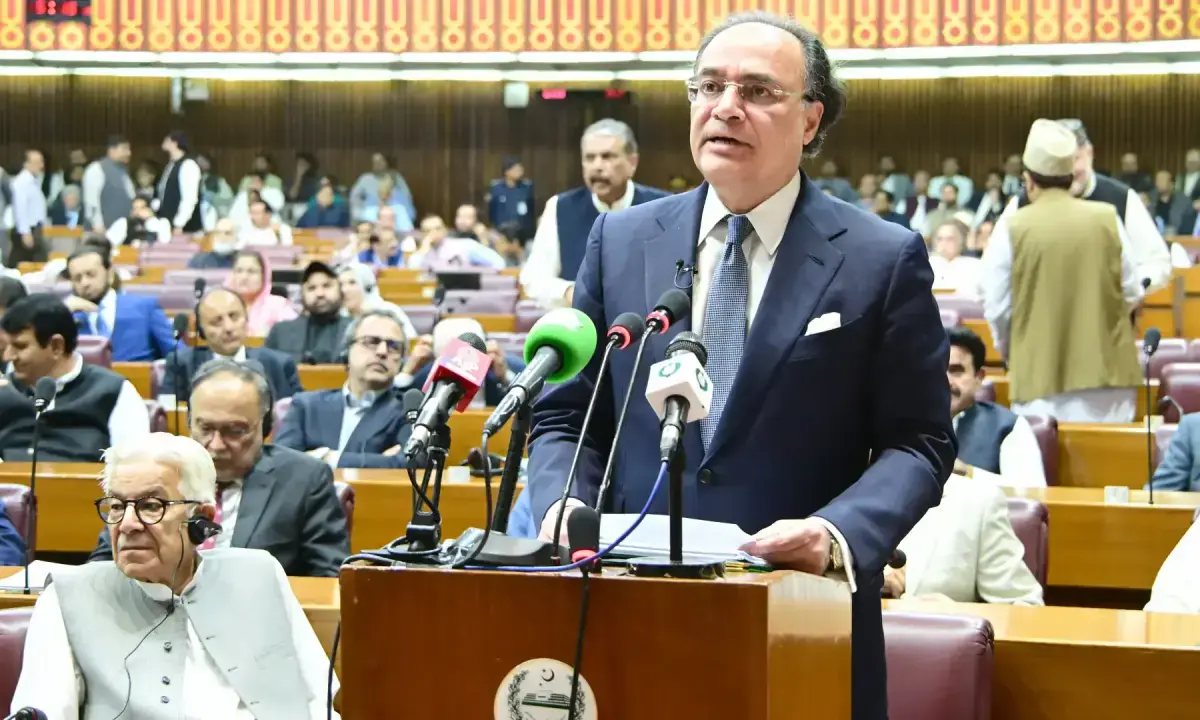
Pakistan's FY27 budget: A sustainable path to growth?
Translated from English, summarized and contextualized by DistantNews.
At a glance
Analysis
Sources not specified
Context piece
- Pakistan's FY27 budget signals a shift from stabilization to growth, aiming for 4% moderate growth without breaching IMF targets.
- Relief measures include reducing the super tax, introducing real estate stimulus, and offering export incentives to rebuild consumption and confidence.
- The growth strategy heavily relies on the real estate sector, a historically unreliable foundation prone to speculative bubbles and diversion of capital from productive investment.
Pakistan's budget for fiscal year 2027 marks a deliberate pivot from economic stabilization to growth, signaling the government's belief that the worst of the austerity period is over. The plan aims for a moderate 4% growth rate, carefully navigating International Monetary Fund (IMF) macroeconomic targets. This shift is accompanied by genuine relief measures, including a reduction in the super tax for businesses with profits under Rs500 million, a stimulus package for the real estate and housing sectors, and incentives for exporters.
These measures are designed to rebuild domestic consumption, restore private sector confidence, and stimulate visible economic activity. Salaried workers are expected to have more disposable income, and exporters will face lower advance minimum income taxes. The government is clearly attempting to foster a more dynamic economy after three years of what it describes as painful austerity and demand compression.
However, the sustainability of this growth strategy is questioned, as it leans heavily on the real estate sector. Measures like halved property transaction taxes, abolished deemed income tax, significant housing subsidies, and reduced construction input duties are central to the growth push. This approach mirrors past strategies under previous governments, which often resulted in short-lived construction booms, speculative asset inflation, and capital diverted from more productive investments, eventually leading to prolonged downturns.
A significant challenge looms in the Federal Board of Revenue's (FBR) revenue target of Rs15.26 trillion, an 18% increase over the current year, despite tax rate reductions across multiple categories. Should the FBR fall short, the government faces difficult choices: cutting the Public Sector Development Program (PSDP), seeking an IMF exemption on the primary surplus, or implementing a mini-budget, none of which are desirable options. The budget's consolidated deficit also masks the federal government's failure to reduce its own expenditure, instead extracting Rs1 trillion from provincial shares until FY29, compelling provinces to generate surpluses to meet fiscal consolidation targets. This is described as fiscal consolidation by subtraction rather than reform, with the center unwilling to cut its own spending while forcing provinces to run surpluses, effectively redistributing the burden.
DistantNews Editorial
Originally published by Dawn in English. Translated, summarized, and contextualized by our editorial team with added local perspective. Read our editorial standards.
More Stories


From Our Blog

What Gets Lost (and Found) When News Is Translated

The Critical Role of Diaspora Media in Global News

What Travellers Should Know About Countries with Restricted Press

A Digital Nomad's Guide to Following Local News

How the Same Story Looks Different in Different Countries
