

Pakistan's Petroleum Levy Collection Hits Record High Amid Rising Costs
Translated from English, summarized and contextualized by DistantNews.
At a glance
News
Documents & data
Context piece
- Pakistan collected a record Rs1.57 trillion in petroleum levies in fiscal year 2025-26, driven by high consumer oil prices following attacks on Iran.
- The cost of running the civil government increased by 16% to over Rs1 trillion, despite austerity measures.
- The fiscal deficit was contained at 2.6% of GDP due to provincial surpluses and lower interest payments, while the primary surplus reached a record 2.9% of GDP.
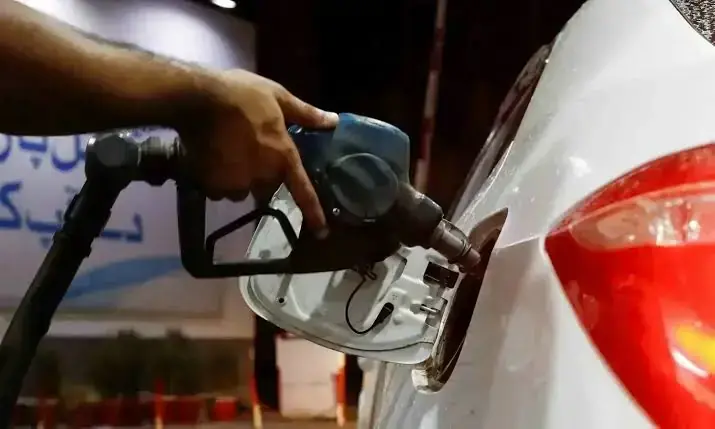
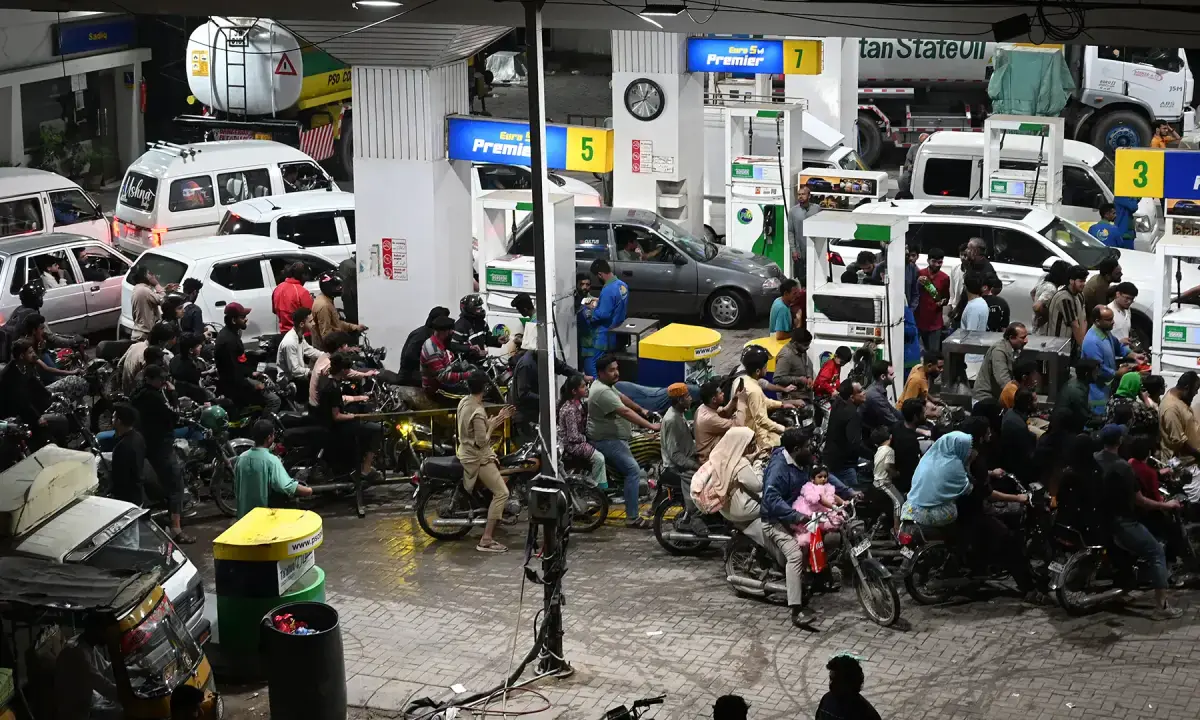
Pakistan's petroleum levy collection reached an unprecedented Rs1.57 trillion in the fiscal year 2025-26, a significant increase attributed to elevated consumer oil prices partly influenced by the US-Israel attacks on Iran. This surge in revenue collection occurred even as the cost of operating the civil government rose by 16 percent, surpassing Rs1 trillion for the first time.
Despite implementing restructuring and austerity policies, the expenditure on the civil government climbed to Rs1.033 trillion from Rs892 billion in the previous fiscal year. Defence spending also saw an increase of 18 percent, reaching Rs2.588 trillion. However, the government managed to contain the overall fiscal deficit to 2.6 percent of GDP, the lowest since fiscal year 2003.
This fiscal improvement was bolstered by substantial cash surpluses from the provinces and a notable reduction in interest payments. Consequently, the primary surplus, which excludes debt servicing costs, achieved a historic high of 2.9 percent of GDP. The Federal Board of Revenue's collection, while falling short of its target, still saw an almost 11 percent increase compared to the previous year.
DistantNews Editorial
Originally published by Dawn in English. Translated, summarized, and contextualized by our editorial team with added local perspective. Read our editorial standards.
More Stories

From Our Blog

What Gets Lost (and Found) When News Is Translated

The Critical Role of Diaspora Media in Global News

What Travellers Should Know About Countries with Restricted Press

A Digital Nomad's Guide to Following Local News

How the Same Story Looks Different in Different Countries
