


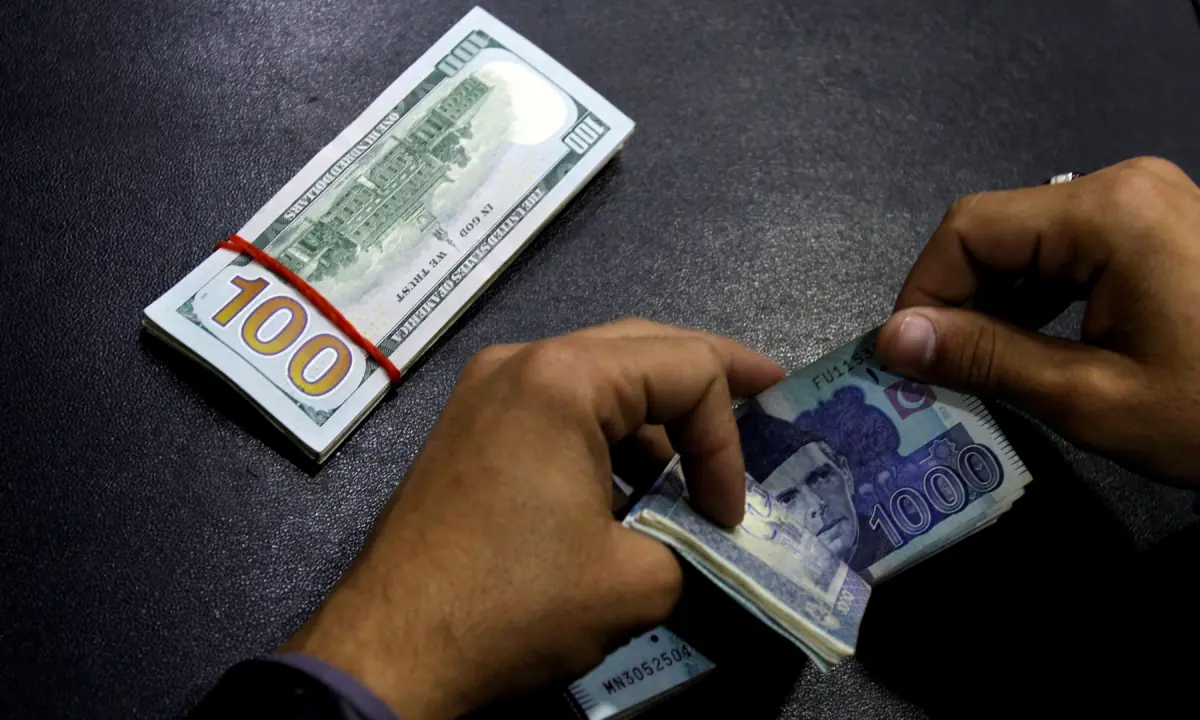
The geopolitics behind Pakistan’s $10 billion US request
Summarized and contextualized by DistantNews.
At a glance
News
Sources not specified
Context piece
- Pakistan has requested a $10 billion currency-swap facility from the United States.
- The request comes as Pakistan plays a diplomatic role between the US and Iran, seeking economic relief through geopolitical relevance.
- A US facility would place Pakistan at the intersection of competing monetary networks, alongside its existing swap arrangement with China.
Pakistan has reportedly approached the United States with a request for a $10 billion currency-swap facility. This significant financial ask comes at a critical juncture, with the US engaged in conflict with Iran and Pakistan serving as a diplomatic conduit between Washington and Tehran. Islamabad is leveraging its geopolitical standing in an attempt to secure economic assistance.
The specifics of Pakistan's proposal remain undisclosed. Details regarding its legal framework, interest rates, repayment terms, conditions, and intended uses have not been made public. The facility may not be approved, and even if it is, Pakistan might not utilize it. However, the mere possibility of such an arrangement underscores the intertwined nature of global finance and power dynamics.
Pakistan already maintains a substantial currency-swap arrangement with China, which supports trade in renminbi, promotes the currency's internationalization, and bolsters Beijing's political influence. The addition of a US dollar liquidity facility would position Pakistan at a nexus of two major, competing monetary systems. While China's swap lines foster trade and influence, Washington's provision of dollar liquidity reinforces the dollar-centric financial order and rewards strategic partners.
Both China and the US offer financial liquidity with clear geopolitical considerations. Pakistan's pursuit of a US facility suggests a strategic move to diversify its financial relationships and potentially gain leverage by navigating between these two economic powers. The outcome of this request will offer insights into the evolving landscape of international finance and geopolitical alliances.
DistantNews Editorial
Originally published by Dawn. Summarized and contextualized by our editorial team with added local perspective. Read our editorial standards.
More Stories
From Our Blog

What Gets Lost (and Found) When News Is Translated

The Critical Role of Diaspora Media in Global News

What Travellers Should Know About Countries with Restricted Press

A Digital Nomad's Guide to Following Local News

How the Same Story Looks Different in Different Countries
