

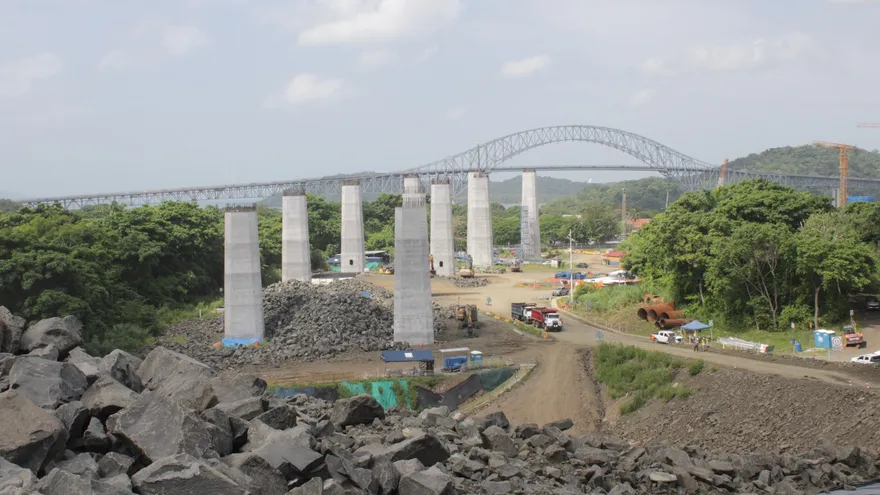
Panama Canal marks 10 years of expansion, eyes new challenges in water, infrastructure, and geopolitics
Translated from Spanish, summarized and contextualized by DistantNews.
At a glance
News
Named sources
Context piece
- The Panama Canal celebrates 10 years since its expansion, facing new challenges beyond construction.
- Key issues include accommodating larger ships, climate change impacts, and geopolitical tensions.
- The canal is also developing new logistical initiatives, including ports and a gas pipeline, to enhance its capacity.
Ten years after its expansion, the Panama Canal is shifting its focus from construction to addressing new challenges, including water scarcity, infrastructure needs, and geopolitical shifts. Ilya Espino de Marotta, the designated administrator of the Panama Canal Authority (ACP), stated that the primary challenge is no longer building new locks but preparing the interoceanic route for an era of increasingly larger vessels, the effects of climate change, logistical competition, and geopolitical tensions.
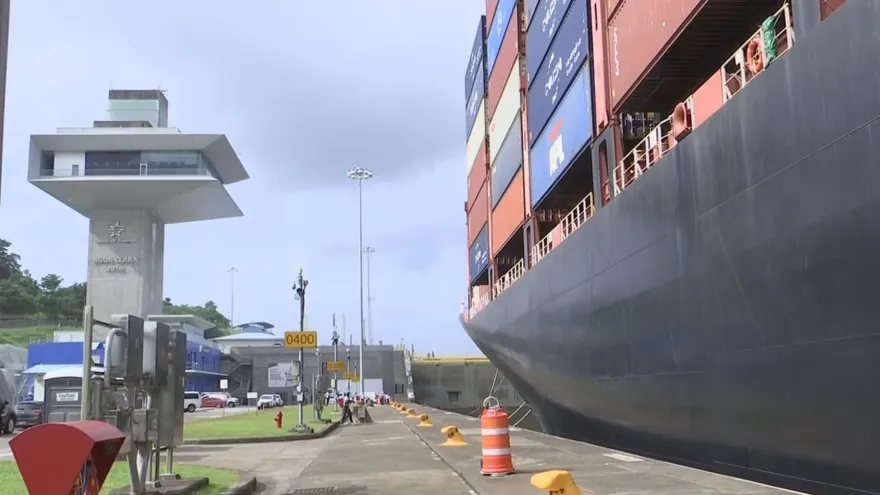
During the commemoration of the canal's first decade of operation, Espino highlighted that the expansion project exceeded initial expectations. The evolution of maritime trade has necessitated continuous improvements. "When we conceived the expansion, we thought a 12,000-container ship would be the largest to transit. Then we broke that record and went to 14,000. Now we have broken that record and reached 17,000 containers," she explained, noting that even larger vessels are anticipated.
Espino also pointed out that over the past decade, the canal has optimized its operations to accommodate larger vessels. "In the operational part, we have allowed for an increase in ship length, and now, by changing some fenders for narrower floating fenders, we even aim to increase ship width," she said. This growth, she emphasized, has been possible due to the teamwork of the canal's personnel, including pilots, tugboat captains, and line handlers, all committed to providing excellent service.
Looking ahead, Espino identified ensuring sufficient water resources for the canal's operation as a major challenge for the next decade. Despite facing a very dry 2023, the ACP has implemented water-saving measures and operational improvements, preparing for potential future droughts. Beyond water management, the ACP is developing initiatives to bolster Panama's logistics platform, including plans for two new ports on the Atlantic and Pacific sides and a gas pipeline to transport energy products across the isthmus without using ships. The canal administration continuously monitors global markets to adapt to changing conditions.
DistantNews Editorial
Originally published by TVN Panamá in Spanish. Translated, summarized, and contextualized by our editorial team with added local perspective. Read our editorial standards.
More Stories

From Our Blog

What Gets Lost (and Found) When News Is Translated

The Critical Role of Diaspora Media in Global News

What Travellers Should Know About Countries with Restricted Press

A Digital Nomad's Guide to Following Local News

How the Same Story Looks Different in Different Countries
