

Panama Canal Reinforces Water Savings Amid El Niño Forecast and Record Dry June
Translated from Spanish, summarized and contextualized by DistantNews.
At a glance
News
Named sources
Ongoing story
- The Panama Canal is implementing water-saving measures and reinforcing reserves due to the predicted arrival of a potentially intense El Niño.
- June 2026 was one of the driest on record for the canal's watershed, impacting reservoir levels.
- The canal is adjusting draft limits for Neopanamax vessels to manage water scarcity while ensuring supply for both shipping and Panama's population.
With forecasts predicting a new, potentially more intense El Niño episode, the Panama Canal is bolstering its water reserves and implementing stringent conservation measures. This proactive approach aims to secure sufficient water for both the transit of large vessels and the daily needs of millions of Panamanians, especially after experiencing significant drought conditions in 2023.
during 2026 already we have begun to observe a precipitation deficit in the canal watershed.
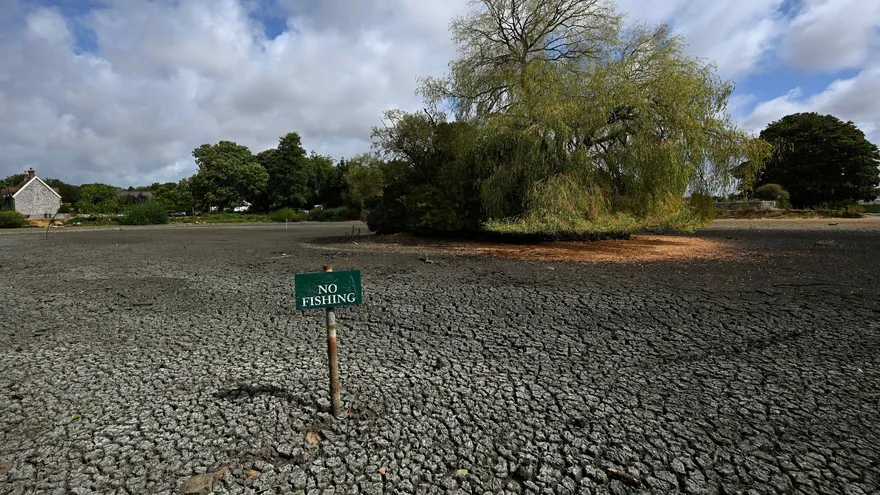
Erick Córdoba, manager of Hydrometeorology at the Panama Canal Authority (ACP), highlighted that precipitation deficits have been observed in the canal's watershed since early 2026. Although January and February saw favorable rainfall, the rainy season, which began around May, has recorded precipitation levels below historical averages. Notably, June 2026 marked one of the driest months recorded in the canal's watershed since 1950, directly affecting the water levels in the Gatun and Alajuela reservoirs.
In response to these climate projections, the ACP began implementing water-saving measures in late 2025. These include reducing water consumption during lock operations and enhancing water reuse systems. The authority is developing new mechanisms to recapture water used in the Neopanamax and Panamax locks and has installed additional pumping systems to guarantee water supply to the Miraflores water treatment plant. The goal is to enter the next dry season with adequate reserves to sustain both the canal's operations and the public's drinking water supply.
June 2026 was one of the driest Junes recorded in the canal watershed since 1950, a situation that has already had repercussions on reservoir levels.
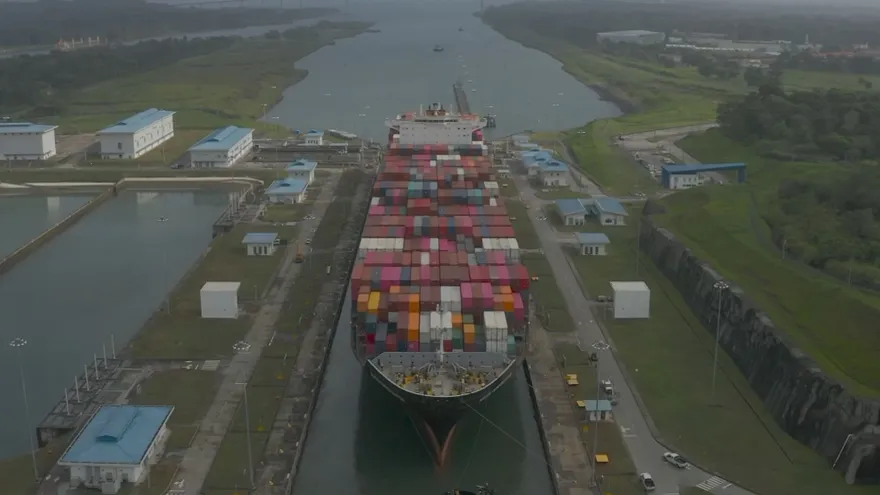
The ACP has been monitoring the risk of an El Niño event since late 2025 and has already put preventive water conservation measures into effect. A sustained decrease in lake levels could necessitate progressive reductions in the maximum allowed draft for Neopanamax vessels, the largest ships using the expanded locks. Current adjustments allow drafts up to 47.5 feet for Neopanamax ships, though the ACP clarified this does not necessarily mean a reduction in daily transits. Experts consider maintaining transits for Panamax vessels the most challenging scenario, while Neopanamax ships might face draft restrictions.
the adjustments announced recently contemplate drafts of up to 47.5 feet for Neopanamax, although he clarified that this does not necessarily mean a reduction in the number of daily transits.
DistantNews Editorial
Originally published by TVN Panamá in Spanish. Translated, summarized, and contextualized by our editorial team with added local perspective. Read our editorial standards.
More Stories

From Our Blog

What Gets Lost (and Found) When News Is Translated

The Critical Role of Diaspora Media in Global News

What Travellers Should Know About Countries with Restricted Press

A Digital Nomad's Guide to Following Local News

How the Same Story Looks Different in Different Countries
