

Panama formalizes plastic reduction roadmap, eyes taxes on single-use items
Translated from Spanish, summarized and contextualized by DistantNews.
At a glance
News
Official statement
New plan
- Panama's Ministry of Environment has formalized a roadmap to address plastic pollution, including potential taxes on single-use products.
- The strategy aims to reduce plastic waste and promote a circular economy, with a goal of cutting plastic pollution by 67% and increasing circularity to 58% by 2040.
- The plan acknowledges that over 88% of Panama's plastic waste was inadequately managed in 2022, highlighting the urgency of the issue.
Panama's Ministry of Environment (MiAmbiente) has officially adopted a "Roadmap for Action on Plastics," a comprehensive strategy designed to combat plastic pollution and transition towards a circular economy. The plan, formalized through Resolution DM-0351-2026 and published in the Official Gazette, outlines a series of measures, including the potential implementation of taxes or fees on single-use plastic products to discourage their production and consumption.
The roadmap, developed in May 2025, serves as the national guide for reducing plastic contamination. While it does not immediately impose new taxes, it identifies fiscal measures as a key regulatory tool for future development. Beyond potential taxes, the strategy proposes setting targets for reducing avoidable plastics, regulating unnecessary packaging formats, mandating minimum recycled content in products, and establishing standards for reusable containers. It also calls for implementing an extended producer responsibility system with defined timelines, making manufacturers and importers accountable for the end-of-life management of their packaging.
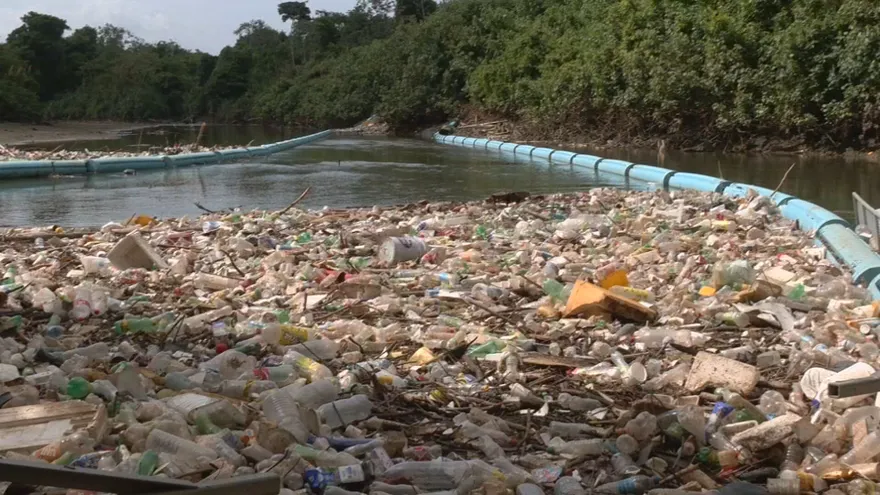
The initiative is driven by alarming data: Panama generated over 380,000 tons of plastic waste in 2022, averaging about 90 kilograms per inhabitant. Critically, more than 88% of this waste, approximately 336,000 tons, was improperly disposed of in landfills, burned openly, or ended up polluting land and waterways. Only about 5,000 tons were recycled, resulting in a mere 1% circularity rate. Furthermore, waste collection services show significant disparities, with 93% coverage in urban areas but only 38% in rural regions.
Without decisive action, MiAmbiente projects a staggering 140% increase in plastic waste by 2040, reaching 913,000 tons annually, with about 809,000 tons being inadequately managed. The roadmap aims to counteract this trend by significantly reducing plastic pollution by 67% and boosting the circularity rate to 58% within the same timeframe. Key proposals include expanding collection services in rural and informal settlements and promoting household waste separation.
DistantNews Editorial
Originally published by TVN Panamá in Spanish. Translated, summarized, and contextualized by our editorial team with added local perspective. Read our editorial standards.
More Stories
From Our Blog

What Gets Lost (and Found) When News Is Translated

The Critical Role of Diaspora Media in Global News

What Travellers Should Know About Countries with Restricted Press

A Digital Nomad's Guide to Following Local News

How the Same Story Looks Different in Different Countries
