

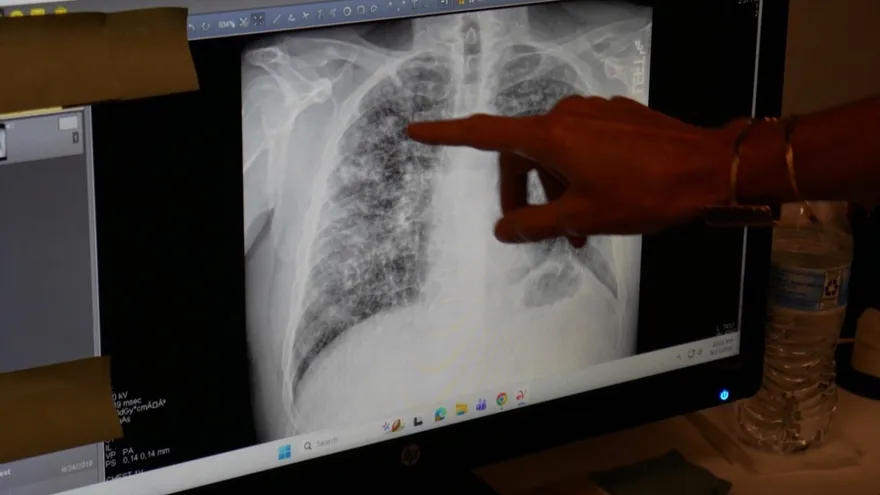

Panama health officials urge vigilance for severe dengue symptoms amid rising cases
Translated from Spanish, summarized and contextualized by DistantNews.
At a glance
News
Sources not specified
Context piece
- Panama's Ministry of Health urges vigilance for dengue symptoms due to rising cases and risk of severe illness.
- Dengue is classified into three categories: without warning signs, with warning signs, and severe dengue, guiding medical attention.
- Key warning signs include intense abdominal pain, persistent vomiting, dizziness, low blood pressure, and bleeding, requiring immediate medical care.
Panama's Ministry of Health (Minsa) is calling for heightened public awareness of dengue symptoms as cases rise and the risk of severe illness increases. Recognizing the signs and seeking timely medical attention are crucial for preventing complications, especially in the initial days of infection.
Dr. Israel Cedeño, head of Minsa's National Department of Health and Comprehensive Care, explained the current classification of dengue: without warning signs, with warning signs, and severe dengue. This system helps determine a patient's risk level and guides appropriate medical treatment. He noted that the classification was updated over a decade ago, moving away from terms like "classic dengue" and "hemorrhagic dengue."
Symptoms of dengue without warning signs include high fever, severe headache, pain behind the eyes, muscle and joint aches, and general malaise. While these may seem manageable, Cedeño advises continued medical monitoring. The situation becomes more critical when warning signs appear, such as intense and persistent abdominal pain, continuous vomiting, dizziness or fainting, low blood pressure, and bleeding from the gums or other mucous membranes. Immediate medical attention is recommended for these symptoms.
Currently, dengue is classified into three categories: dengue without warning signs, dengue with warning signs, and severe dengue. This classification allows us to determine the level of risk and guide medical attention.
Severe dengue, the most critical form, can lead to shock, affect multiple organs, and cause significant deterioration, necessitating specialized hospital care. Cedeño highlighted that delayed treatment is a primary factor in dengue complications and fatalities in Panama, with some patients seeking help only in advanced stages after attempting self-treatment. He stressed the importance of not waiting for symptoms to worsen or resorting to self-medication.
Beyond symptom recognition, health authorities emphasize prevention through eliminating mosquito breeding sites. Regular checks of yards and surroundings for potential breeding grounds of the Aedes aegypti mosquito, the primary vector, are essential.
One of the main factors related to complications and deaths from dengue in Panama is delayed attention. Some patients arrive at hospitals when the disease is already in an advanced stage, after having tried to treat the initial symptoms on their own.
DistantNews Editorial
Originally published by TVN Panamá in Spanish. Translated, summarized, and contextualized by our editorial team with added local perspective. Read our editorial standards.
More Stories

From Our Blog

What Gets Lost (and Found) When News Is Translated

The Critical Role of Diaspora Media in Global News

What Travellers Should Know About Countries with Restricted Press

A Digital Nomad's Guide to Following Local News

How the Same Story Looks Different in Different Countries
