


Panama proposes jail time for AI-generated fake content; officials seek right to sue
Translated from Spanish and summarized by DistantNews. Read the original for the full story.
At a glance
News
Named sources
New plan
- Panama's government is considering a bill to criminalize the creation and dissemination of fake content generated by artificial intelligence.
- The proposed law seeks to establish prison sentences for offenses that harm a person's honor or dignity through AI-generated images, voice, or likeness.
- A separate proposal aims to allow public officials to file criminal complaints for slander and libel, a right currently restricted in certain circumstances.
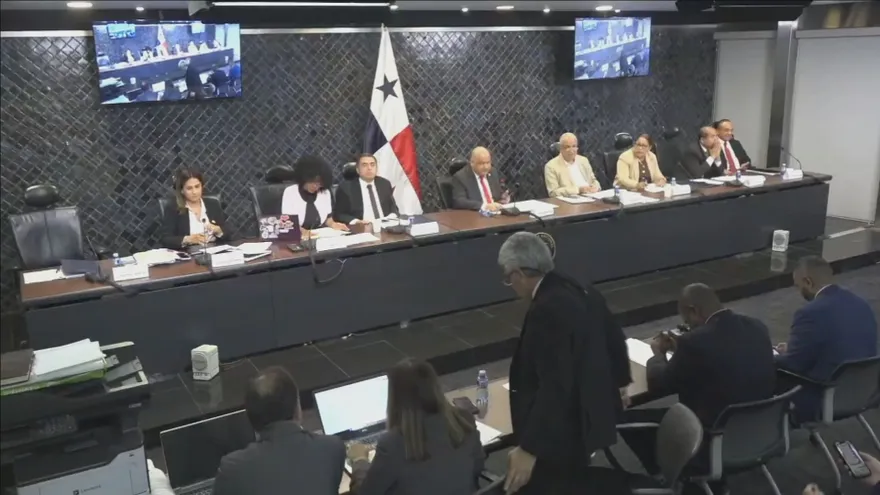
Panama's National Assembly is grappling with the implications of artificial intelligence, advancing a bill that proposes jail time for those who create and spread fake content using AI technologies. The legislation, which passed through the Government Commission with eight votes in favor and one abstention, aims to update the penal code to address new forms of digital deception.
The bill specifically targets the use of AI, voice cloning, and image manipulation to create, alter, or disseminate digital content that reproduces a person's likeness without consent. If enacted, offenders could face prison sentences ranging from three to six years. This marks a significant shift from the current penal code, which, since 2007, has imposed fines rather than jail time for defamation and slander offenses.
Adding another layer to the debate, legislator Luis Eduardo Camacho announced his intention to propose an amendment allowing public officials to file criminal complaints for slander and injury. This move comes amid discussions on bill No. 51, which seeks to modify the penal code regarding offenses against honor, particularly concerning private individuals. The proposal received support from the head of the Government Commission, Benicio Robinson, who stressed the need for accountability for those spreading falsehoods.
The legislative push opens a complex discussion on balancing the protection of honor and reputation with the exercise of freedom of expression, especially concerning public figures and officials. Current legal provisions, as outlined in Article 196 of the Penal Code, restrict public servants, elected officials, and governors from pursuing criminal charges for defamation and slander under specific conditions, though civil liability may still apply. The proposed changes aim to address these limitations, potentially reshaping how public discourse and personal reputation are protected in the digital age.
What I would like to know is that if someone dared to say a falsehood on networks, whatever it may be, that they pay for it.
About this summary
Originally published by TVN Panamá in Spanish. Translated, summarized, and contextualized automatically by DistantNews, with a note on how the source frames the story. Not individually reviewed before publishing. How this works.
More Stories


From Our Blog

What Gets Lost (and Found) When News Is Translated

The Critical Role of Diaspora Media in Global News

What Travellers Should Know About Countries with Restricted Press

A Digital Nomad's Guide to Following Local News

How the Same Story Looks Different in Different Countries
