

Panama sets deadlines for cemetery closures for Río Indio reservoir project
Translated from Spanish, summarized and contextualized by DistantNews.
At a glance
News
Official statement
New plan
- Panama's executive branch has set deadlines for closing eight community cemeteries to make way for the Río Indio multipurpose reservoir project.
- New burials will be prohibited starting July 30, 2026, in one cemetery and by January 15, 2027, in the other seven.
- The Canal Authority of Panama (ACP) will cover the costs of exhumation, transportation, and reburial for affected families.
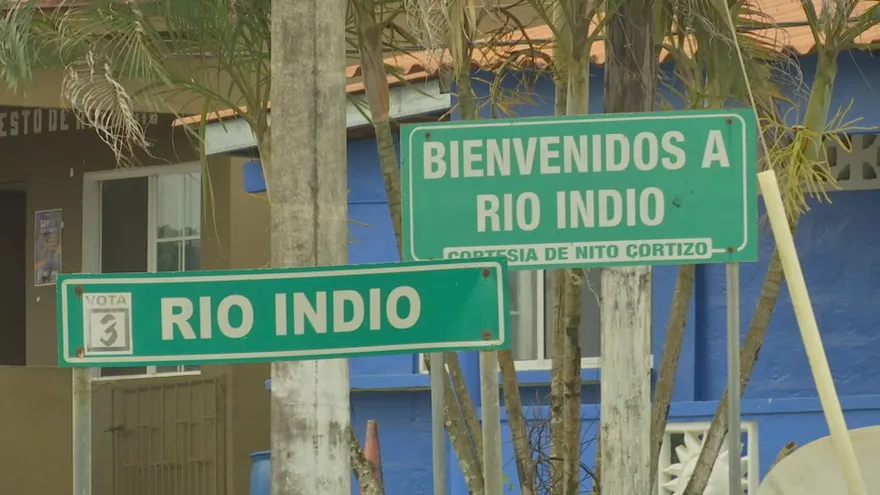
Panama's government has established deadlines for the closure and relocation of eight community cemeteries to facilitate the Río Indio multipurpose reservoir project. The executive branch decreed that new burials will be prohibited in the El Limón cemetery starting July 30, 2026. For seven other cemeteries, the deadline for new inhumations is January 15, 2027. These cemeteries are located in Colón and Panamá Oeste provinces.
Once these deadlines pass, the cemeteries will cease receiving new burials and will begin a gradual closure. This measure is necessary because sanitary regulations prohibit cemeteries in areas prone to flooding. The Authority of the Panama Canal (ACP) is overseeing this resettlement process.
The decree also permits the exceptional and temporary exhumation of human remains, provided at least 18 months have passed since the last burial and regional health authorities approve. The ACP and local authorities will bear all costs associated with the exhumation, transportation, and reburial of remains in new cemeteries within the resettlement areas. They will also cover the cost of replacing any existing niches, headstones, or mausoleums with equivalent or superior ones.
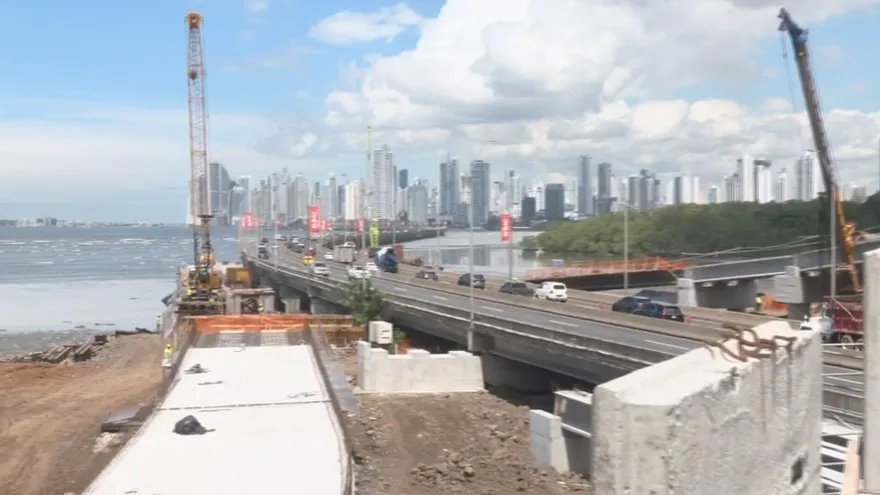
The Río Indio reservoir project, declared of public interest in August 2025, aims to enhance water availability for the Panama Canal's operation and for public consumption. It includes the construction of a dam, a diversion tunnel, auxiliary dams, and access roads.
DistantNews Editorial
Originally published by TVN Panamá in Spanish. Translated, summarized, and contextualized by our editorial team with added local perspective. Read our editorial standards.
More Stories

From Our Blog

What Gets Lost (and Found) When News Is Translated

The Critical Role of Diaspora Media in Global News

What Travellers Should Know About Countries with Restricted Press

A Digital Nomad's Guide to Following Local News

How the Same Story Looks Different in Different Countries
