


Parents Work 'In the Phone'? Vietnam Grapples with Blurring Work-Life Boundaries
Translated from Vietnamese, summarized and contextualized by DistantNews.
At a glance
In-depth
Sources not specified
Context piece
- Many modern workers leave their offices but remain connected to their jobs through their phones, blurring work-life boundaries.
- Children are increasingly asking parents if they work "in the company or in the phone," highlighting the constant connectivity.
- This perpetual availability stems from fear of slow responses, perceived lack of responsibility, missed opportunities, or simply not wanting to be the only one not replying.
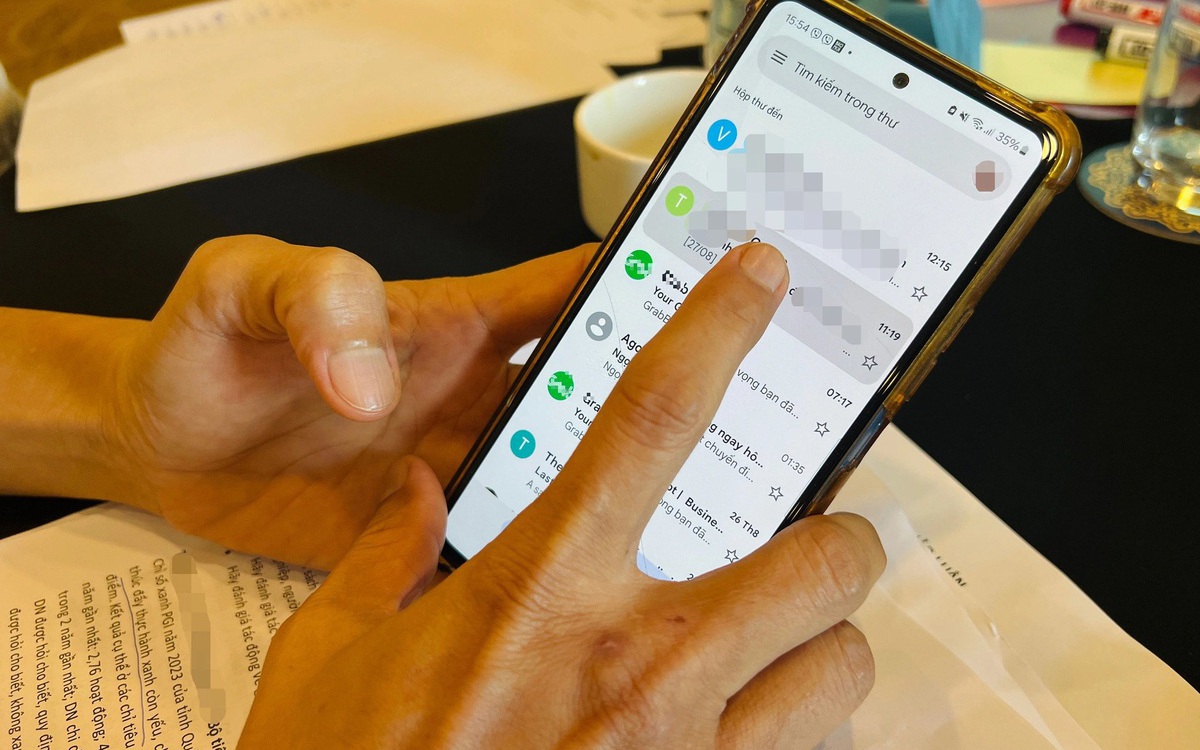
The modern workplace has created a paradox where employees leave their offices at the end of the day but never truly disconnect. Even after closing their laptops and stepping away from their desks, work follows them home through a constant stream of calls, late emails, and phone notifications, intruding on personal time.
Mom, do you work at the company or in the phone?
This pervasive connectivity is so normalized that children are beginning to question their parents' work lives. One mother shared that her son innocently asked, "Mom, do you work at the company or in the phone?" This question underscores how deeply integrated work has become into the home environment, often extending late into the night.
IT engineer Anh Phong described becoming accustomed to keeping his phone by his side, even while sleeping, due to working with international partners across different time zones. He realized after several years that he no longer felt a sense of "leaving work." Similarly, a 28-year-old HR employee admitted to carrying her phone into the bathroom, placing it on the table during meals with friends, and checking work apps even while on vacation, admitting, "I don't remember the last time I completely disconnected from work."
At first, I thought I'd just work a little longer to finish the job. After a few years, I realized I no longer felt like I was leaving work.
This state of constant availability is driven by a fear of slow responses, being perceived as irresponsible, missing opportunities, or being the sole individual not engaging with work communications. This anxiety silently transforms the smartphone into a tether, binding work to every moment of personal respite. Minh, a 25-year-old marketing employee, once took pride in his rapid response times, answering clients during meals and editing content on weekends, but now finds himself unable to truly switch off.
I don't remember the last time I completely disconnected from work.
DistantNews Editorial
Originally published by Tuổi Trẻ in Vietnamese. Translated, summarized, and contextualized by our editorial team with added local perspective. Read our editorial standards.
More Stories


From Our Blog

What Gets Lost (and Found) When News Is Translated

The Critical Role of Diaspora Media in Global News

What Travellers Should Know About Countries with Restricted Press

A Digital Nomad's Guide to Following Local News

How the Same Story Looks Different in Different Countries
