


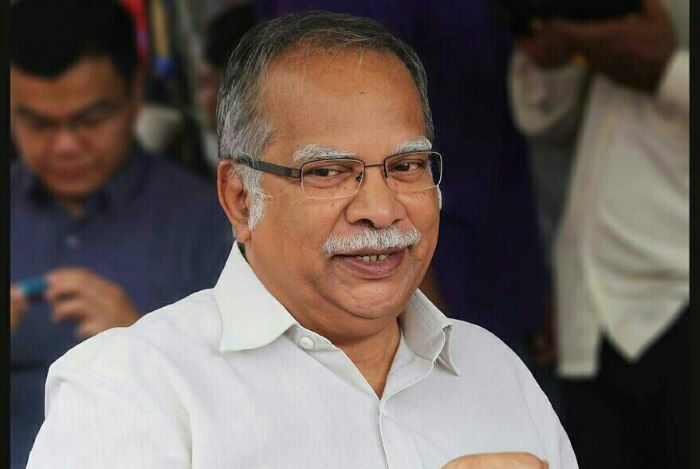
PAS's split with Bersatu driven by jealousy, not principles: Ramasamy
Translated from Malay, summarized and contextualized by DistantNews.
At a glance
News
Named sources
Context piece
- PAS's decision to break ties with Bersatu was allegedly driven by jealousy over Bersatu's growing influence, not principles.
- P. Ramasamy claims PAS fears Bersatu will surpass its political standing within the opposition bloc.
- PAS is reportedly seeking to revive the Muafakat Nasional concept to align with UMNO and other Malay parties.
The decision by PAS to end its political cooperation with Parti Pribumi Bersatu Malaysia (Bersatu) was reportedly fueled by jealousy over Bersatu's expanding influence, rather than any adherence to principles, according to P. Ramasamy, founder of the Malaysian United Party for People's Rights (Urimai).
I think the real reason Pas decided to break up with Bersatu was not because of the reasons mentioned, but more because of jealousy.
Ramasamy suggested that the reasons cited by PAS leadership, concerning political crises in Perlis and Negeri Sembilan and the dismissal of Bersatu leaders, were merely justifications to sever ties. He believes PAS is primarily concerned that Bersatu's continued growth could eventually overshadow PAS's own political standing within the opposition coalition.
According to Ramasamy, PAS recognizes the current political landscape differs from previous elections. The party appears to be exploring a revival of the Muafakat Nasional (MN) concept, aiming to forge alliances with UMNO and other Malay-centric parties, including the Reset team led by former Bersatu Deputy President Datuk Seri Hamzah Zainudin. This move signals PAS's intention to distance itself from Bersatu while opening avenues for new political collaborations.
Basically, Pas wants to ensure that the increase in Bersatu's popularity can be blocked before it grows further.
Ramasamy posits that PAS leaders believe reviving MN is key to achieving national power, allowing them to simultaneously break from Bersatu and pursue a "MN 2.0." However, he notes that reviving MN may prove challenging, as UMNO might be confident in its own strength and may not see the necessity of a new political arrangement with PAS, especially if PAS opts to contest independently in certain states.
Pas leaders believe that only by doing so can they achieve two objectives simultaneously, which is to break ties with Bersatu and at the same time move towards MN 2.0.
While PAS holds significant electoral support, its influence is largely concentrated in specific states in Peninsular Malaysia. Bersatu, conversely, possesses a broader national profile and appeals to both Malay and non-Malay voters. Ramasamy concludes that Muhyiddin Yassin, compared to PAS leaders, enjoys wider public acceptance, leading to concerns and potential jealousy within PAS that Bersatu's unchecked growth could politically eclipse them.
There are concerns, and perhaps also jealousy, within Pas that without breaking ties with Bersatu, the party will continue to grow in terms of influence and eventually surpass Pas politically.
DistantNews Editorial
Originally published by Utusan Malaysia in Malay. Translated, summarized, and contextualized by our editorial team with added local perspective. Read our editorial standards.
More Stories



From Our Blog

What Gets Lost (and Found) When News Is Translated

The Critical Role of Diaspora Media in Global News

What Travellers Should Know About Countries with Restricted Press

A Digital Nomad's Guide to Following Local News

How the Same Story Looks Different in Different Countries
