


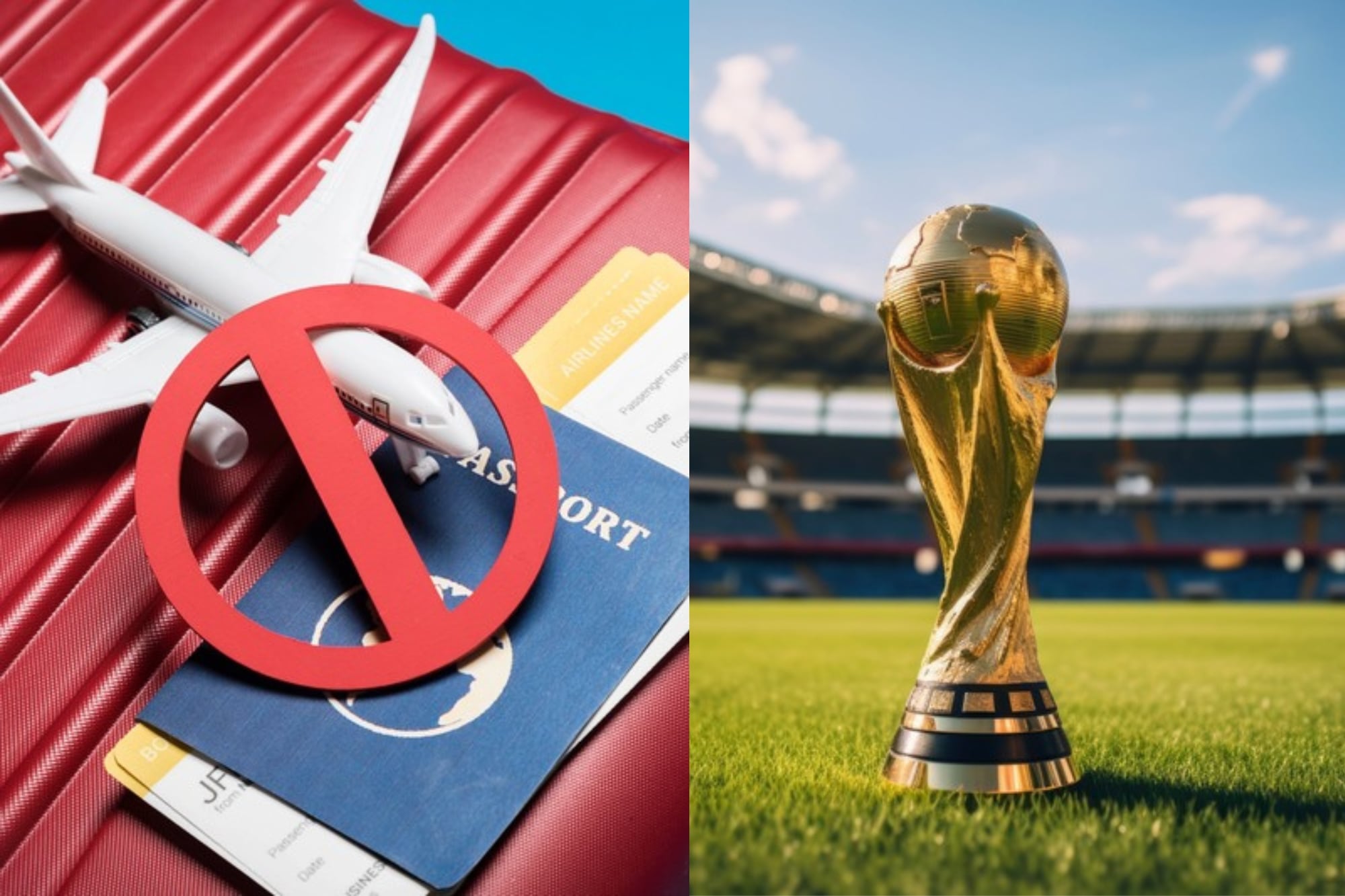
Passport Problems: The Rule That Could Bar Fans from the 2026 World Cup from Entering the U.S.
Translated from Spanish, summarized and contextualized by DistantNews.
TLDR
- The 2026 World Cup in the US faces potential entry restrictions for fans from certain countries due to Trump-era presidential proclamations.
- Haiti faces a total entry suspension, while Senegal and Ivory Coast have partial restrictions affecting various visa types, including tourism and study.
- Even with exceptions, additional requirements like passports valid for six months beyond the stay are mandated, and final entry is at the discretion of immigration officers.
La Nación reports on a significant issue that could impact the 2026 World Cup hosted in the United States: potential entry restrictions for fans from several nations. The article details how presidential proclamations from the Donald Trump administration continue to affect travel, specifically mentioning Haiti's complete suspension and partial restrictions for Senegal and Ivory Coast. This situation raises concerns about the ability of fans from these countries to attend matches, potentially diminishing the global atmosphere of the tournament. From our perspective in Argentina, where football is a unifying passion, the idea that fans might be barred from attending due to complex visa regulations or political decrees is disheartening. The article highlights that these restrictions apply to various visa types, including tourist visas, which are crucial for attending an event like the World Cup. This underscores a disconnect between the celebratory spirit of a global sporting event and the stringent realities of international travel policies.
The piece meticulously outlines the exceptions and additional requirements, such as the six-month passport validity rule, emphasizing that even meeting these criteria does not guarantee entry. The final decision rests with immigration officers at the port of entry. This level of uncertainty and bureaucratic hurdles is a stark contrast to the open and inclusive spirit that sporting events like the World Cup aim to foster. It raises questions about the welcoming nature of the host country and the potential for these policies to create barriers rather than bridges.
While Western media might focus on the logistical challenges for organizers, La Nación emphasizes the human element – the fans who dream of witnessing their teams compete on the world stage. The potential for limited support in the stands for Senegal and Ivory Coast, as noted by Associated Press, is a somber prospect. This situation serves as a reminder that geopolitical decisions and administrative policies can have profound, often negative, impacts on cultural events that are meant to bring people together. It's a complex issue that highlights the intersection of politics, immigration, and international sports, viewed through the lens of how it affects the global football community.
DistantNews Editorial
Originally published by La Nación in Spanish. Translated, summarized, and contextualized by our editorial team with added local perspective. Read our editorial standards.
More Stories



From Our Blog

What Gets Lost (and Found) When News Is Translated

The Critical Role of Diaspora Media in Global News

What Travellers Should Know About Countries with Restricted Press

A Digital Nomad's Guide to Following Local News

How the Same Story Looks Different in Different Countries
