

Penang Port Enhances Ship Waste Management with New SOPs
Translated from Malay, summarized and contextualized by DistantNews.
At a glance
News
Sources not specified
Context piece
- Penang Port Commission introduces new Standard Operating Procedures (SOP) for managing ship waste.
- The SOP aims to standardize, secure, and ensure compliance with waste management laws, supporting the Green Port Policy.
- Licensed waste management companies must obtain approval from relevant agencies before operating in the port area.
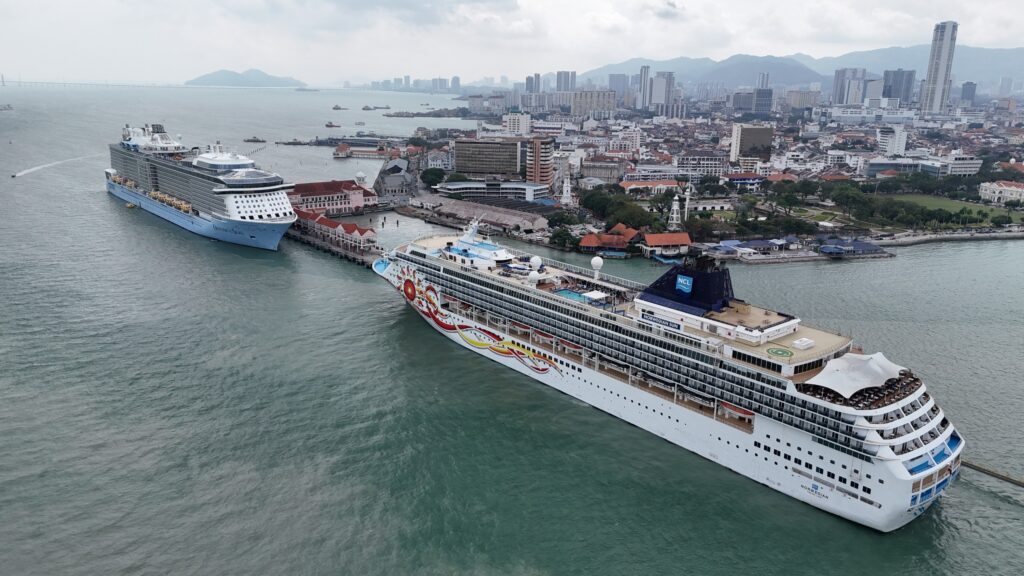
Penang Port Commission is implementing new Standard Operating Procedures (SOP) to enhance ship waste management across all its terminals. This initiative is a key step in strengthening the Green Port Policy and accelerating the transition to low-carbon port operations.
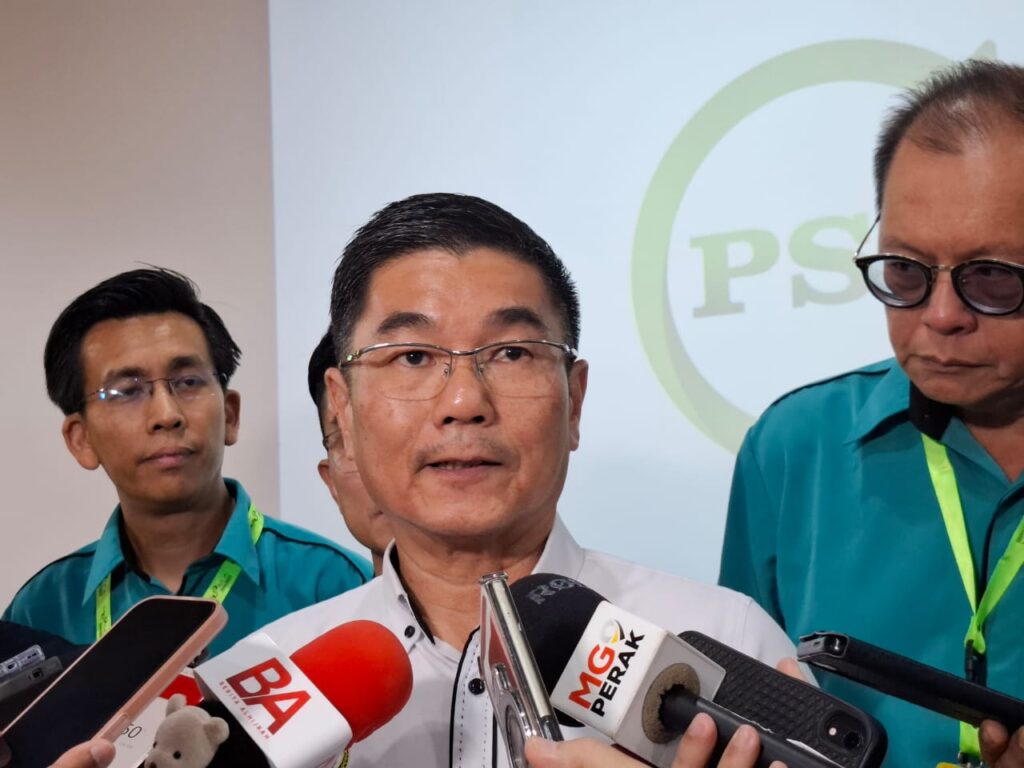
Datuk Yeoh Soon Hin, chairman of the Penang Port Commission (SPPP), stated that the new SOPs are designed to ensure uniform, safe, and legally compliant handling of ship waste. He anticipates that this will streamline waste management operations within the port and improve compliance among operating companies and stakeholders.
"Organized waste management is crucial for ensuring smooth port activities without harming the environment and while adhering to established standards," Yeoh explained at a press conference. He emphasized that all waste management companies seeking to operate within the port must possess a valid license issued by the SPPP and secure approvals from agencies like the Department of Environment (JAS), National Water Services Commission (SPAN), Royal Malaysian Customs Department (JKDM), and local authorities.
Organized waste management is crucial for ensuring smooth port activities without harming the environment and while adhering to established standards.
The SOP categorizes ship waste into three types: scheduled waste (Category A), domestic waste including dunnage (Category B), and sewage waste (Category C). Licensed operators are responsible for systematically and safely handling waste according to set conditions. They must also verify waste quantities with the ship before disposal and submit declaration documents to the port and relevant agencies post-operation.
Yeoh added that these measures align with the Green Port aspiration, aiming to bolster waste disposal controls, reduce marine pollution risks, and promote recycling and responsible disposal practices. The licensing, quantity verification, and post-operation reporting requirements are expected to strengthen pollution prevention mechanisms, making Penang Port more sustainable and environmentally friendly.
The licensing, quantity verification, and post-operation reporting requirements will strengthen pollution prevention mechanisms, making Penang Port more sustainable and environmentally friendly.
DistantNews Editorial
Originally published by Utusan Malaysia in Malay. Translated, summarized, and contextualized by our editorial team with added local perspective. Read our editorial standards.
More Stories

From Our Blog

What Gets Lost (and Found) When News Is Translated

The Critical Role of Diaspora Media in Global News

What Travellers Should Know About Countries with Restricted Press

A Digital Nomad's Guide to Following Local News

How the Same Story Looks Different in Different Countries
