

Pension fund defense investment plan sparks controversy
Translated from Romanian, summarized and contextualized by DistantNews.
At a glance
News
Sources not specified
Context piece
- A Romanian parliamentary project proposes allowing private pension funds to invest in defense industry companies, sparking controversy.
- The bill includes a provision that could limit the Financial Supervisory Authority's (ASF) ability to impose general sector-wide bans on investments.
- Critics, including a former ASF director, argue this change could open the door to investments in controversial sectors like alcohol, tobacco, and gambling, beyond just defense.
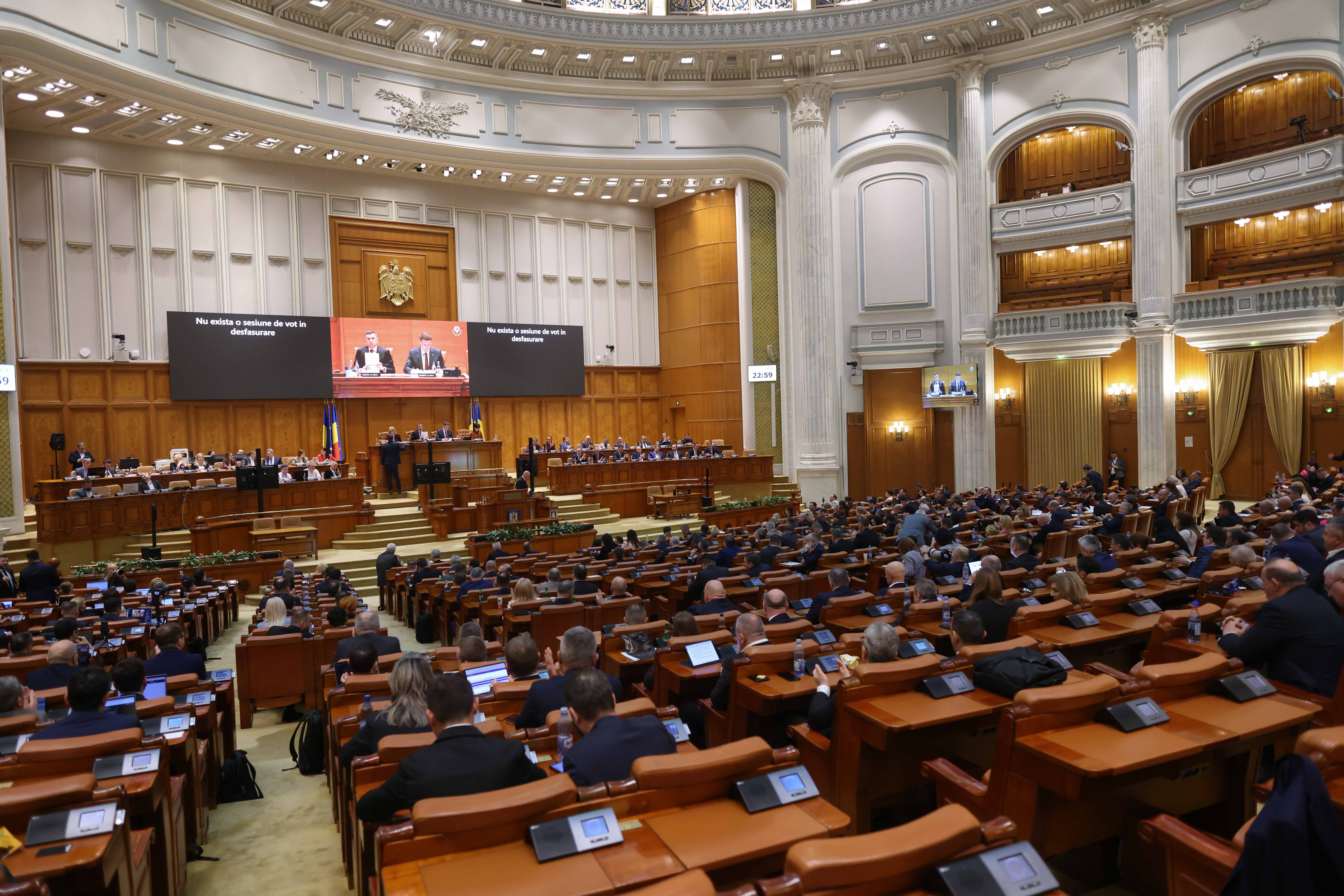
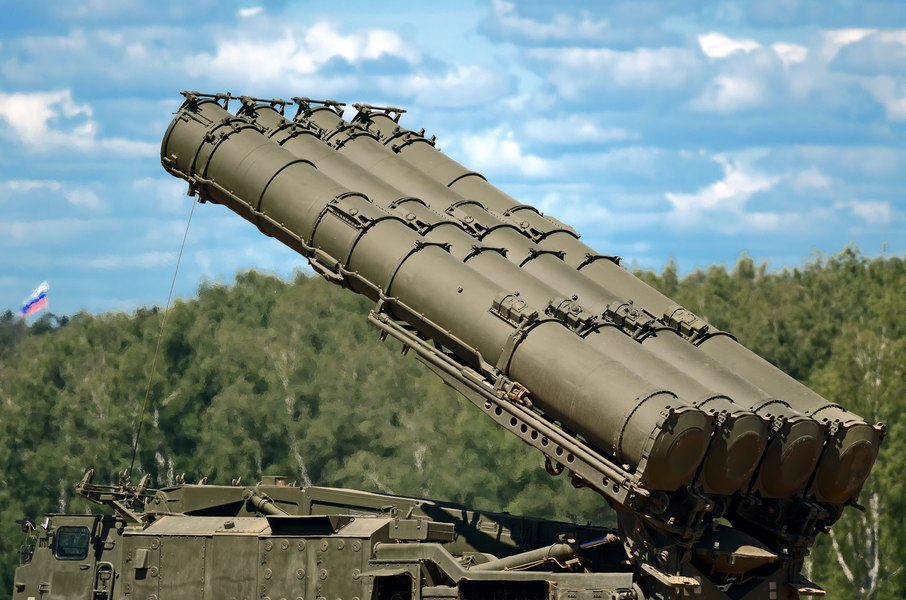
A legislative proposal currently under debate in the Romanian Parliament has ignited significant controversy by suggesting that private pension funds be permitted to invest in companies within the defense industry. The bill, however, contains a provision that critics fear could substantially curtail the powers of the Financial Supervisory Authority (ASF), specifically its capacity to implement general, sector-wide investment prohibitions based on an issuer's field of activity.
George Moț, founder of platform desprepensiiprivate.ro and a former director overseeing the private pension system at ASF, has labeled the proposed change a "true Trojan horse." He argues that the amendment's implications extend far beyond the defense sector. Moț contends that if passed, it would compel the ASF to lift not only existing restrictions on investments in arms manufacturers but also those currently in place for companies involved in alcohol, tobacco, and gambling.
It is a true Trojan horse.
The initiative, supported by 123 parliamentarians from various parties including PSD, PNL, USR, and AUR, aims to amend Law no. 411/2004 on privately managed pension funds. The proposed changes would introduce new clauses allowing pension fund administrators to invest in securities issued by companies in defense, security, and conventional arms manufacturing, including dual-use activities, provided prudential rules are followed. It also prohibits investments in companies producing weapons banned by international treaties, such as anti-personnel mines or cluster munitions.
However, the most contentious aspect lies in the amendment to Article 28. This change stipulates that ASF regulations would no longer be able to establish general sectorial prohibitions for investments expressly permitted by law, except for those explicitly mentioned in the normative act itself. Should the bill be adopted, the ASF would have a 90-day period to revise its secondary regulations. The proponents of the bill cite the National Defense Strategy 2025-2030, which designates the economy as a component of national security, and the European SAFE program for financing the European defense industry, as justifications for their proposal. They also suggest using CAEN codes to differentiate between strictly military activities, dual-use operations, and related sectors like aerospace, maintenance, and cybersecurity.
The public debate has focused on the less important part of the project. The real stake lies in the modification that limits the ASF's ability to impose general sectorial prohibitions.
DistantNews Editorial
Originally published by Adevărul in Romanian. Translated, summarized, and contextualized by our editorial team with added local perspective. Read our editorial standards.
More Stories



From Our Blog

What Gets Lost (and Found) When News Is Translated

The Critical Role of Diaspora Media in Global News

What Travellers Should Know About Countries with Restricted Press

A Digital Nomad's Guide to Following Local News

How the Same Story Looks Different in Different Countries
