

People Power Party: Lee's Refusal to Veto Criminal Procedure Law Revision is 'Completion of Self-Protection'
Translated from Korean, summarized and contextualized by DistantNews.
At a glance
News
Named sources
Approved/passed
- South Korea's ruling People Power Party criticized President Lee Jae-myung's decision not to veto a revised criminal procedure law.
- The party labeled the decision as the "completion of self-protection" and accused the president of abandoning his role in safeguarding public safety.
- They argued that Lee, who previously emphasized the need for supplementary investigation rights, contradicted his past statements by not exercising the veto.
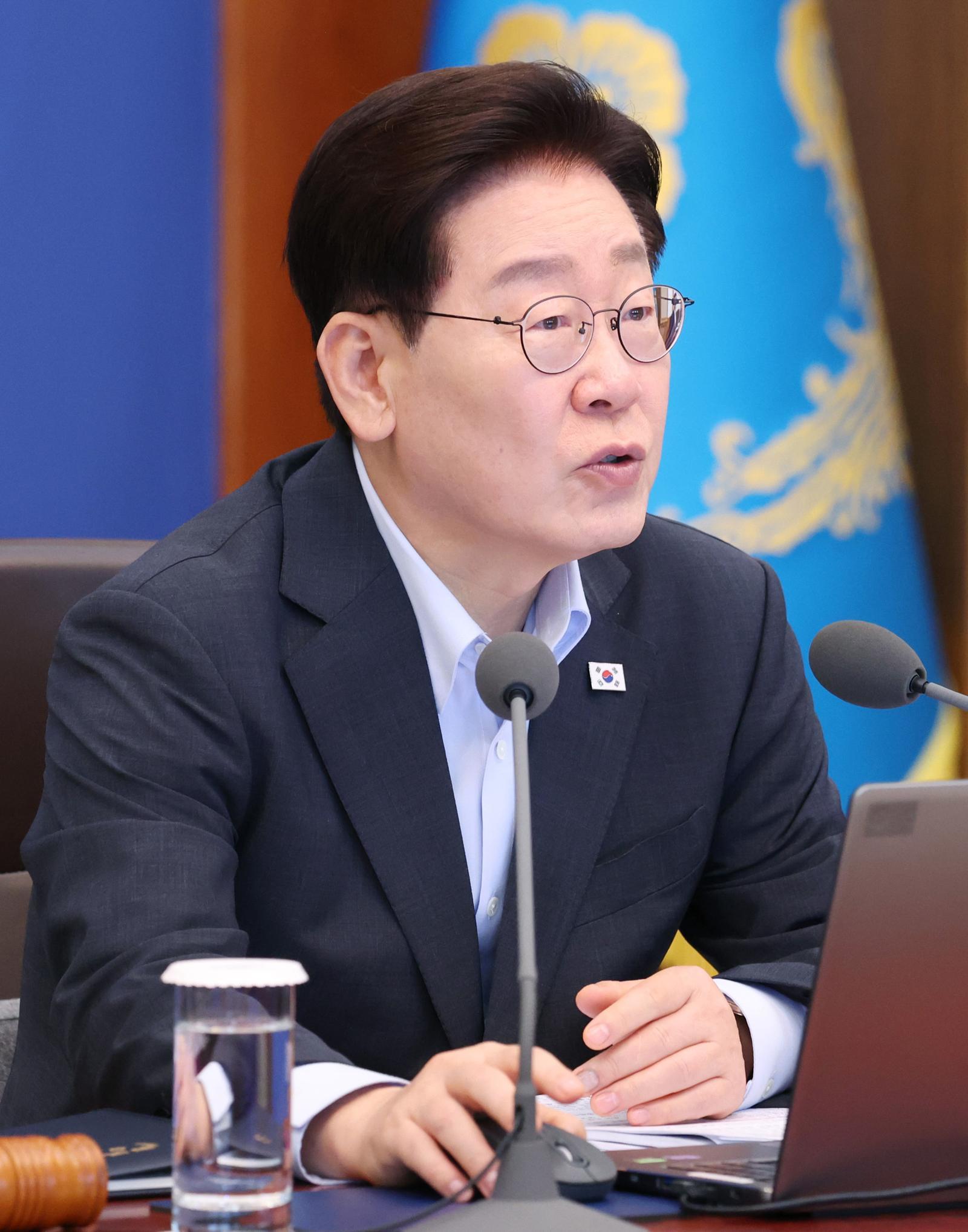
South Korea's ruling People Power Party fiercely criticized President Lee Jae-myung's decision not to exercise his veto power on a revised criminal procedure law. The party declared this move the "completion of self-protection" and accused the president of failing to uphold public safety by allowing a law that weakens prosecutorial powers to pass.
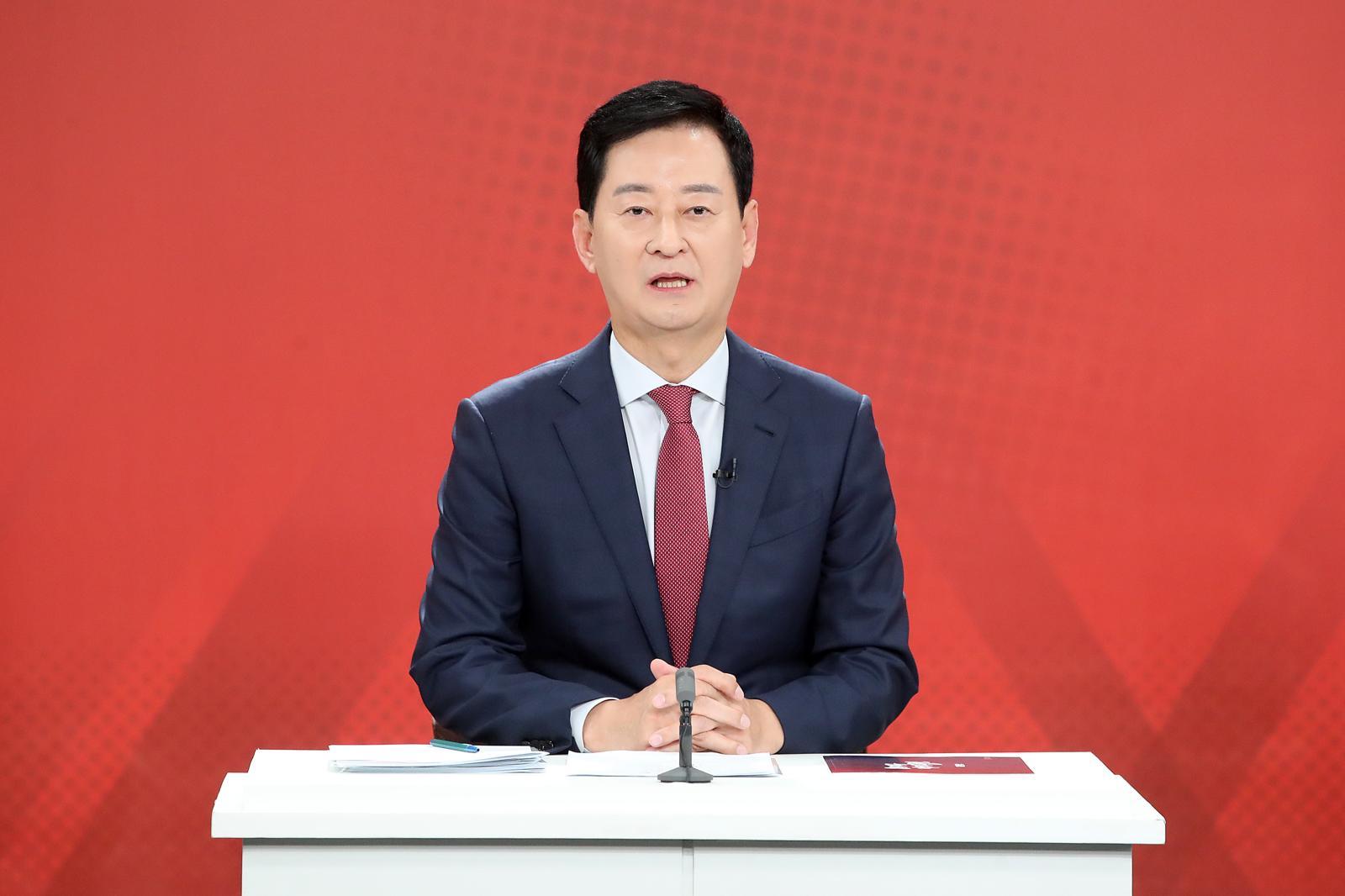
Choi Eun-seok, the People Power Party's deputy floor leader, issued a statement condemning the law, which passed the cabinet meeting. He asserted that President Lee's decision not to veto the bill, which he described as an "evil law" threatening public safety, was a significant misstep. The party highlighted President Lee's previous stance, where he had emphasized the necessity of supplementary investigation rights for prosecutors.
The veto refusal is the completion of self-protection.
The party's criticism centered on President Lee's stated conclusion that the bill, which abolishes supplementary investigation rights, was not a grave enough issue to warrant a veto. They pointed out that Lee himself had previously stressed the importance of these rights. "Who was it that emphasized the necessity of exceptional supplementary investigation rights more than anyone else? It was President Lee Jae-myung himself," Choi stated, questioning the president's change of position.
The revised law aims to strip prosecutors of their investigative powers, a move the opposition party argues will hinder justice and protect individuals from accountability. The People Power Party maintains that President Lee's decision not to veto the bill contradicts his earlier positions and serves his own political interests rather than the public good.
Who was it that emphasized the necessity of exceptional supplementary investigation rights more than anyone else? It was President Lee Jae-myung himself. If his remarks were sincere, he should have exercised the veto today. However, he made the opposite choice.
DistantNews Editorial
Originally published by Dong-A Ilbo in Korean. Translated, summarized, and contextualized by our editorial team with added local perspective. Read our editorial standards.
More Stories


From Our Blog

What Gets Lost (and Found) When News Is Translated

The Critical Role of Diaspora Media in Global News

What Travellers Should Know About Countries with Restricted Press

A Digital Nomad's Guide to Following Local News

How the Same Story Looks Different in Different Countries
