


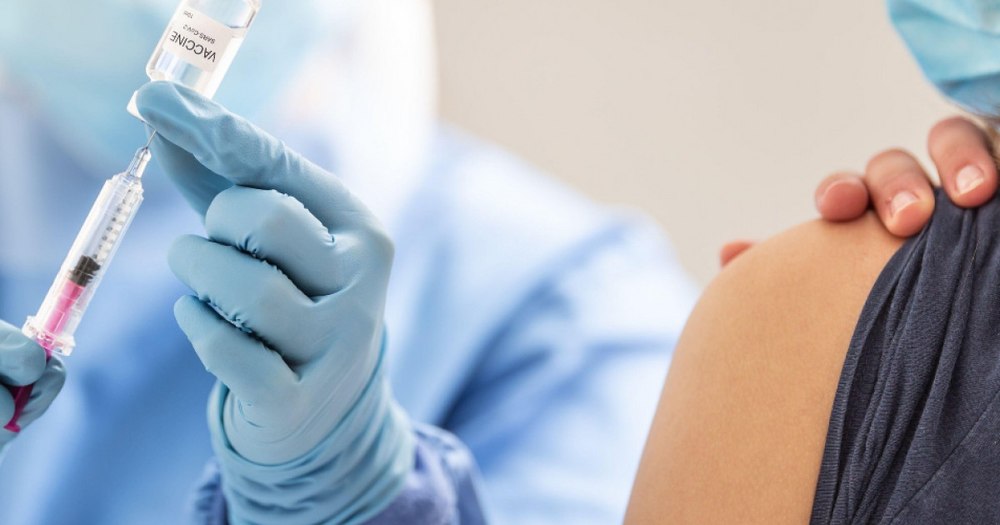
Personalized Melanoma Vaccine Shows Promise in Clinical Trials
Translated from Romanian, summarized and contextualized by DistantNews.
At a glance
News
Sources not specified
Context piece
- A personalized melanoma vaccine, intismeran, developed by Moderna and Merck, is administered in up to nine doses combined with Keytruda after surgical tumor removal.
- In a Phase 3 clinical trial, this combination reduced the risk of melanoma recurrence or spread compared to Keytruda alone.
- The vaccine is tailored to each patient's tumor genetic characteristics, identifying neoantigens for the immune system to target.
A personalized melanoma vaccine, intismeran, developed by Moderna and Merck, is showing promising results in clinical trials. The treatment involves up to nine doses of the vaccine, administered every three weeks, following surgical removal of the tumor. It is used in combination with Keytruda, an immunotherapy drug, for approximately one year.
A Phase 3 clinical study involving 1,137 patients with stage IIB-IV melanoma found that the combination therapy reduced the risk of the cancer returning or spreading compared to patients receiving Keytruda alone. Researchers are continuing to monitor the long-term benefits of this treatment.
Melanoma, the most aggressive form of skin cancer, causes about 2,600 deaths annually in the UK. For the most severe cases, survival rates are low, with roughly one-third of patients living at least five years post-diagnosis.
The intismeran vaccine is not a one-size-fits-all treatment. It is designed based on the unique genetic makeup of each patient's tumor. After tumor removal, a sample is analyzed to identify specific mutations in cancer cells that produce neoantigens. These are specific elements that the immune system can recognize. Messenger RNA (mRNA) technology is then used to create a personalized vaccine that can include information for up to 34 neoantigens.
The vaccine's goal is to enhance the immune system's ability to detect cancer cells displaying these patient-specific tumor characteristics. Once administered, the body's cells use the mRNA instructions to temporarily produce proteins corresponding to the selected neoantigens, thereby alerting the immune system.
DistantNews Editorial
Originally published by Adevărul in Romanian. Translated, summarized, and contextualized by our editorial team with added local perspective. Read our editorial standards.
More Stories


From Our Blog

What Gets Lost (and Found) When News Is Translated

The Critical Role of Diaspora Media in Global News

What Travellers Should Know About Countries with Restricted Press

A Digital Nomad's Guide to Following Local News

How the Same Story Looks Different in Different Countries
